

Plitvice Lakes
Plitvice Lakes National Park, a UNESCO World Heritage Site since 1979, is one of Croatia’s most captivating natural wonders. Located in the heart of the country, this mesmerizing park is renowned for its cascading lakes, lush greenery, and a network of waterfalls that create an enchanting landscape. The park’s 16 terraced lakes, connected by a series of waterfalls, range in color from emerald green to sapphire blue due to the unique mineral content and the reflection of sunlight. Visitors can ex
Chuuk
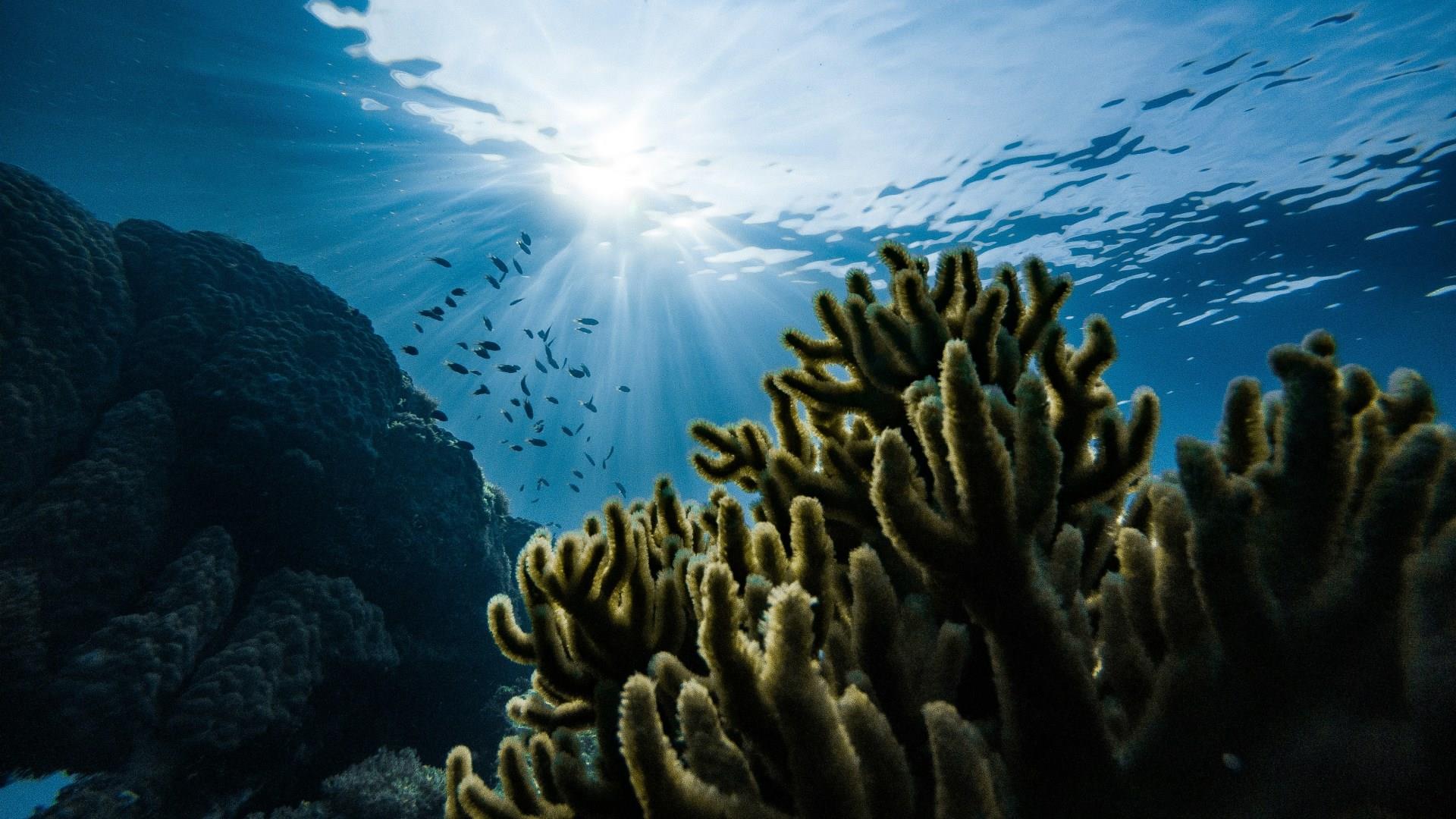
Chuuk, one of the four states of the Federated States of Micronesia, is best known for its vast lagoon which is one of the largest enclosed lagoons in the world. But what sets Chuuk apart is what lies beneath those calm blue waters: an entire underwater fleet of sunken warships, aircraft, and submarines left from World War II. Often called the "Ghost Fleet of Truk Lagoon," these wrecks make Chuuk a global destination for experienced divers.

Dominica
Dominica, known as the “Nature Island of the Caribbean,” is a haven for eco-tourists and adventure seekers. Nestled between the French islands of Guadeloupe and Martinique, this lush island boasts a remarkable landscape of volcanic mountains, dense rainforests, and stunning waterfalls. Dominica’s most iconic natural wonder is the Boiling Lake, the second-largest hot spring in the world.

Rousse
Rousse, Bulgaria, often referred to as "Little Vienna," sits gracefully on the banks of the Danube River. Known for its rich history, stunning architecture, and vibrant culture, Rousse offers a glimpse into Bulgaria's past while embracing the future. The city's central square, Svoboda (Freedom) Square, is a great starting point for exploring.

Castries
Castries, St. Lucia's capital and a busy port city, is an idyllic Caribbean wonderland. Tourists will find craft and fruit markets, photo-ready murals and a general cozy charm here. One must-do activity is getting to the top Morne Fortune (Hill of Good Luck) to drink in the lovely panoramic views. Be sure to visit the museum at Derek Walcott Square, and soak up the sun on Vigie Beach!
