
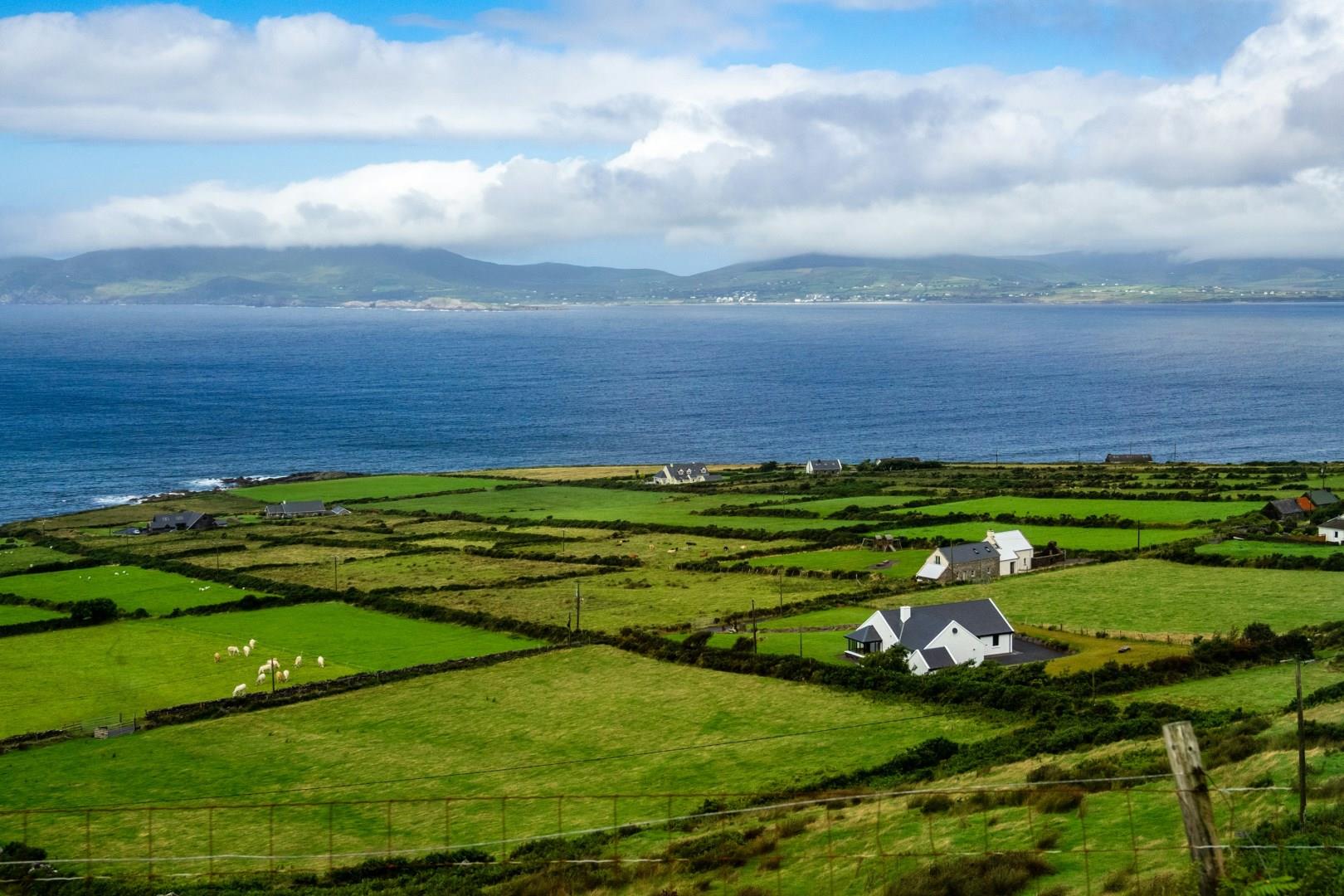
Ring of Kerry
The Ring of Kerry, a 179-kilometer circular route in County Kerry, Ireland, offers travelers a journey through rugged coastal cliffs, remote villages, and winding mountain roads. Starting from Killarney, the route moves clockwise through towns like Kenmare, Waterville, Cahersiveen, and Glenbeigh, each offering its own slice of Irish life. Though often explored by car or tour bus, cycling the route is growing in popularity, especially during spring and early autumn when traffic is lighter.

British Columbia
The capital of British Columbia is Victoria, and the total area equals 366,253 square miles. This province has a truly diverse climate: everything from majestic mountains to sparse deserts to rugged coastlines can be found here.

Pennsylvania
Pennsylvania offers more than just a glimpse into American history, it invites travelers to walk through it. In Philadelphia, the Liberty Bell still draws visitors from around the world, while Independence Hall, a UNESCO World Heritage Site, is where both the Declaration of Independence and the U.S. Constitution were debated and signed. Just a short walk away, modern museums like the National Constitution Center offer hands-on exhibits that connect the past to today’s civic questions.

Whitehorse
Whitehorse, the capital of Canada’s Yukon Territory, sits along the Yukon River and serves as the cultural, economic, and transportation heart of the North. Its history is closely tied to the Klondike Gold Rush of the late 1890s, when prospectors passed through the area on their way to Dawson City.
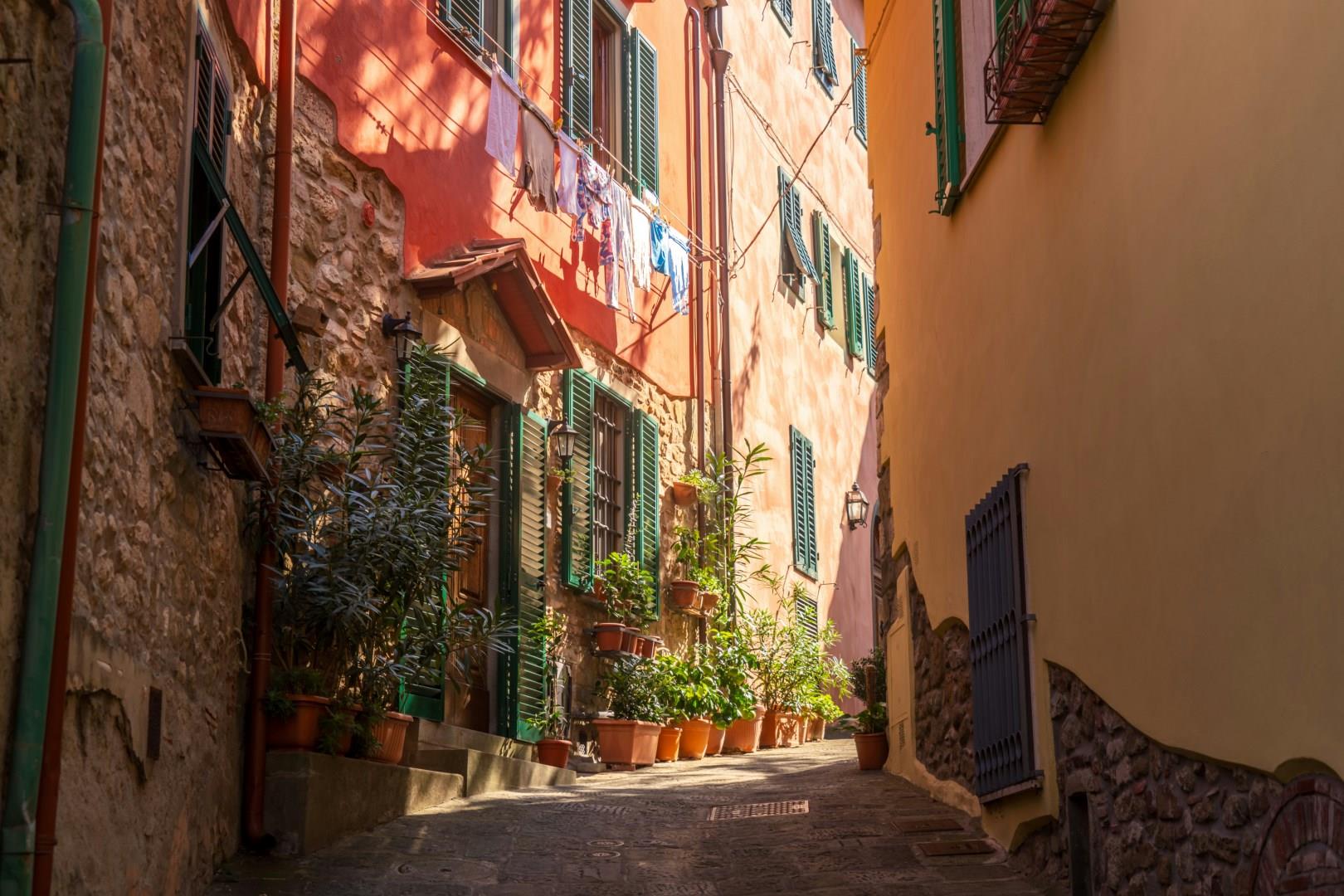
Montecatini
Montecatini Terme, in Tuscany’s Valdinievole region, is one of Italy’s most renowned spa towns, celebrated for its thermal waters and elegant Belle Époque charm.
