
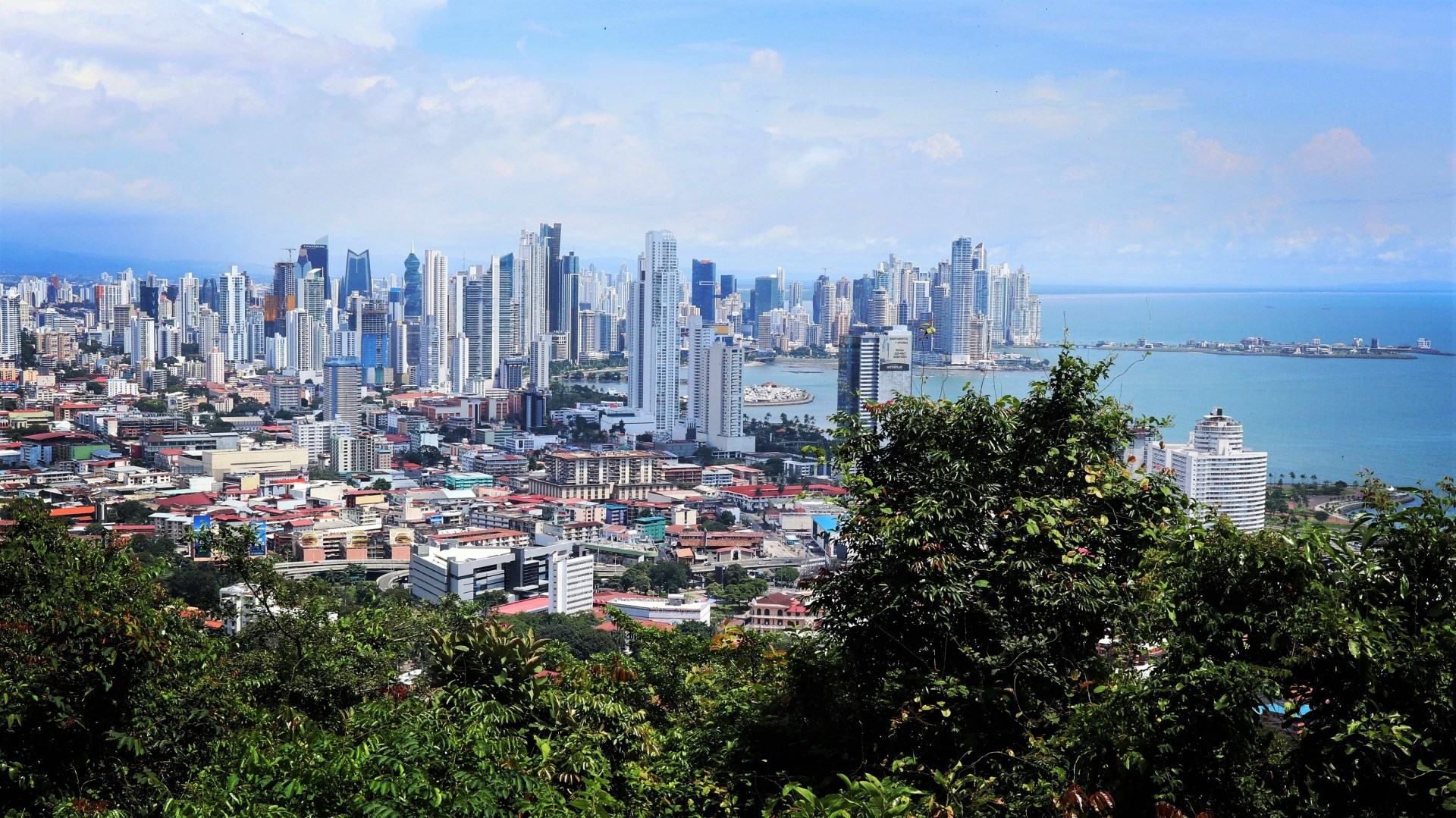
Fuerte Amador
Fuerte Amador is a waterfront district located at the Pacific entrance of the Panama Canal in Panama City. Built on a causeway created with rock excavated during canal construction, the area links four small islands: Naos, Perico, Culebra, and Flamenco.

Riomaggiore
Riomaggiore, a charming village in Italy's famed Cinque Terre, is a gem of the Ligurian coast. With its colorful houses cascading down steep cliffs towards the azure Mediterranean, this picturesque town offers a postcard-perfect escape. Founded in the 13th century, Riomaggiore is rich in history, with medieval churches like the Church of San Giovanni Battista, built in 1340, reflecting its ancient past.
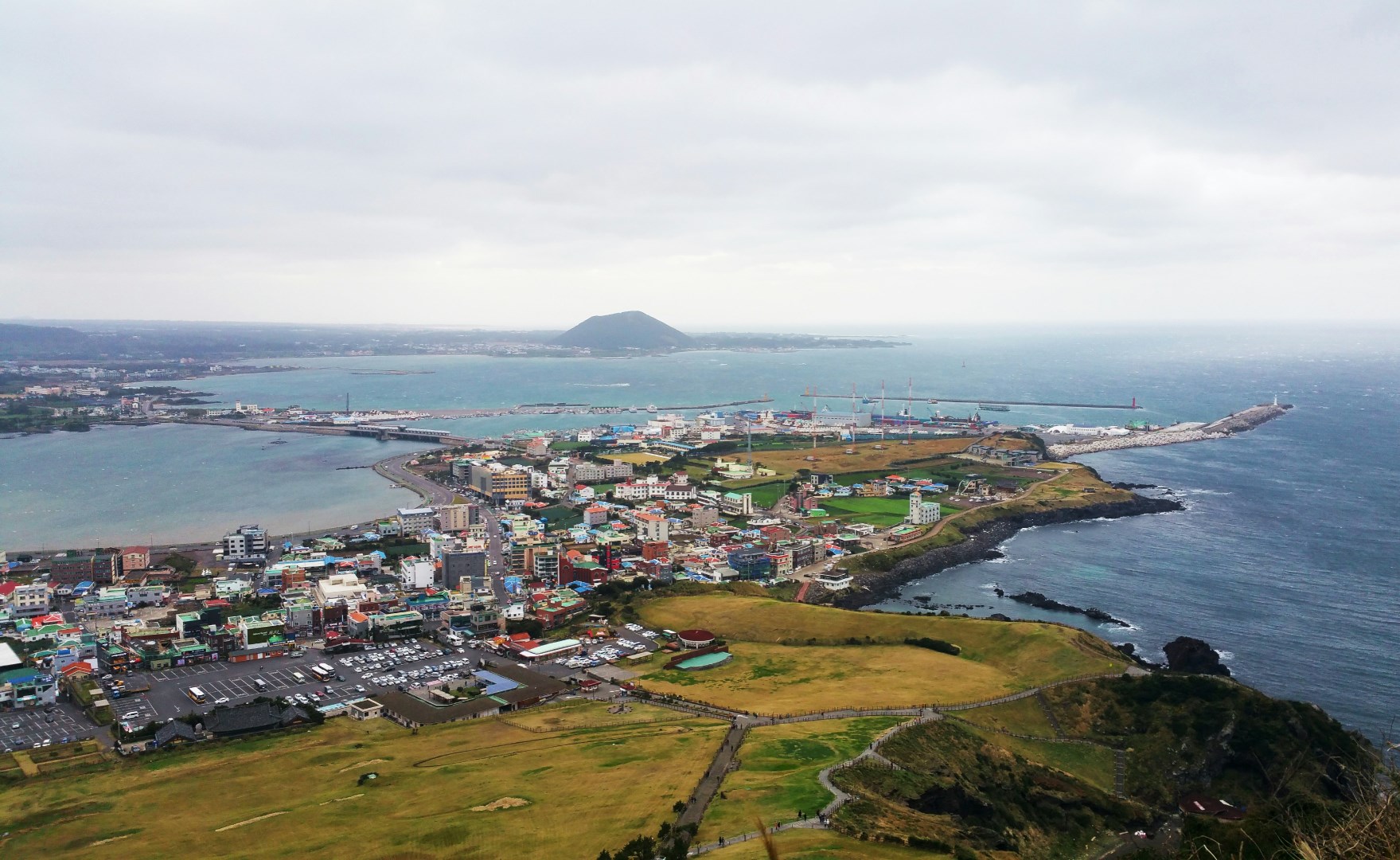
Cheju
Jeju, often written as Cheju in older English sources, is South Korea’s largest island and lies in the Korea Strait south of the Korean Peninsula. The island is known for its volcanic landscapes, coastal cliffs, lava tubes, and the prominent peak of Hallasan, which rises at its center.

Tortola Island
Tortola, the largest island in the British Virgin Islands, beckons travelers with its idyllic beaches and vibrant culture. Known for its stunning natural beauty, Tortola offers crystal-clear waters, lush landscapes, and a range of outdoor activities. Cane Garden Bay, one of the island’s most famous beaches, is renowned for its powdery white sand and turquoise waters.
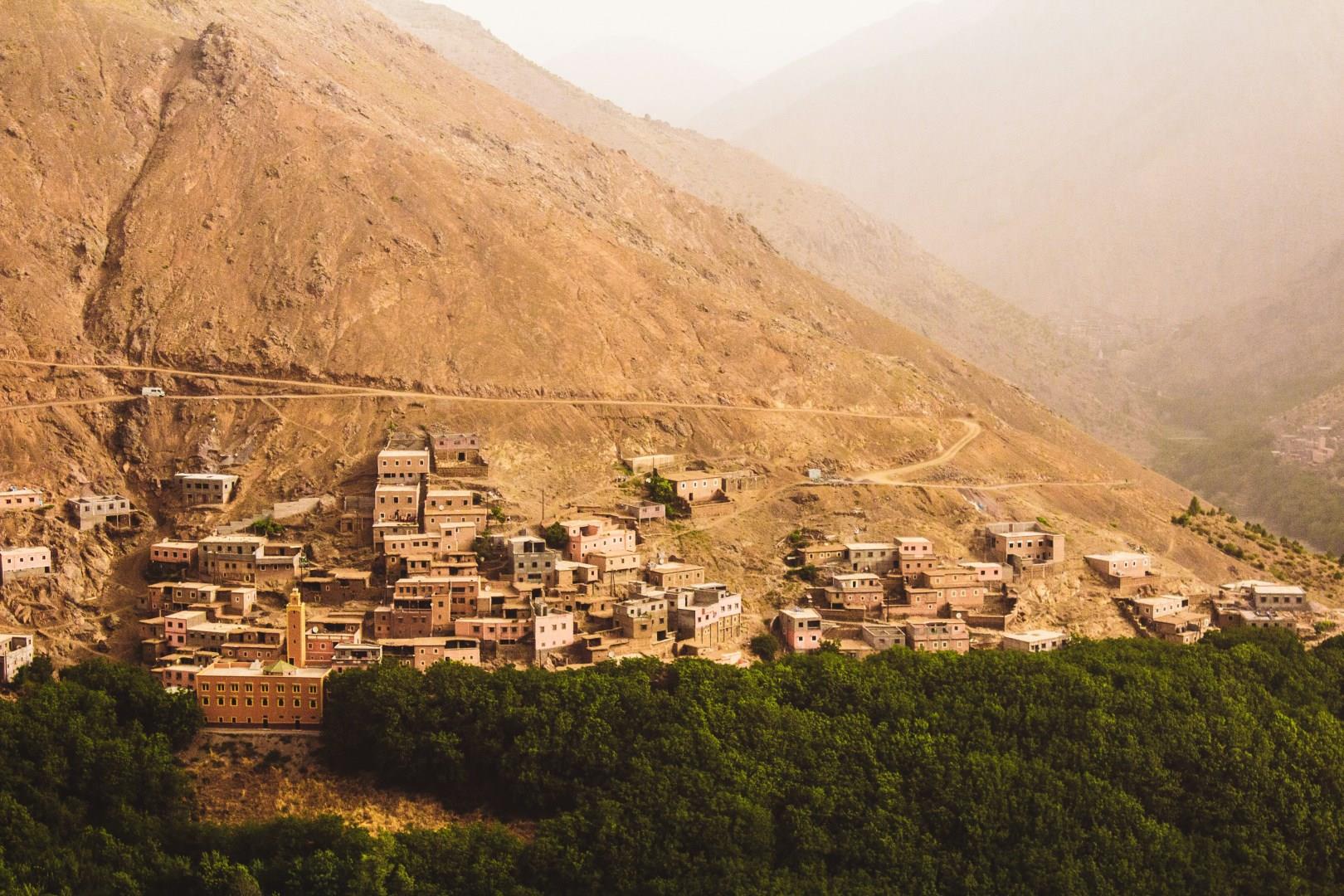
Imlil
Imlil is a small Berber village nestled in the High Atlas Mountains of Morocco, serving as a gateway to the Toubkal National Park. Its history is tied to mountain agriculture and traditional life, with stone houses and terraced fields reflecting centuries of adaptation to the rugged terrain.
