

Colima
Visitors to the state of Colima will experience mountains, volcanoes, rivers and alluring beaches. Jalisco sits to the north, and to the south lies Michoacán.

Patmos
Patmos, a gem in the Aegean Sea, is steeped in history and spirituality, offering a serene escape for travelers seeking both tranquility and rich cultural experiences. Known as the "Island of the Apocalypse," Patmos is famously where Saint John the Theologian wrote the Book of Revelation. Visitors can explore the sacred Cave of the Apocalypse, a UNESCO World Heritage Site, where the saint is said to have received his visions.

Lahaina, Maui
Listed on the National Register of Historic Places, Lahaina, Maui is the former capital of the Hawaiian Kingdom and was once the site of a whaling village. This popular tourist destination is now a cultural center perfect for fine dining, visiting Hawaiian art galleries, whale watching, and immersing yourself in this region's rich history.
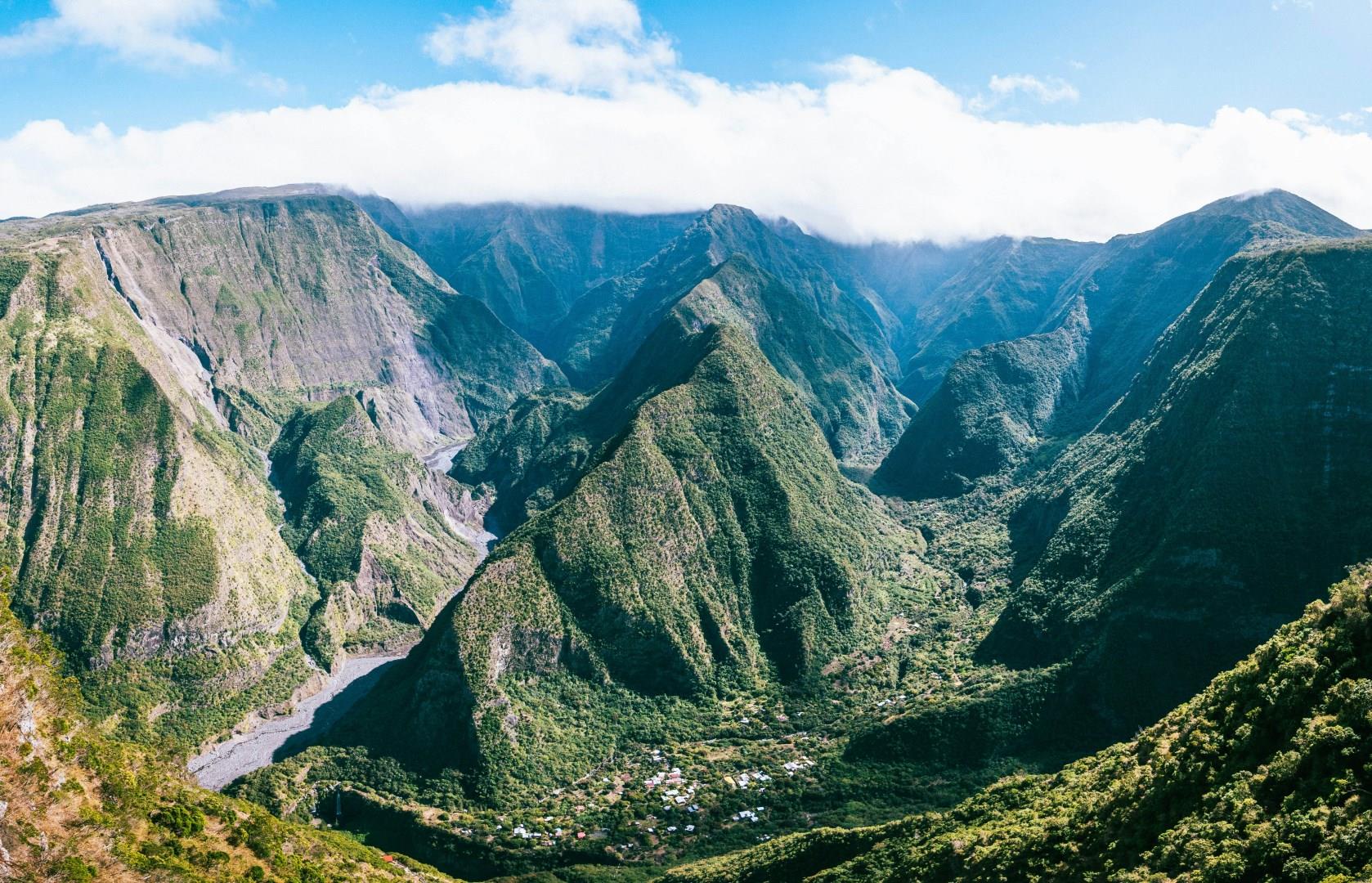
Réunion
Réunion, a French overseas department in the Indian Ocean, lies east of Madagascar and combines European and Creole influences in a tropical setting. Its volcanic landscapes, lush forests, and coastal towns make it an extraordinary destination for those seeking both culture and nature.

Türkiye
Turkey is a country that beautifully blends rich history, stunning landscapes, and vibrant culture, making it a must-visit destination for travelers. From the bustling streets of Istanbul, where East meets West, to the pristine beaches along the Mediterranean and Aegean coasts, Turkey offers something for everyone.
