

Sorrento
Nestled along the cliffs of the Gulf of Naples, Sorrento will charm you with its picturesque scenery and breathtaking coastal views. Three hours south of metropolitan Rome, Sorrento provides easy access to many of Italy’s most beloved destinations, including Naples, Pompeii, Amalfi, and Capri.

Ishigaki
Ishigaki, the vibrant hub of the Yaeyama Islands in Japan, is a tropical paradise renowned for its stunning natural beauty and unique cultural heritage. As the largest island in the Yaeyama group, Ishigaki is celebrated for its breathtaking beaches and crystal-clear waters, such as the pristine Kabira Bay, famous for its turquoise hues and coral reefs.
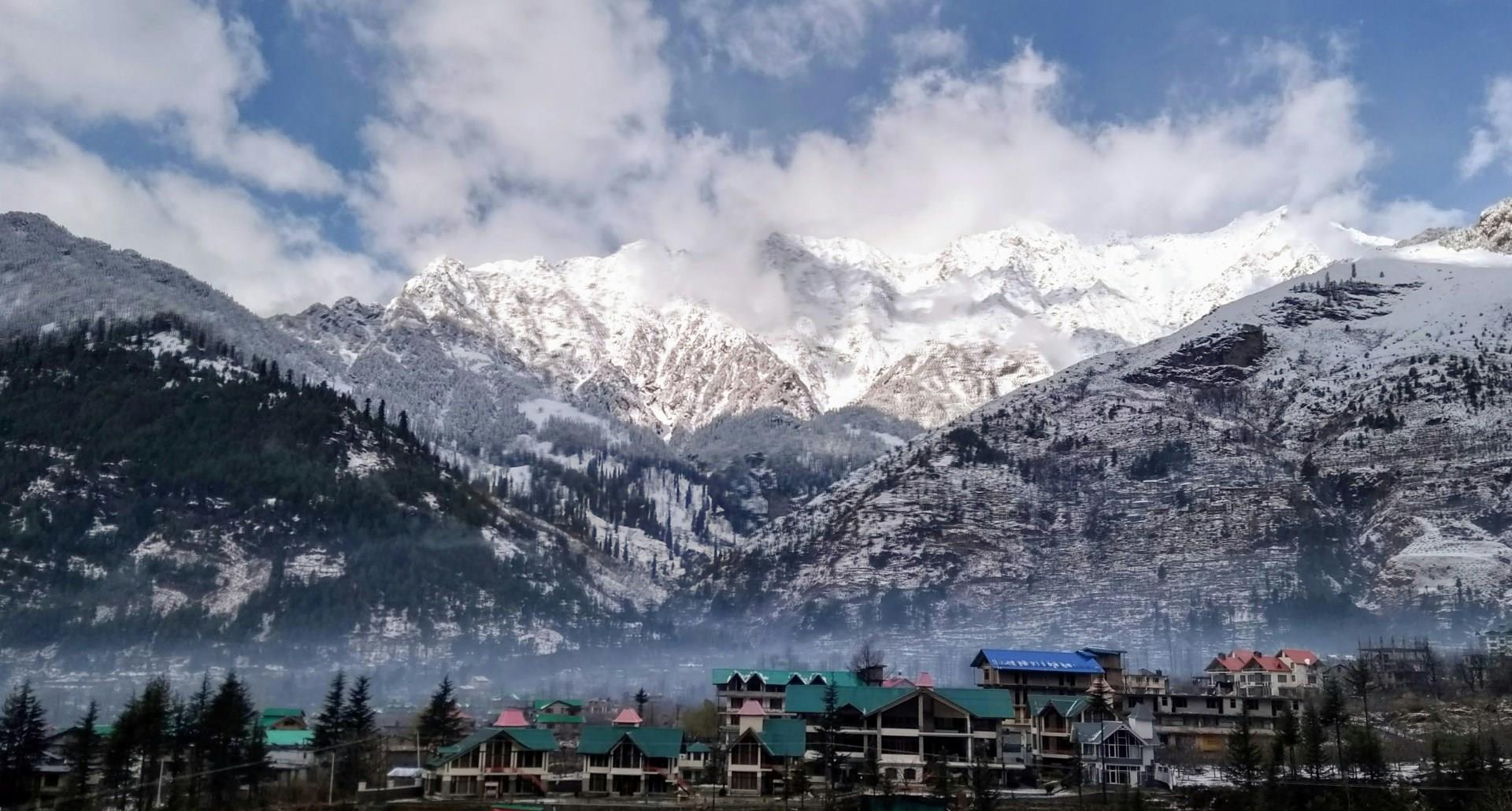
Manali
High in the Kullu Valley of Himachal Pradesh, Manali is where snow-dusted peaks, rushing rivers, and quiet cedar forests come together to create a destination full of experiences. The town sits beside the Beas River at nearly 2,000 meters above sea level, offering a refreshing escape from India’s plains. Legend says the name “Manali” comes from “Manu-Alaya,” meaning the home of sage Manu, who is believed to have repopulated the world after a great flood.

Limassol
Cut length wise by the Turkish/Greek border, the island of Cyprus leads two lives. The Turkish side is traditional and Islamic, while the Greek side is a very modern vacation destination.

Olomouc
Olomouc, a captivating city in the Czech Republic, offers a blend of historical charm and vibrant culture. The city’s centerpiece is the Holy Trinity Column, a UNESCO World Heritage Site and a stunning example of Baroque architecture. Erected in the 18th century to commemorate the end of the plague, this intricate monument features elaborate sculptures and exquisite details that make it a must-see source.
