

Livorno
Situated on the coast of Tuscany near the Tyrrhenian Sea, Livorno, Italy, is a popular stop on Mediterranean cruises and an important commercial and industrial port. It was founded on a former auxiliary Pisan port between the late 16th and early 17th centuries on the orders of the Grand Duke Cosimo I, who made it Tuscany's main outlet to the sea.

Olympic National Park
Olympic National Park occupies Washington State’s remote northwest corner, shaped by isolation and ecological range rather than a single defining feature.

Lesotho
Lesotho, known as the “Kingdom in the Sky,” is a landlocked nation entirely surrounded by South Africa, famed for its dramatic mountain landscapes and rich cultural traditions.

Buenos Aires
Buenos Aires, the vibrant political and cultural capital of Argentina, has become an enticing destination for many travelers and a must-see destination in South America. Founded in the sixteenth century by Spanish explorers, Buenos Aires has since developed its own unique flair.
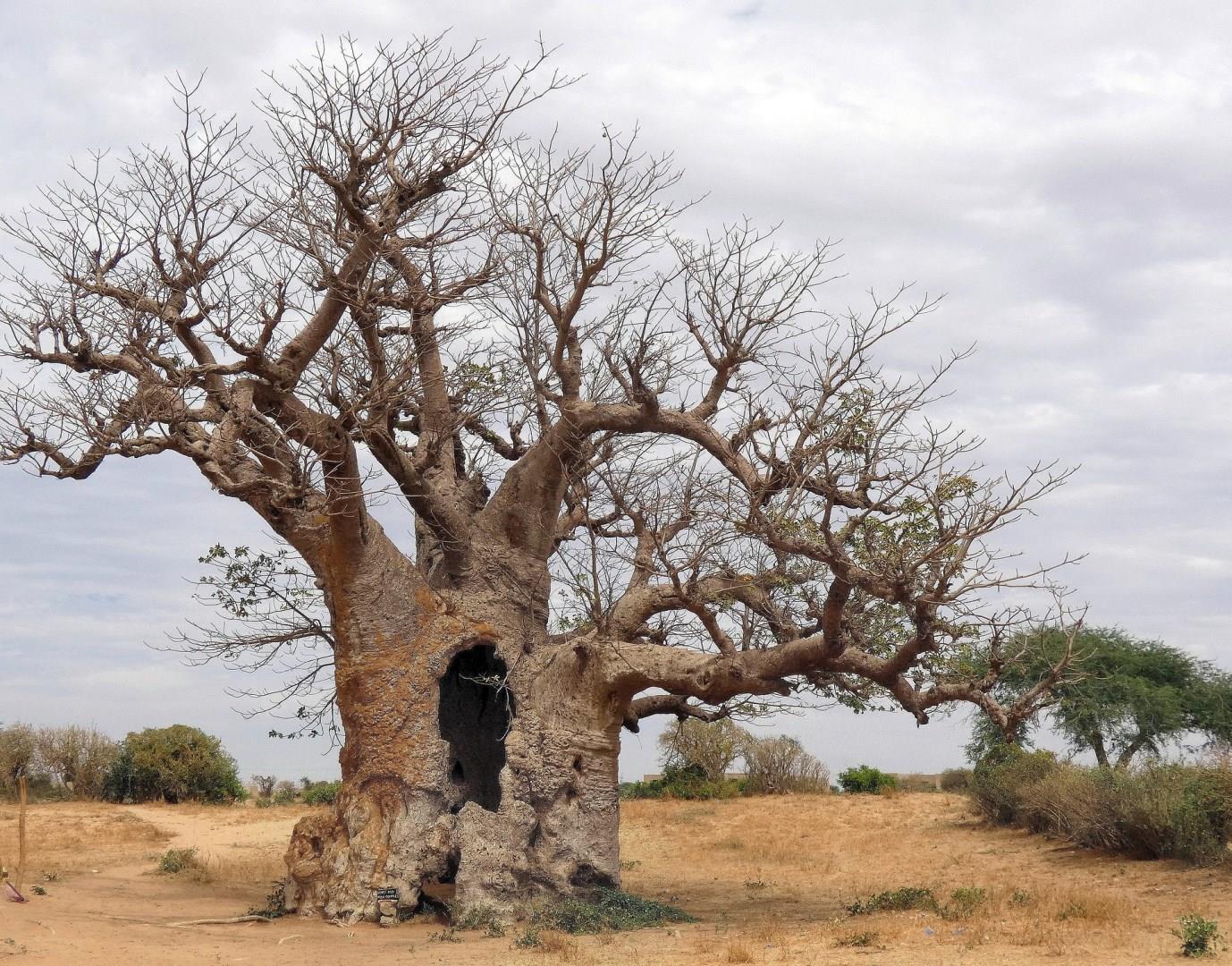
Senegal
Senegal, located on the westernmost tip of Africa, is a country where vibrant traditions meet striking natural beauty. Its capital, Dakar, sits on the Cape Verde Peninsula and is known for its bustling markets, lively music scene, and impressive art galleries.
