
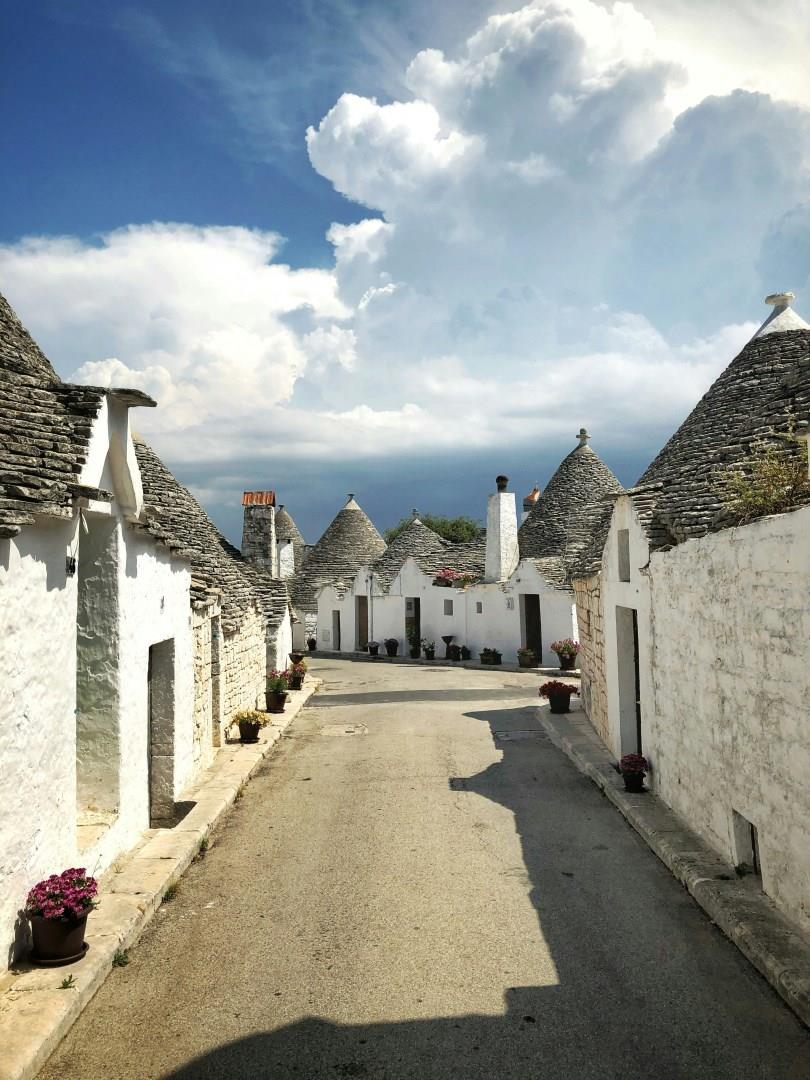
Alberobello
Alberobello in southern Italy’s Puglia region captures the imagination with its distinctive trulli houses. These structures were built using a dry-stone technique passed down over centuries, without mortar or cement, and their unique form comes from layer upon layer of limestone nestled from nearby fields. Alberobello’s trulli are so remarkable that in 1996 the historic center was inscribed as a UNESCO World Heritage Site, where more than 1,600 of these buildings still stand.
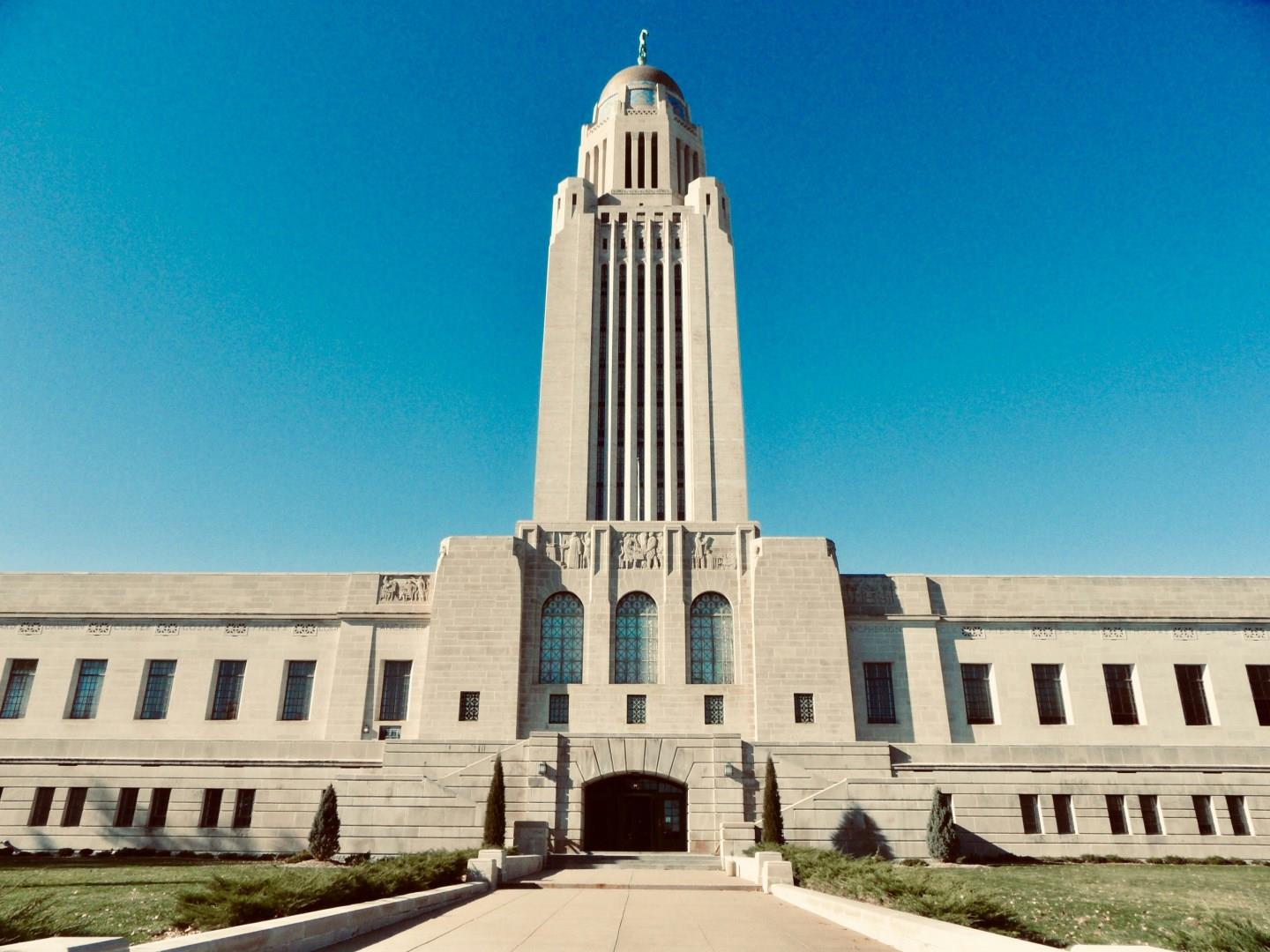
Lincoln
Lincoln, Nebraska, blends college-town spirit with prairie roots, offering a travel experience that’s both laid-back and surprising. As the state capital, Lincoln is home to the stunning Nebraska State Capitol building, an architectural landmark with a 400-foot tower topped by a bronze sower casting seeds over the land. Visitors can tour the building and ride to the 14th floor observation deck for sweeping views of the city and surrounding plains.

Huntington Beach
Huntington Beach, California, famously known as “Surf City USA,” is a paradise for beachgoers and surf enthusiasts alike. With over 10 miles of pristine coastline, the city offers a perfect blend of natural beauty and vibrant coastal culture. The Huntington Beach Pier, one of the longest on the West Coast, is an iconic spot for visitors to watch surfers ride the waves or catch a breathtaking sunset.
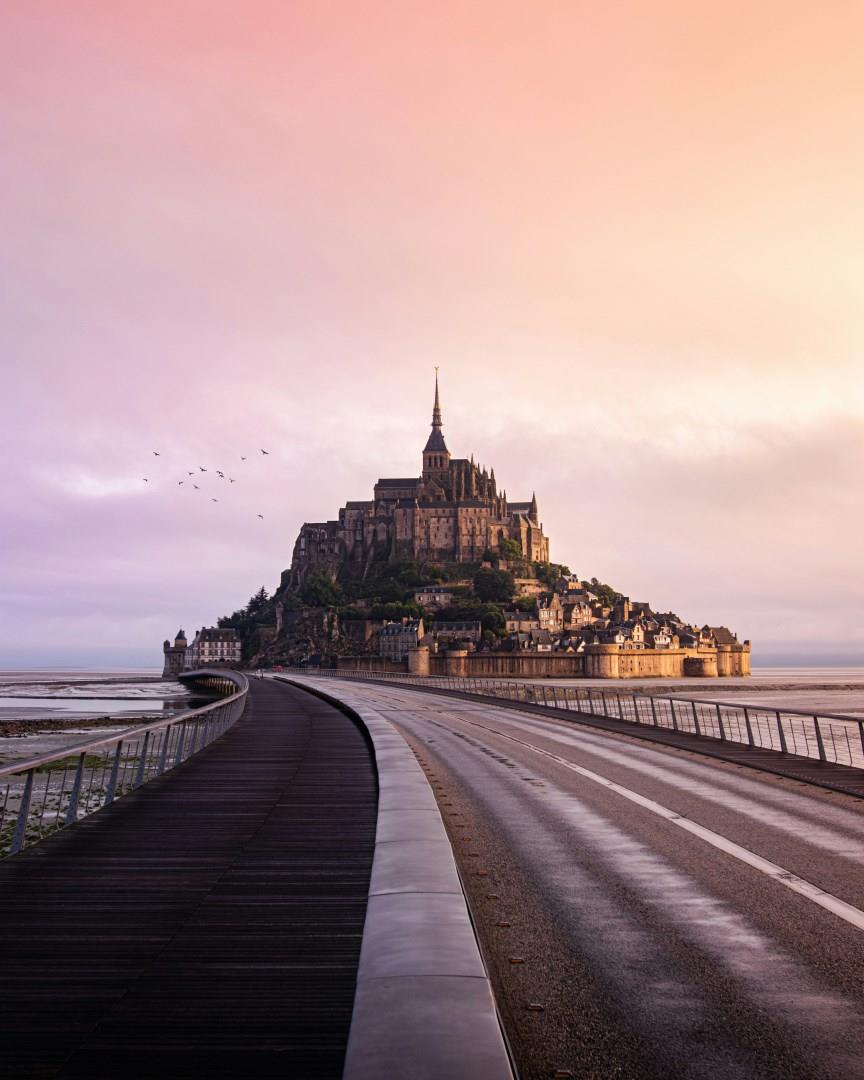
Mont St. Michel
Mont-Saint-Michel rises from tidal flats along the Normandy coast, its abbey and village shaped by centuries of pilgrimage, defense, and isolation.

Uganda
Uganda, often referred to as the "Pearl of Africa," is a country in East Africa that captivates visitors with its dramatic landscapes, diverse wildlife, and rich cultural heritage. From lush rainforests and snow-capped mountains to wide savannas and serene lakes, the country offers a striking variety of experiences within a relatively compact area.
