

Slovakia
Slovakia is a country shaped by mountains, castles, and centuries of shifting borders. Tucked in the heart of Europe, it offers visitors a chance to explore medieval towns, alpine peaks, and deep-rooted traditions still practiced in daily life. Bratislava, the capital, sits along the Danube River and is one of the few national capitals that borders Austria and Hungary.

San Gimignano
San Gimignano, a stunning medieval hilltop town in Tuscany, Italy, is often called the "Medieval Manhattan" due to its remarkable skyline of ancient towers. Encircled by 13th-century walls, the town is a UNESCO World Heritage site that offers a mesmerizing journey back in time. As you stroll along the cobbled streets of the historic center, you'll be enchanted by the preserved Romanesque and Gothic architecture, from charming piazzas to grand churches.
Lobuje
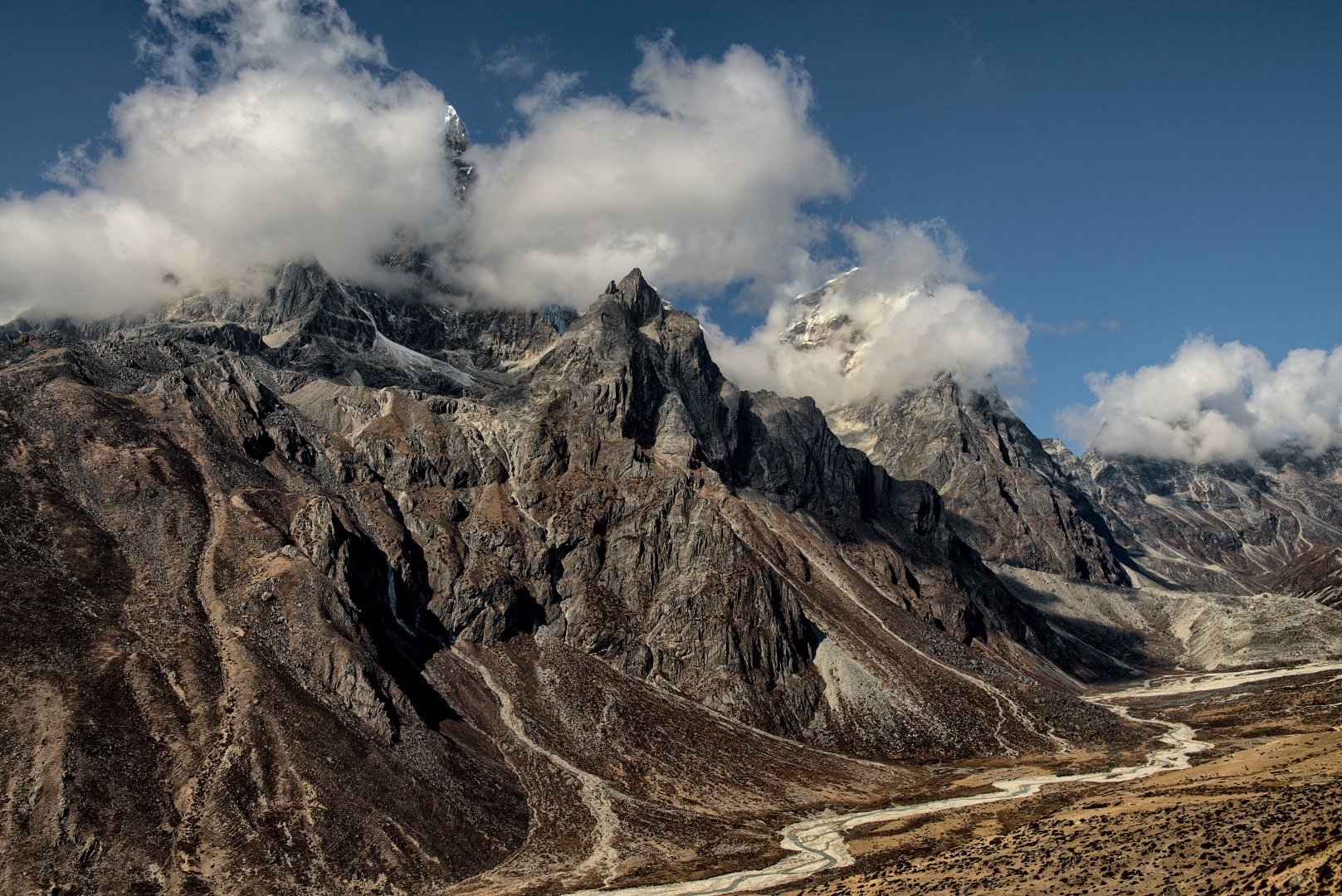
High in the Khumbu region, Lobuche sits in a stark alpine setting along the trail toward Mount Everest. Surrounded by rocky terrain and glacial formations, the village stands close to the Khumbu Glacier, where the landscape shifts into shades of gray, white, and deep blue. The air here is thin and crisp, and the silence is often broken only by the wind moving across the valley.

Island Of Mozambique
The Island of Mozambique, a UNESCO World Heritage Site, is a historical gem nestled off the northern coast of Mozambique. This small island, which was once a pivotal trading post, boasts a rich tapestry of history and culture. The island's main attraction is the Fort São Sebastião, an imposing 16th-century fortress built by the Portuguese to protect their trading interests.
Amarante
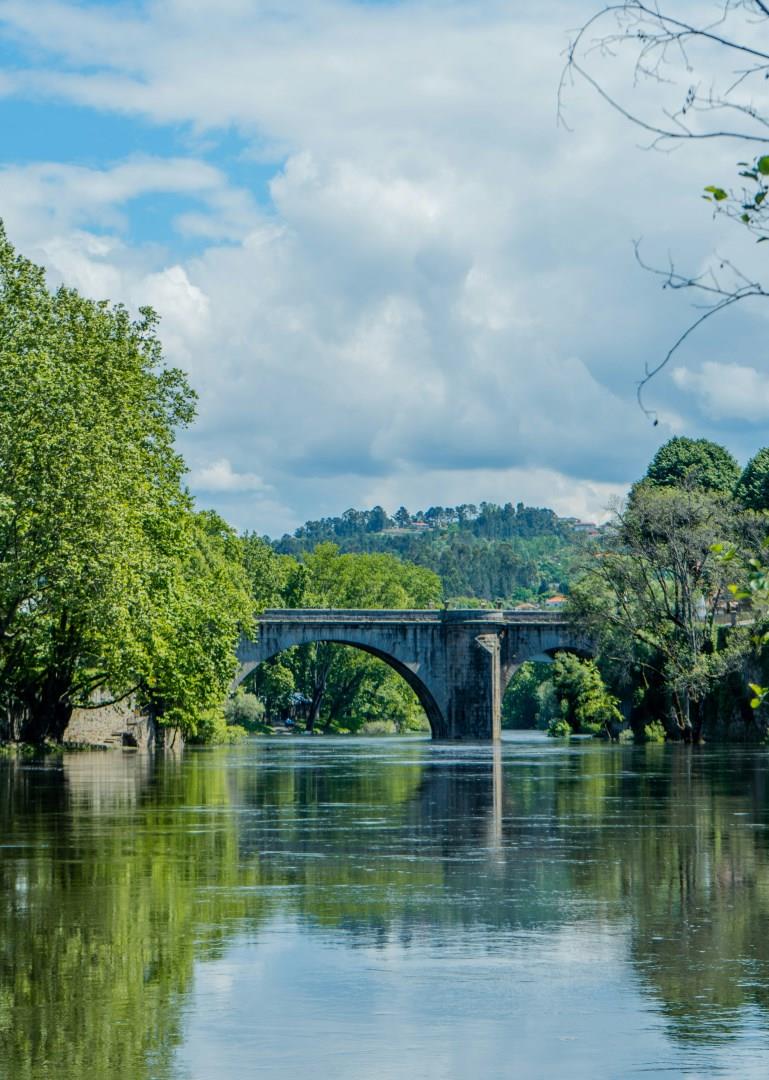
Amarante, located in Portugal’s northern region of Tâmega e Sousa, sits quietly along the banks of the Tâmega River, framed by stone bridges, historic churches, and lush hills. The city is best known for its connection to São Gonçalo, a 13th-century monk whose name now graces the arched bridge and the grand convent-church that stands beside it.
