

Belgium
Belgium may be compact, but it offers a surprising variety of experiences shaped by centuries of shifting borders, artistic innovation, and culinary tradition. In Brussels, the Grand Place sets the stage for history and architecture in one square lined with ornate guild halls. The city is also home to the European Union’s headquarters, surrealist painter René Magritte’s former house, and a lively comic book trail that winds through murals of Tintin and other Belgian icons.
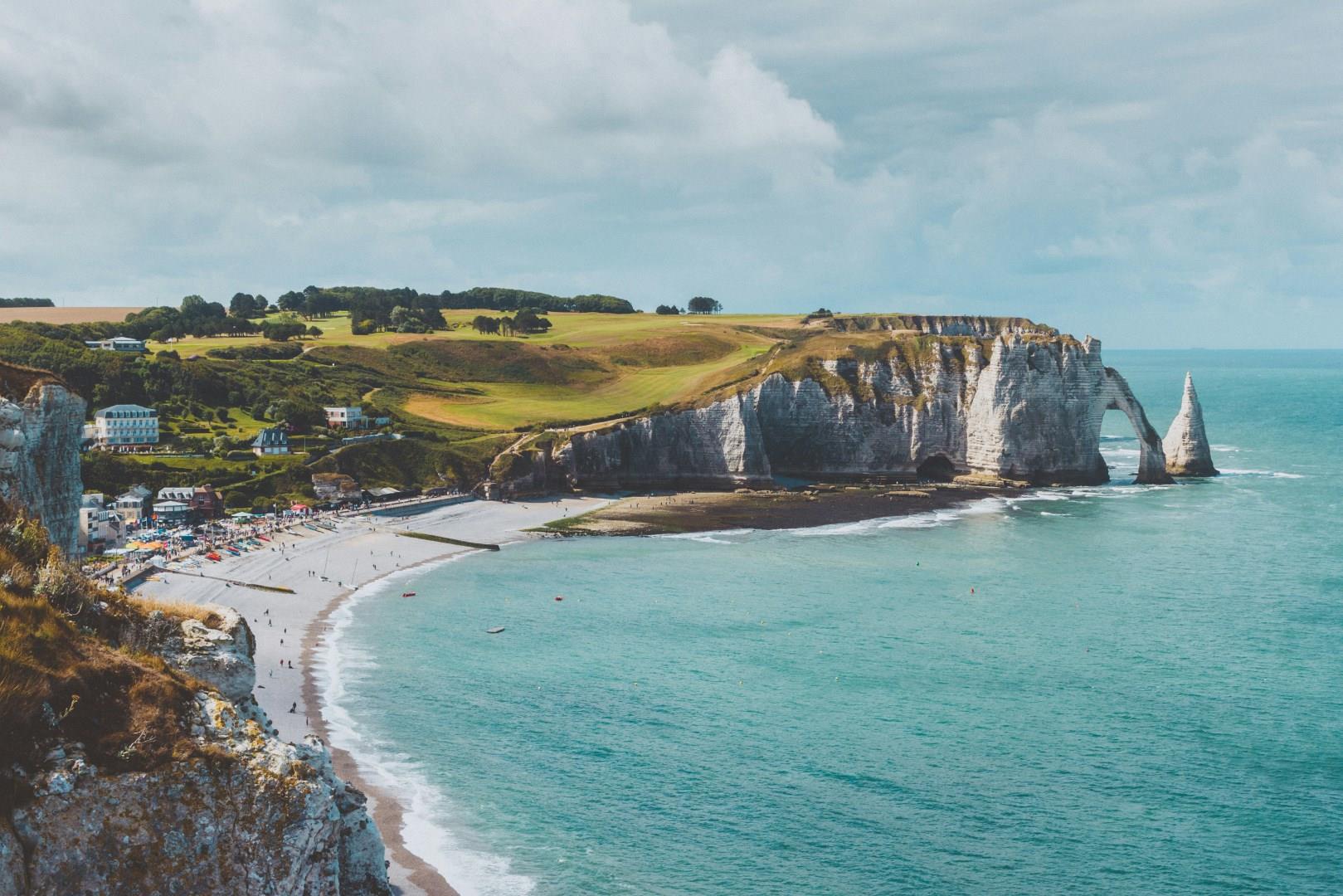
Étretat
Étretat, a small coastal town in Normandy, France, is celebrated for its dramatic white chalk cliffs and natural rock arches that rise strikingly above the English Channel.

Germany
Germany offers a wide range of experiences, shaped by centuries of history, regional traditions, and striking landscapes. In Berlin, the past and present share the same streets. Visitors can walk along remnants of the Berlin Wall and then explore a thriving street art scene in neighborhoods like Kreuzberg and Friedrichshain. The city's Museum Island, a UNESCO World Heritage Site, houses ancient artifacts and 19th-century masterpieces just a short walk from modern coffee shops and rooftop bars.

Caribbean
The Caribbean is a region of vibrant cultures, sunlit shores, and a rich blend of traditions shaped by centuries of history. Scattered across turquoise waters, its islands each offer a unique personality, some bustling with colorful markets and lively music, others known for tranquil beaches and unspoiled nature.
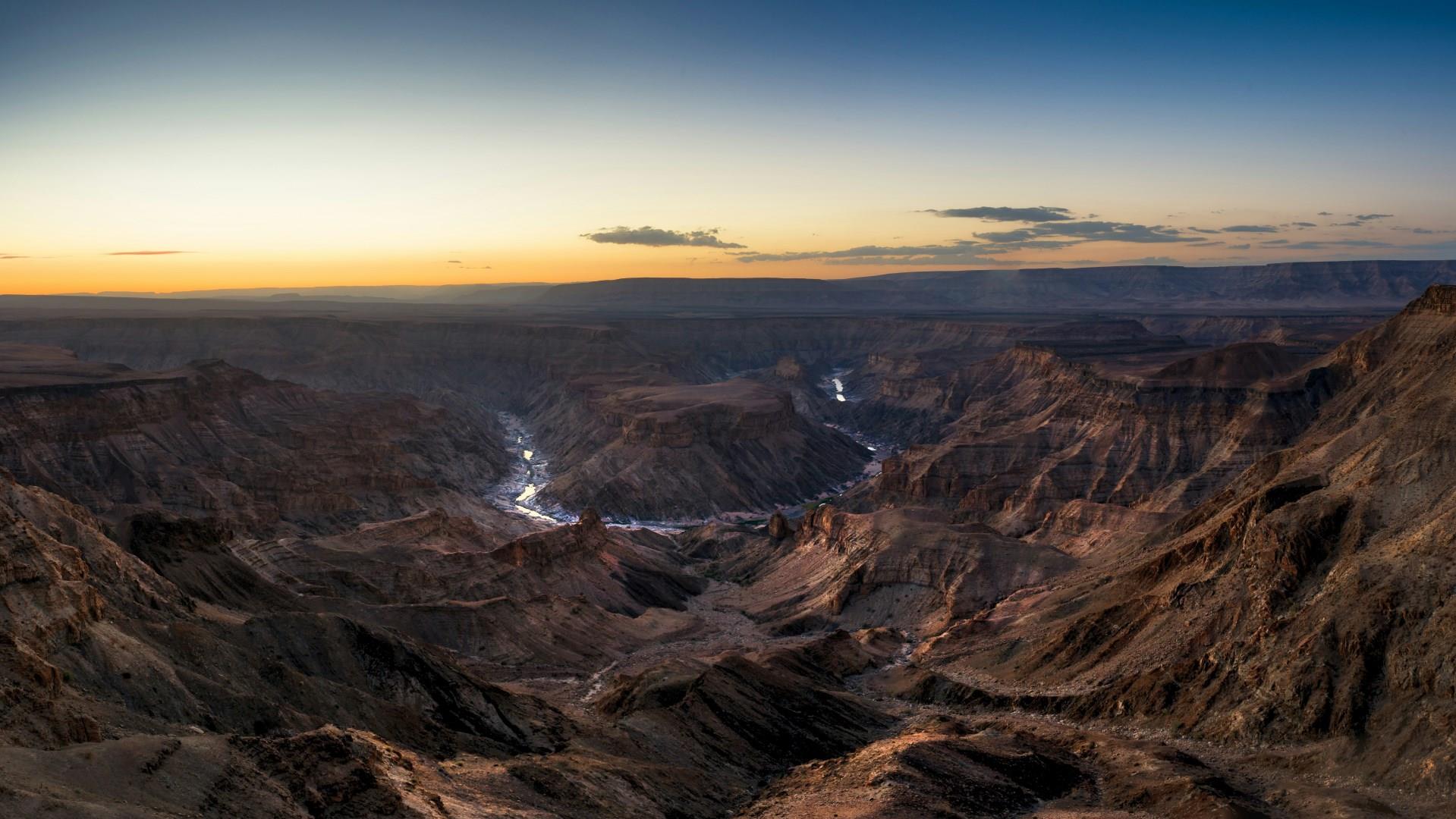
Fish River Canyon
The Fish River Canyon in southern Namibia is one of the planet’s most remarkable landforms, stretching across vast terrain in the Richtersveld Transfrontier Park. It is one of Africa’s largest canyons, carved over millions of years by the Fish River as it etched a deep, twisting gorge into the desert plateau. From high viewpoints like Hell’s Bend, visitors can see layers of rock dropping away to reveal ridges and ravines that seem to go on forever, all under wide, open skies.
