
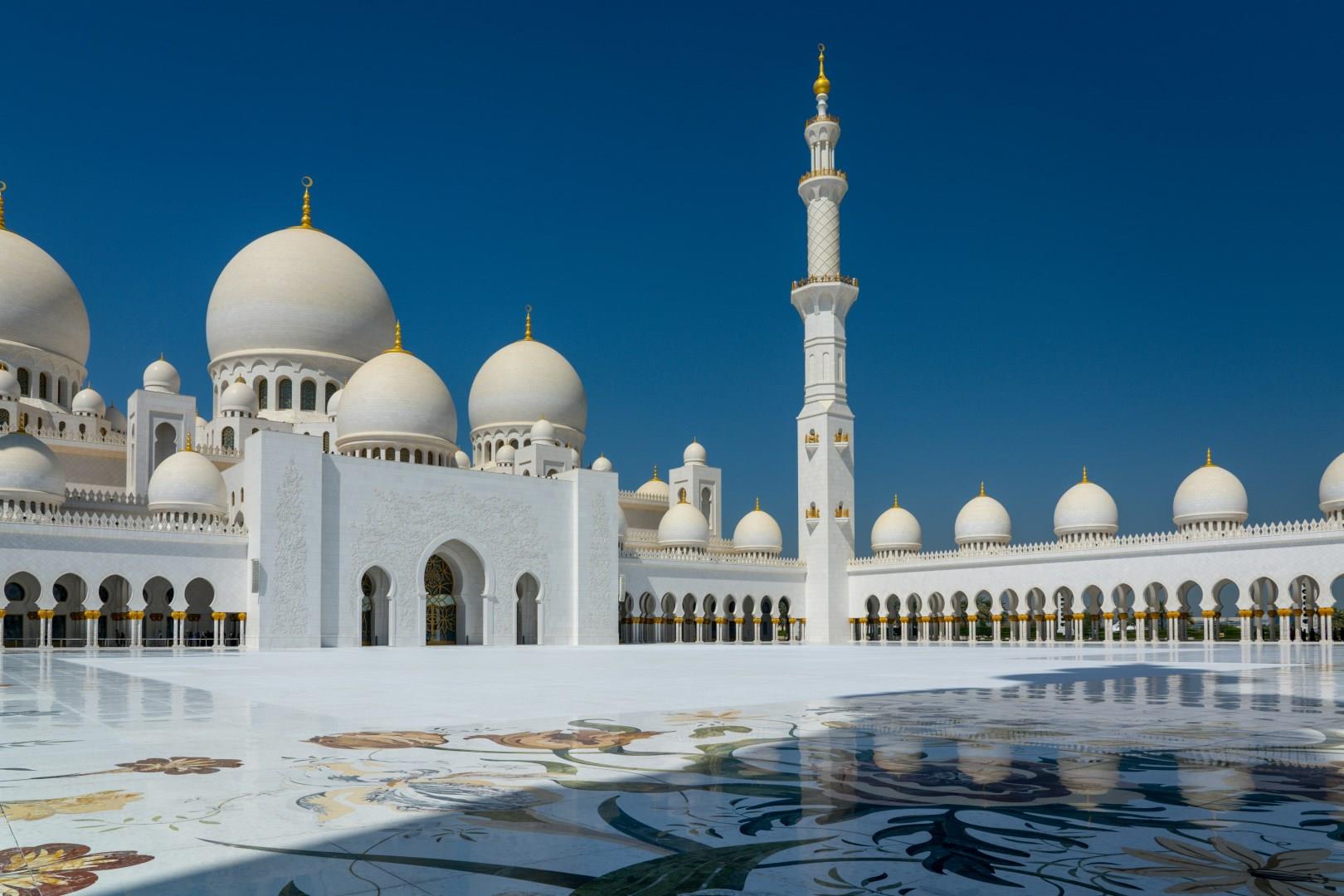
Fujairah
Fujairah stands apart among the emirates as the only one on the UAE’s eastern shore, where waves roll in from the Gulf of Oman and the Hajar Mountains rise sharply behind the city. Life here moves between sea and mountain, where coastal breeze meets rugged terrain, and echoes of ancient trade routes still shape the rhythm of settlements.

Passau
Passau sits on the confluence of the Danube, the Inn and the Ilz, so it is fitting that it is known as "the Dreiflüssestadt", which means the “City of Three Rivers.” The historical center offers a cathedral, churches and museums to explore, and the embankment is perfect for a romantic stroll.
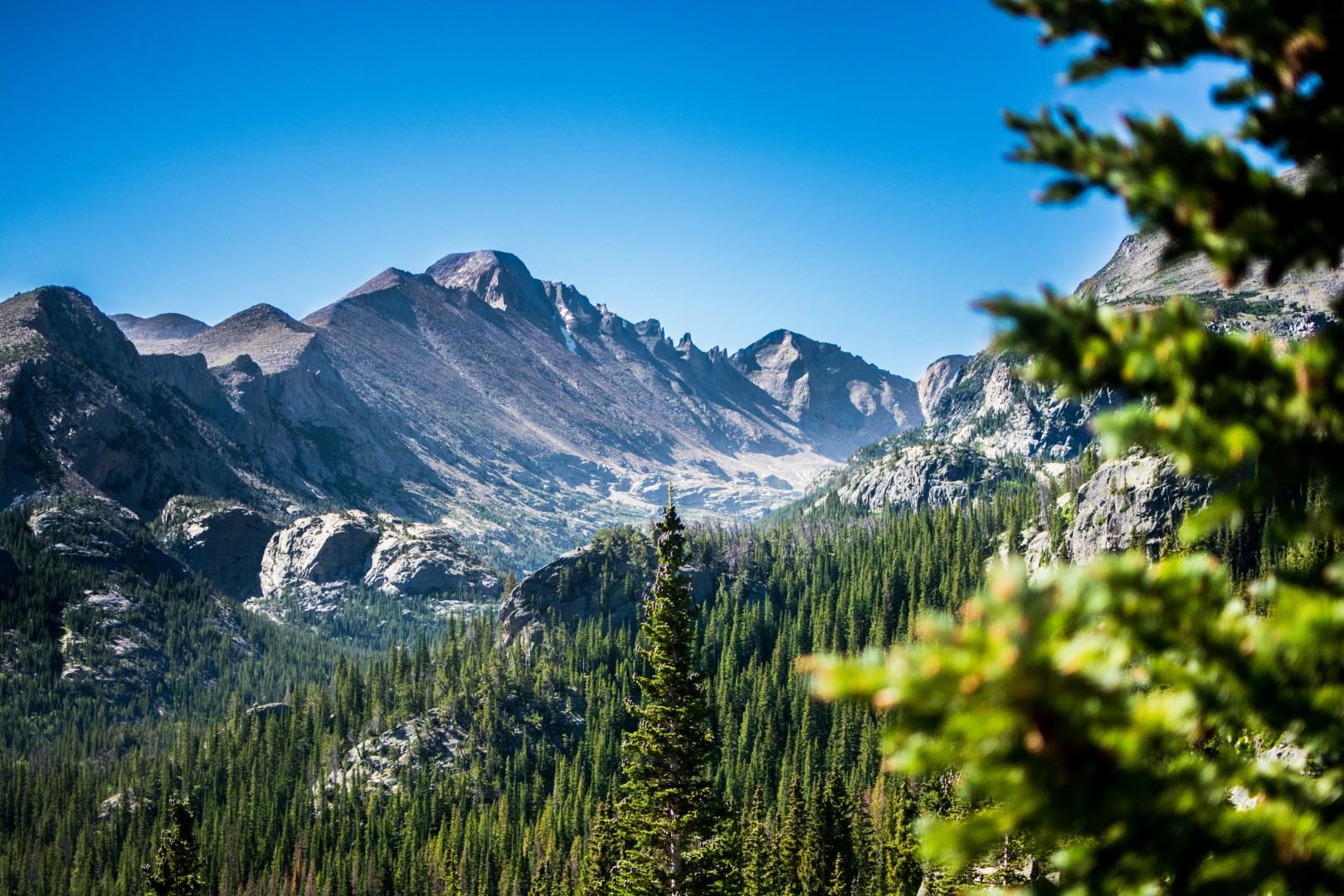
Estes Park
Estes Park, Colorado, is a picturesque mountain town nestled at the entrance of Rocky Mountain National Park. Known for its stunning natural beauty, it offers visitors a perfect blend of adventure and relaxation. With over 300 miles of hiking trails, pristine alpine lakes, and breathtaking mountain vistas, Estes Park is an outdoor enthusiast’s paradise.

Riga
Riga, the vibrant capital of Latvia, offers a captivating blend of medieval charm and contemporary energy. Founded in 1201, Riga’s Old Town, a UNESCO World Heritage Site, is a treasure trove of stunning architecture and historical landmarks. Wander through its cobblestone streets to admire the intricately carved facades of buildings like the House of the Blackheads, a striking 14th-century guildhall that epitomizes Riga's rich merchant history.
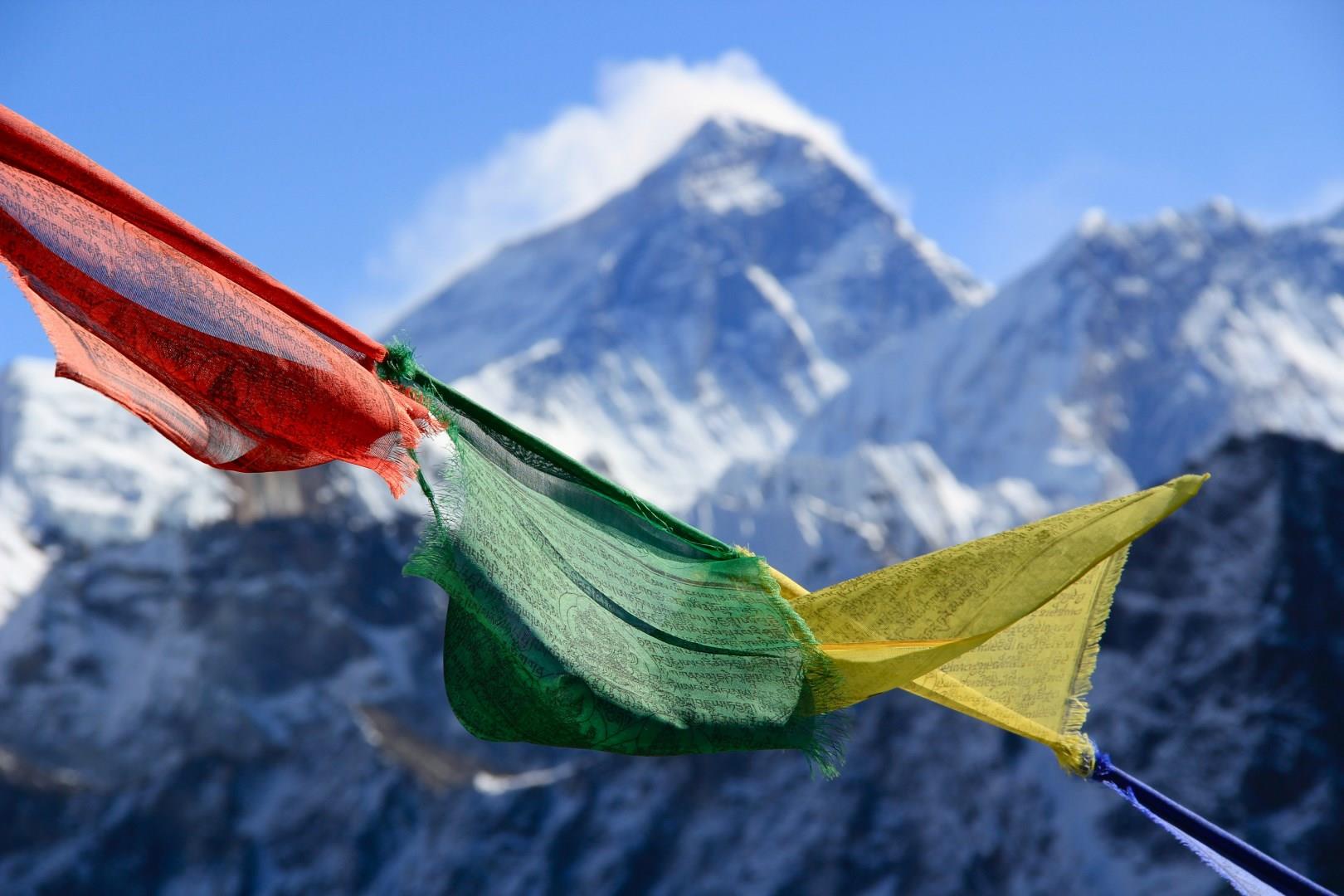
Gokyo
Gokyo is a small settlement high in Nepal’s Khumbu region, set beside a chain of turquoise glacial lakes beneath the Himalaya. Its significance is closely tied to trans-Himalayan trade routes and to Sherpa culture, which has adapted over generations to life at extreme altitude.
