
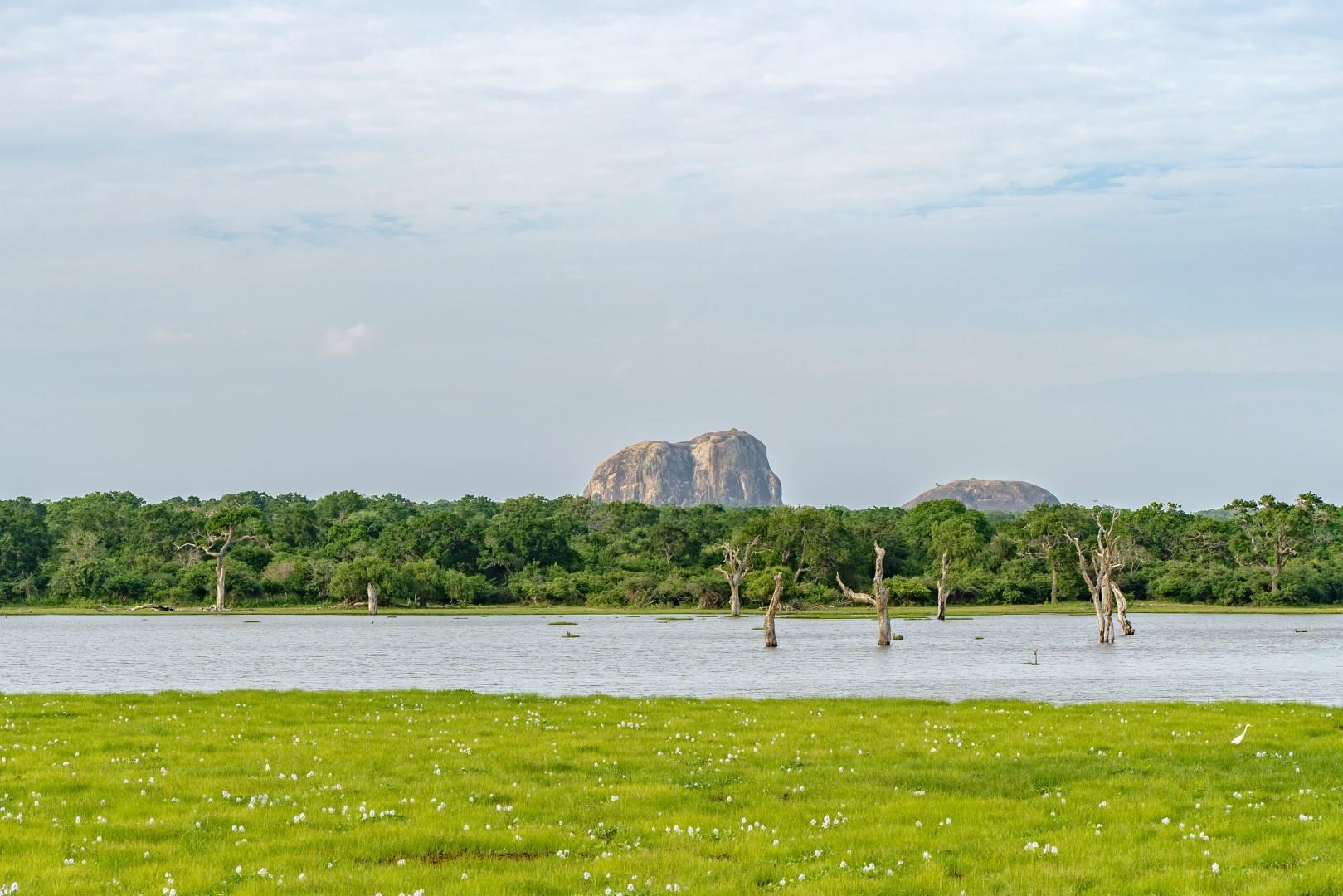
Yala National Park
Yala National Park sprawls across Sri Lanka’s southeast, where dry plains meet lagoons and the Indian Ocean’s shoreline. It is one of the country’s oldest protected areas, first set aside as a wildlife reserve in 1900 and later declared a national park in 1938, and today invites travelers to see life thrive in a wide range of landscapes, from scrubland to sandy beaches.

Costa Rica
Costa Rica is a country that has built its identity around both natural preservation and cultural vibrancy. Known for its stable democracy and emphasis on sustainability, it has become a global leader in eco-tourism.
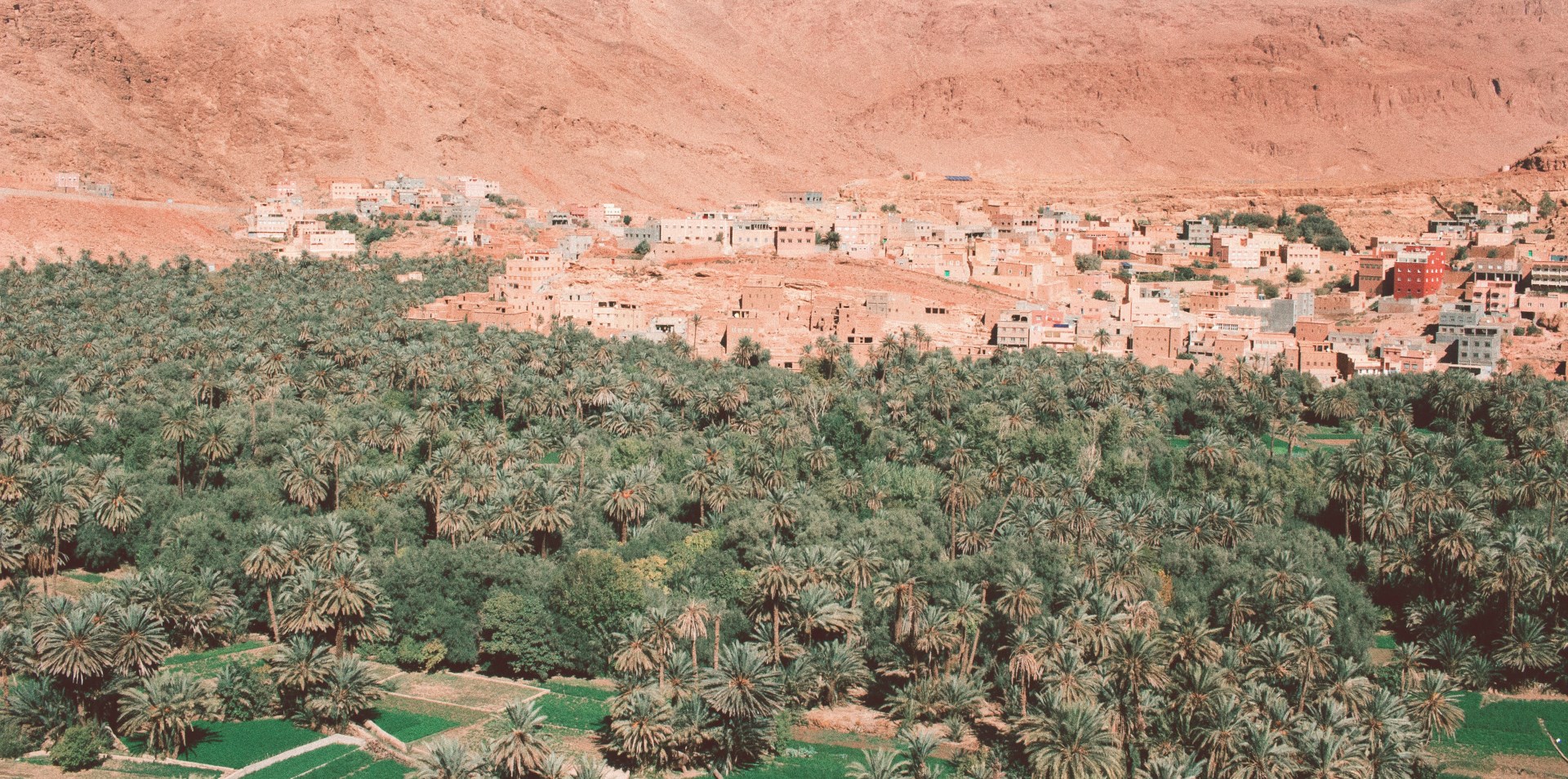
Boumalne Dades
At the edge of the High Atlas Mountains, Boumalne Dades stands as a gateway to one of Morocco’s most striking landscapes. The town stretches along a broad valley where the Dades River cuts through layers of red and ochre rock. This setting creates a dramatic backdrop that shifts in color throughout the day. Travelers often arrive here as a stopping point, but many stay longer after discovering the slower rhythm of village life and the easy access to nearby valleys and gorges.
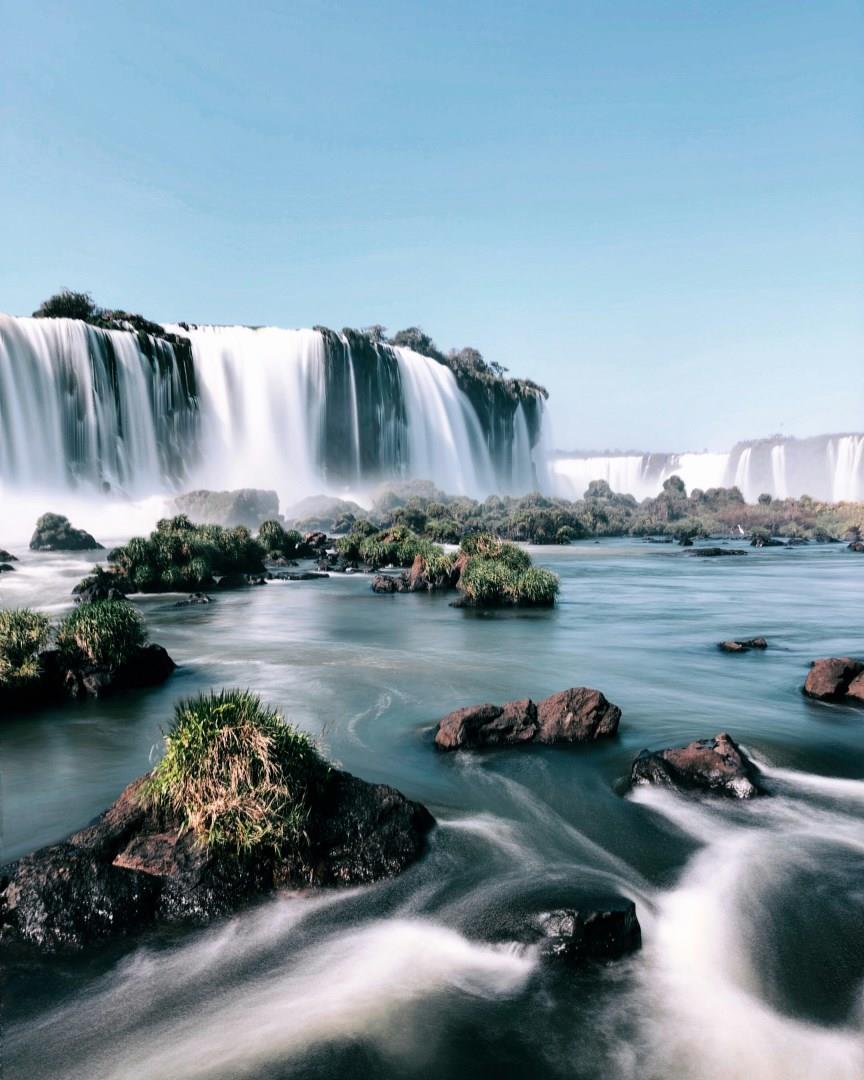
Foz do Iguaçu
Set at the meeting point of Brazil and Argentina, Foz do Iguaçu is defined by the sheer scale of the Iguaçu Falls. Nearly 275 individual waterfalls stretch across close to three kilometers, sending mist into the air and sound echoing through the surrounding forest. Visitors follow raised walkways that bring them face to face with this moving wall of water, culminating at the dramatic Devil’s Throat, a deep, curved drop where the river seems to vanish into the earth.

Hallstatt
Nestled between the serene waters of Lake Hallstatt and the towering Dachstein mountains, Hallstatt, Austria, is a picturesque gem that seems almost too perfect to be real. This UNESCO World Heritage site is renowned for its stunning alpine scenery and charming architecture. Wander through the narrow streets lined with 16th-century houses and experience the timeless beauty that has captivated visitors for centuries.
