

Kraków
Kraków lies in southern Poland along the Vistula River and serves as one of the country’s most recognized cultural centers. Its layout is shaped by a well-preserved historic core, with streets radiating from a large central square. The city retains a human scale, where daily life unfolds among historic buildings, universities, and markets. It stands apart for its continuity of urban life, where medieval structures coexist with modern institutions without dramatic contrast.

Šibenik
Sibenik, located on Croatia's stunning Adriatic coast, is a hidden gem that blends rich history with a vibrant atmosphere. The town's cobblestone streets and captivating architecture, including the famous Cathedral of St. James, offer a glimpse into its storied past. Visitors can explore the medieval St. Michael's Fortress, which provides panoramic views of the city and sea.

Mexico
Mexico offers the best beaches, scuba diving, nightlife, cultural attractions and cuisine in the world. Millions of people flock to this country every year for a well-needed vacation. Archaeological ruins, inexpensive shopping, and festive music are its foremost attractions.

Kotor
This coastal town in Montenegro is part of the World Heritage Site dubbed the Natural and Culturo-Historical Region of Kotor. It holds several summer events, such as the Summer Carnival or Bokeljska Noc. One of the most notable and charming aspects of the town is the large population of cats that have become a symbol of the city.
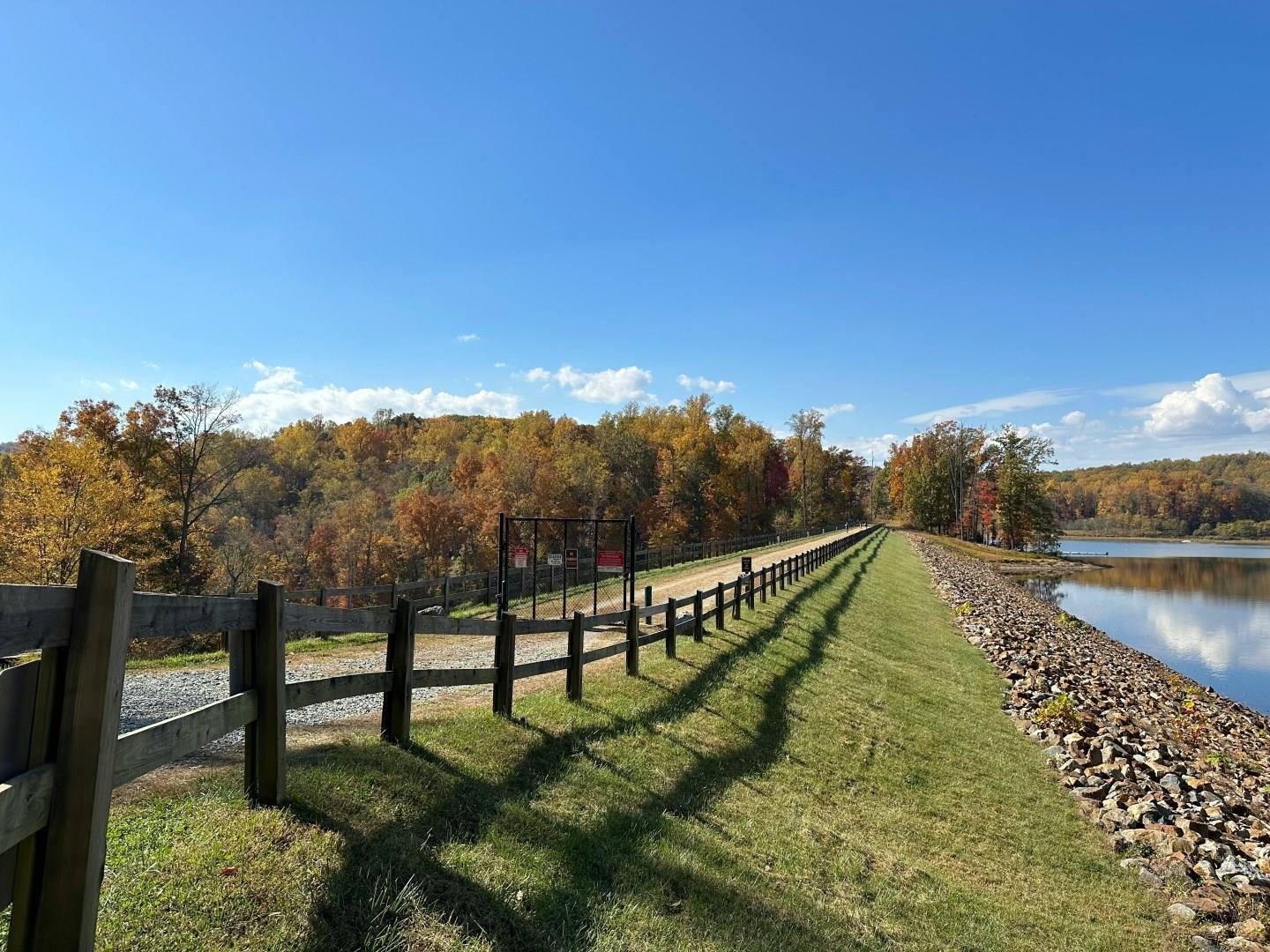
Charlottesville
Charlottesville, Virginia is a small city with deep roots and a lively sense of place. It's home to the University of Virginia, founded by Thomas Jefferson in 1819 and now recognized as a UNESCO World Heritage Site alongside Jefferson’s Monticello estate. Both sites are working institutions where architecture, education, and ongoing dialogue shape how visitors experience the past.
