

Dominica
Dominica, known as the “Nature Island of the Caribbean,” is a haven for eco-tourists and adventure seekers. Nestled between the French islands of Guadeloupe and Martinique, this lush island boasts a remarkable landscape of volcanic mountains, dense rainforests, and stunning waterfalls. Dominica’s most iconic natural wonder is the Boiling Lake, the second-largest hot spring in the world.
Madang Papua
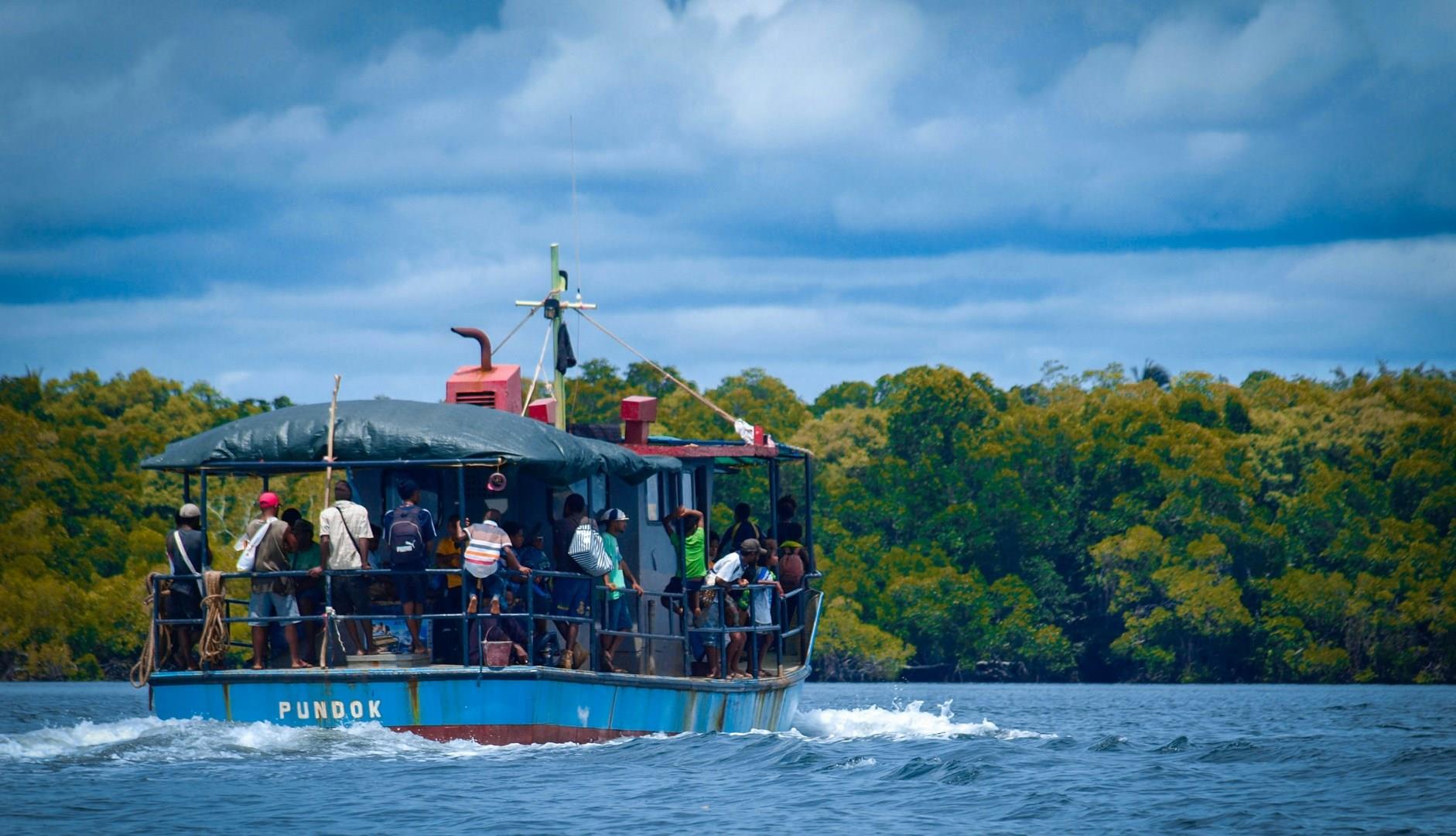
Madang, perched on the edge of Astrolabe Bay, feels like a well-kept secret of Papua New Guinea that’s framed by lush jungles and dotted with volcanic isles. Every June, Madang pulses with energy at the annual Madang Festival. Villages from across the province gather for ceremonies where dancers don feathered costumes, shells, and body paint. The beat of kundu drums rises through the air and stories woven in movement.

Phang Nga
Phang Nga is a coastal province in southern Thailand known for its dramatic limestone landscapes and deep connection to the Andaman Sea. Historically shaped by maritime trade, fishing communities, and tin mining, the region sits just north of Phuket yet feels distinctly quieter and more grounded.

Ulm
Ulm, Germany, a picturesque city on the banks of the Danube River, offers a rich tapestry of history and modern charm. Dominating its skyline is the Ulm Minster, home to the tallest church steeple in the world at 161.5 meters (530 feet). This Gothic masterpiece invites visitors to climb its 768 steps for a breathtaking panoramic view of the city and the surrounding countryside.
Palau
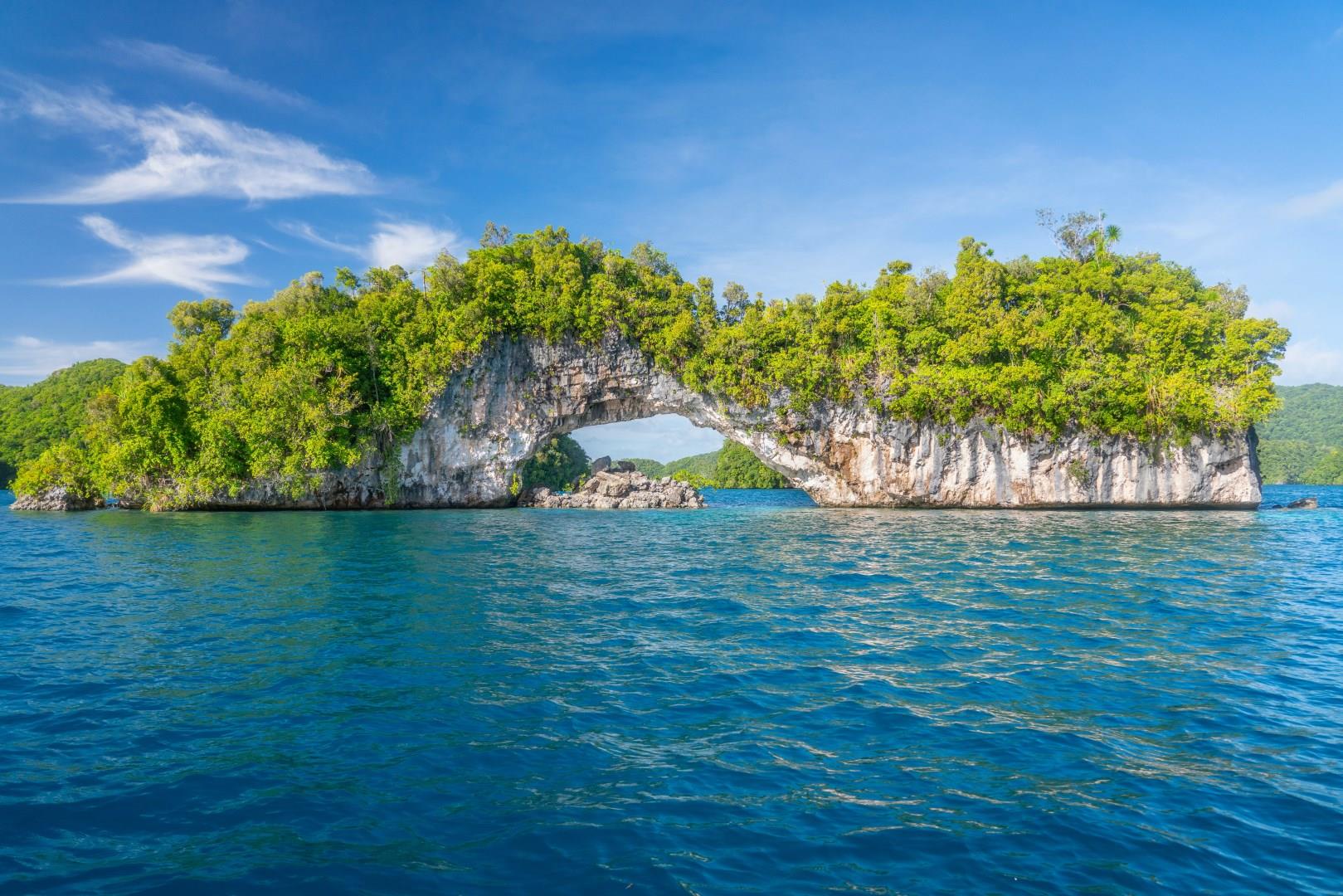
Palau, a Pacific island nation made up of over 500 islands, offers a one-of-a-kind experience for travelers who want to discover something both ancient and alive. Located between the Philippines and Guam, this small country is known for its otherworldly seascapes, but its appeal runs far deeper than its turquoise waters.
