
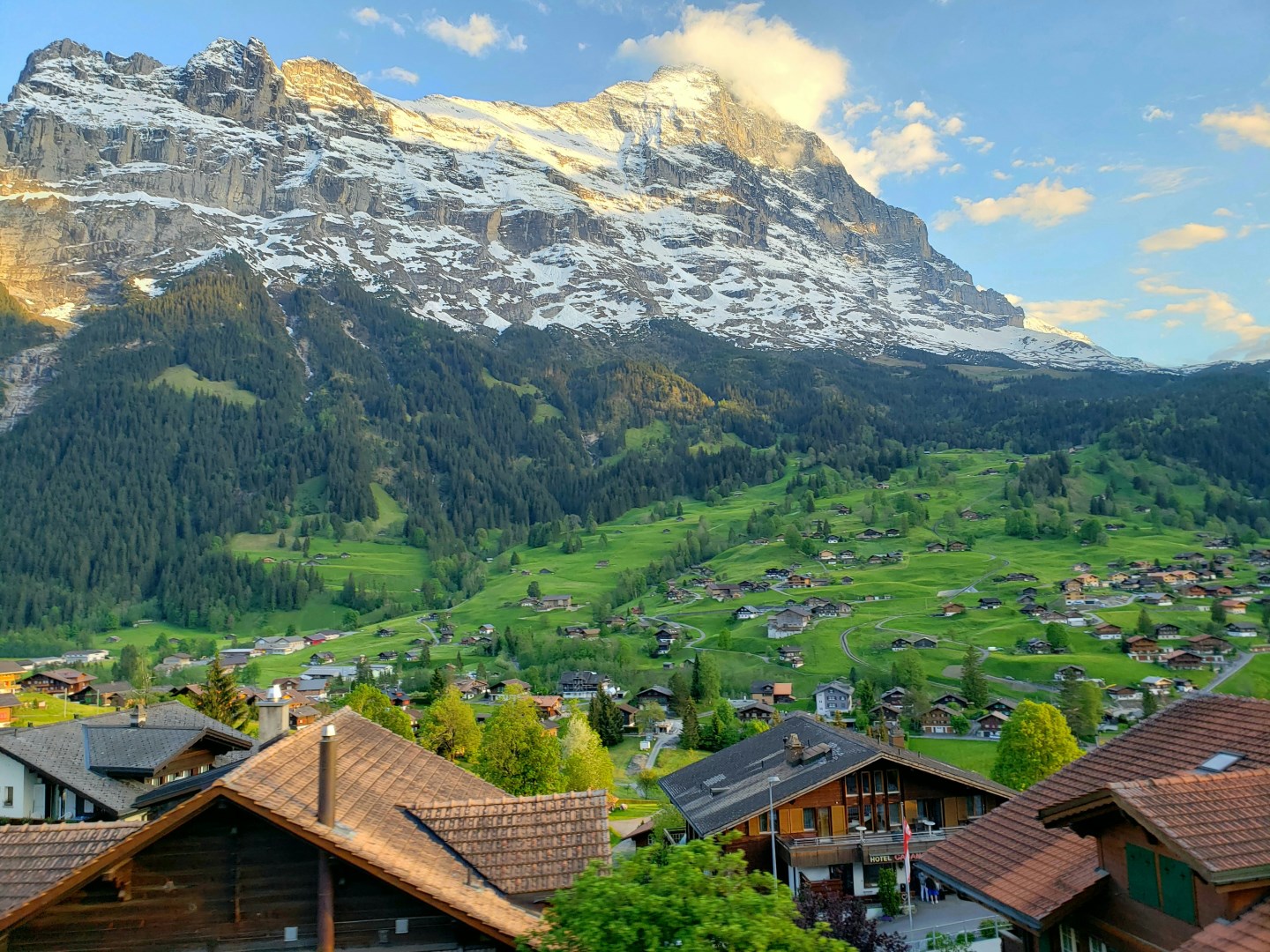
Grindelwald
Set in a wide alpine valley beneath the north face of the Eiger, Grindelwald has long been a place where mountain life and mountaineering history intersect. The village grew from a farming settlement into one of Switzerland’s earliest alpine tourism hubs in the 19th century, when climbers, writers, and scientists arrived to study—and attempt—the surrounding peaks.

Inside Passage
This coastal route runs between the Gulf of Alaska and Puget Sound, and is a popular route for cruise ships. Cruise passengers can expect to see a breathtaking amount of wildlife, as well as Ketchikan, Wrangell, Prince of Wales, Sitka, Juneau, Haines, Skagway and Glacier Bay.
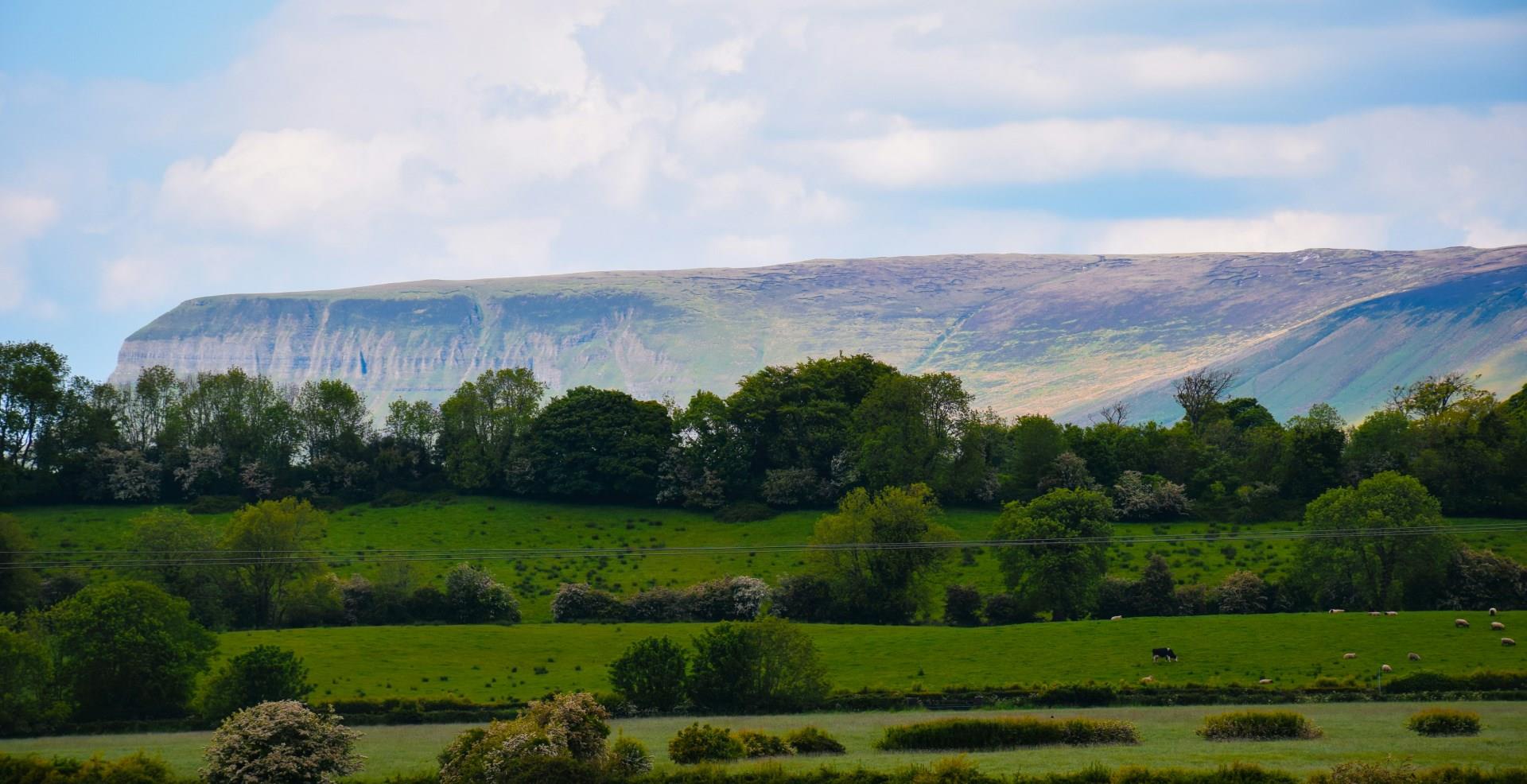
Sligo
Sligo, a coastal town in the northwest of Ireland, is known for its rugged landscapes, literary heritage, and vibrant cultural scene. Nestled between mountains and the Atlantic Ocean, it has long inspired poets and writers, most famously W.B. Yeats, whose presence still echoes through the town’s galleries, libraries, and walking trails. Sligo’s charm lies in its mix of natural beauty and creative energy, where the rugged countryside meets lively streets full of music and arts.
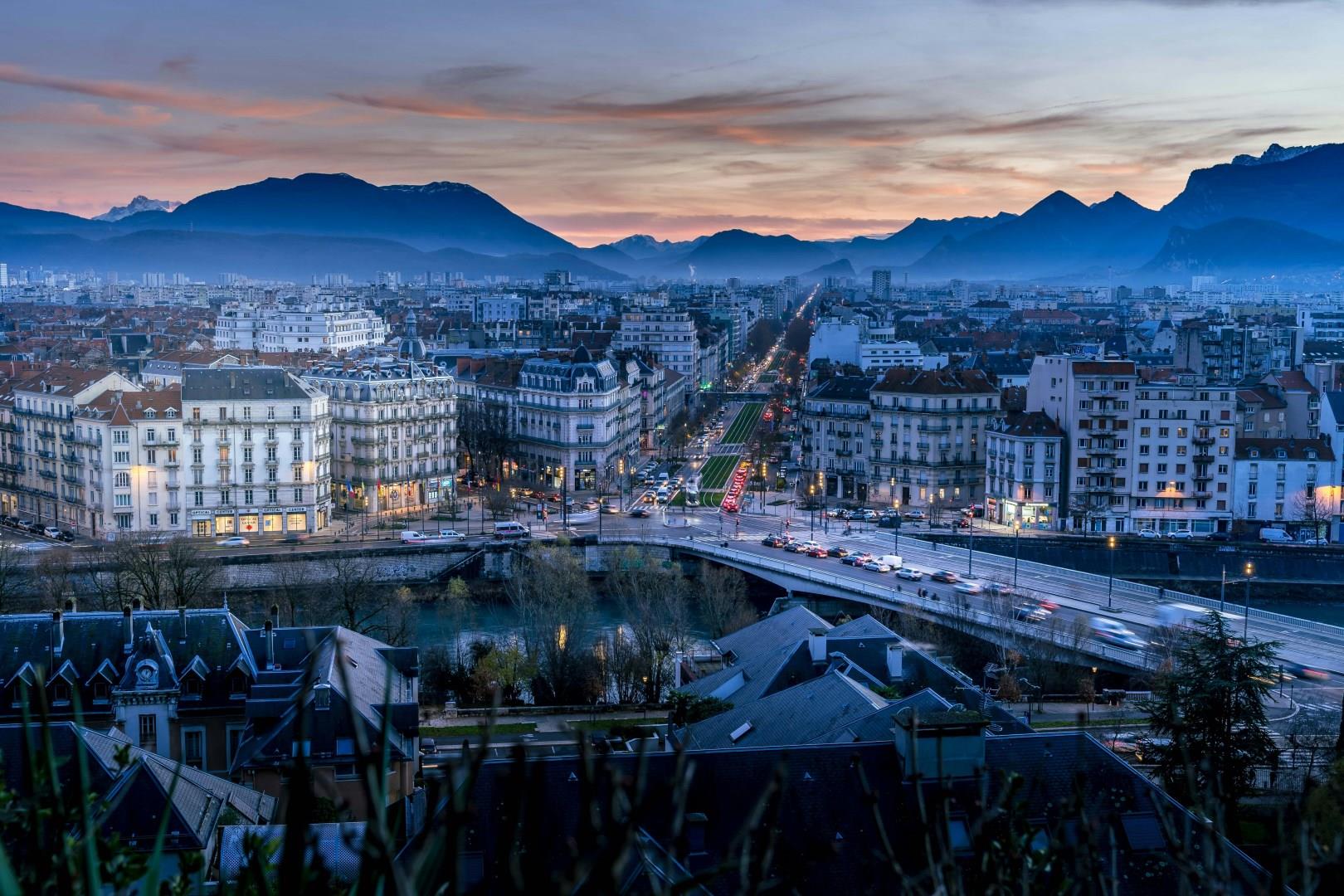
Grenoble
Grenoble sits at the meeting point of three Alpine mountain ranges in southeastern France, giving it a setting that feels both dramatic and lived-in. With origins dating back to Roman times, the city has long been a crossroads of trade, science, and political thought.

Schwangau
Perched high on a rugged hill, Neuschwanstein offers breathtaking views of the surrounding landscape, including the shimmering Alpsee and the dense forests that cloak the region. A visit to Schwangau isn't complete without exploring this iconic landmark, where the opulence of King Ludwig II's vision comes to life in every ornate detail.
