
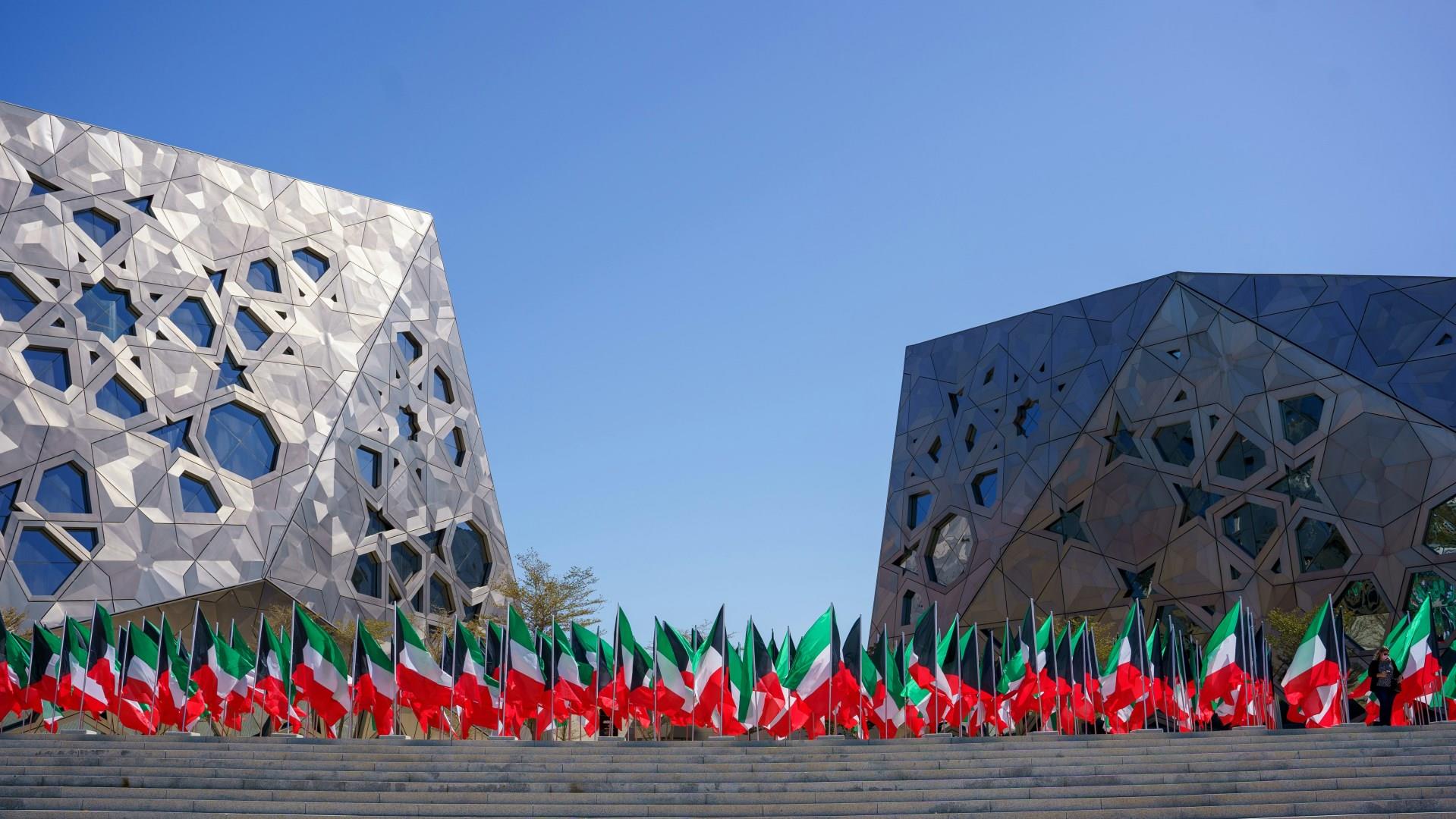
Kuwait City
Kuwait City began as a modest fishing village and has evolved into a modern metropolis. The city's history is deeply rooted in its maritime heritage. The Dhow Harbour in Kuwait City offers a captivating glimpse into the nation's rich maritime past. Historically, dhows were essential for trade, fishing, and pearl diving, shaping Kuwait's economic and cultural identity. Today, the harbor remains a vibrant testament to this legacy, housing a variety of traditional wooden ships.

Maasai Mara National Reserve
One of Africa's most popular game reserves, Maasai Mara is located in Narok, Kenya, near the border of Tanzania. Named in honor of the Maasai people, this park is populated with wildlife including elephants, lions, zebras, and leopards.
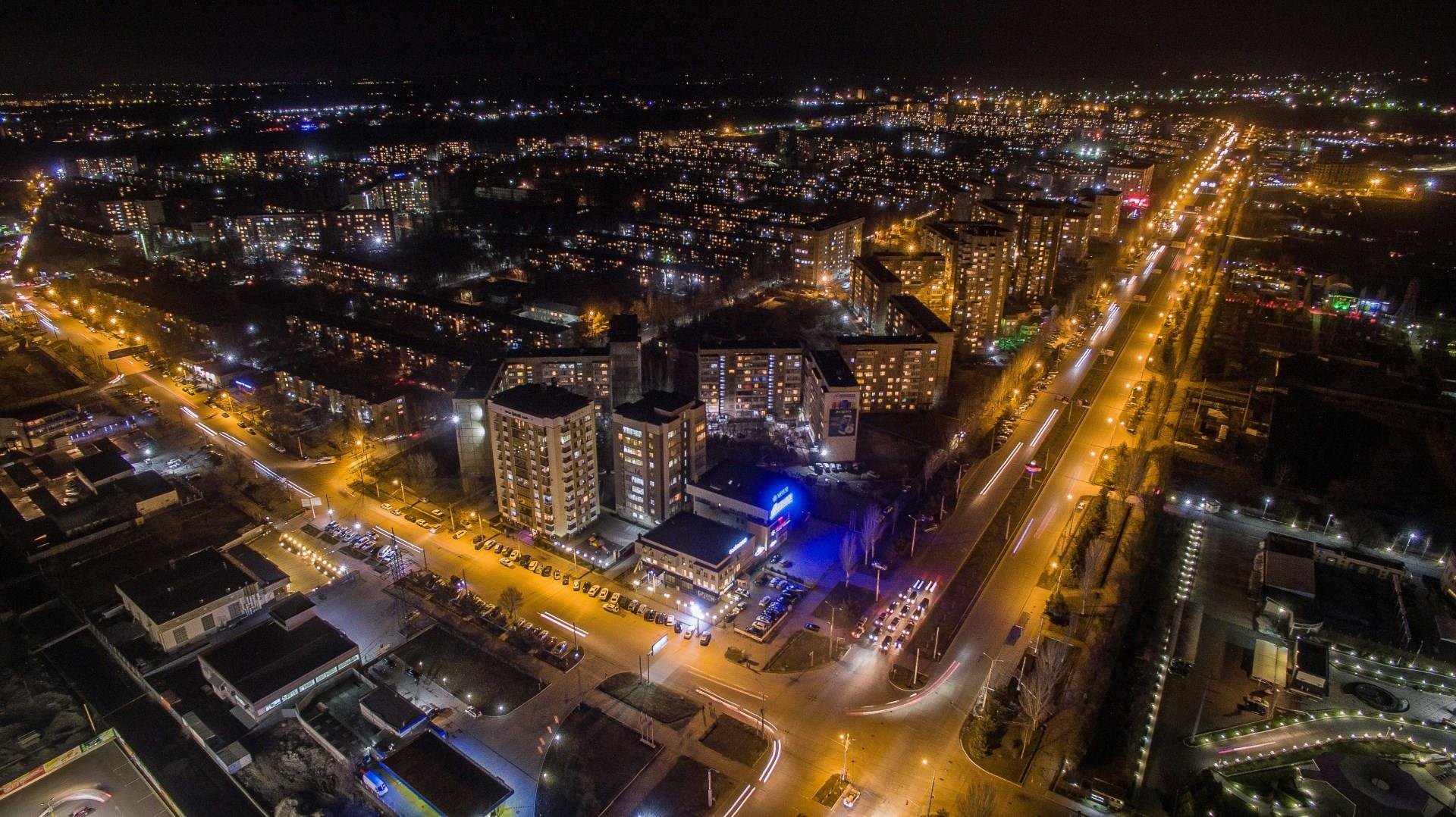
Bishkek
Bishkek, the capital of Kyrgyzstan, sits at the foot of the Ala-Too Mountains and serves as the country’s political, cultural, and economic center. The city is known for its wide tree-lined streets, Soviet-era architecture, and public squares.
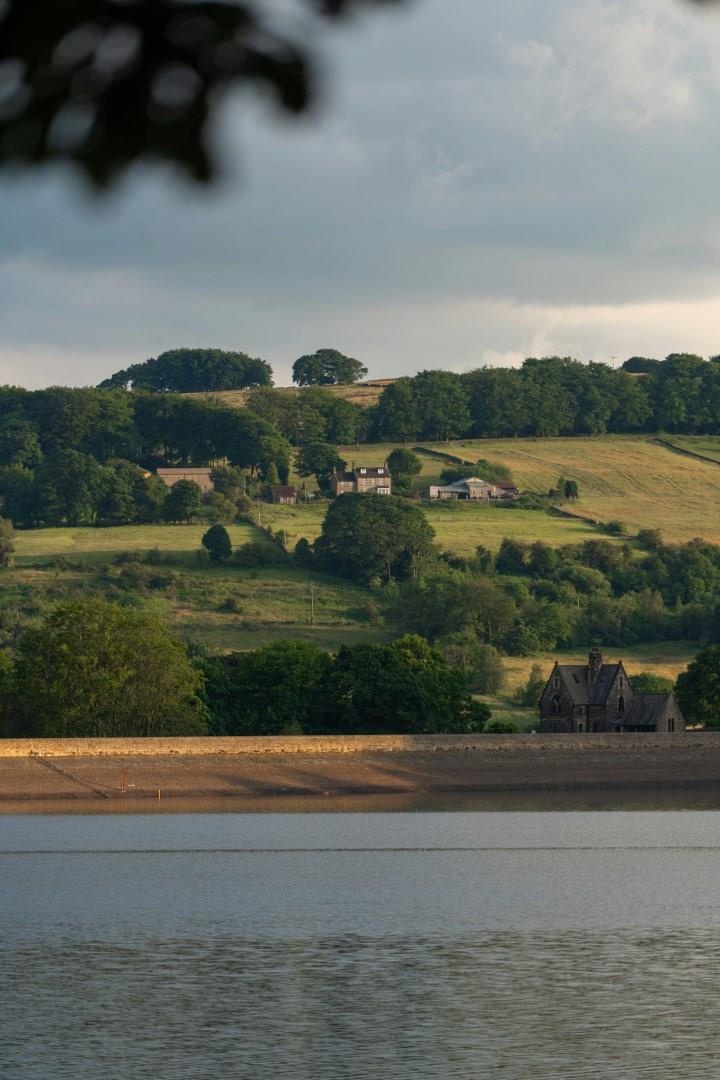
Sheffield
Sheffield, once the global heart of the steel industry, has evolved into a city where industrial heritage meets green landscapes and a growing creative scene. Known historically for innovations like stainless steel, Sheffield still celebrates its roots at sites like the Kelham Island Museum, where restored machinery and interactive exhibits tell the story of the city’s engineering legacy.
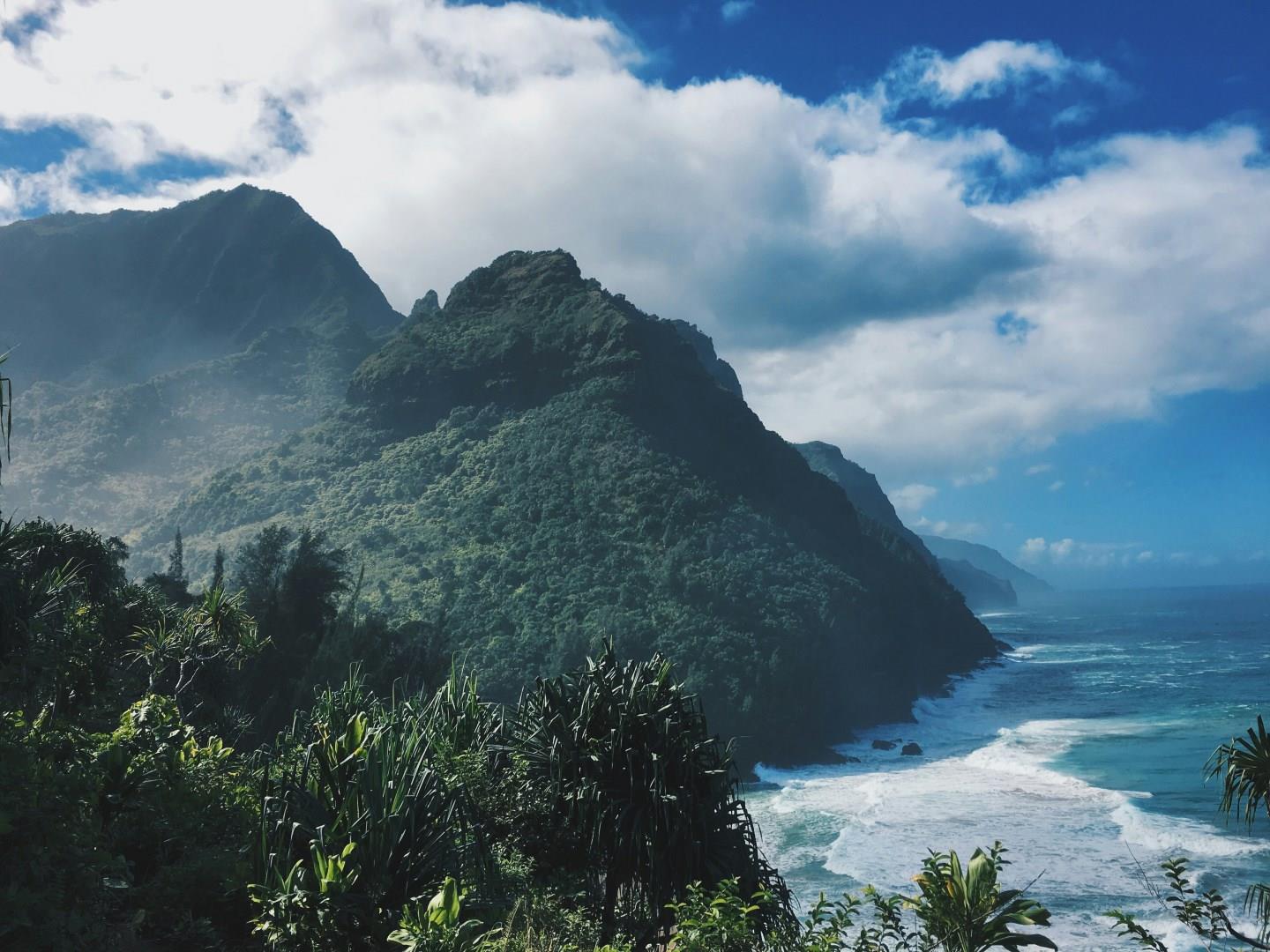
Kapaa, Kauai
Kapaa, a coastal town on the east side of Kauai, offers a laid-back alternative to Hawaii’s more developed resort areas. Despite its small size, Kapaa is one of the most populated towns on the island, making it a central hub for exploring the Coconut Coast, a stretch of shoreline dotted with towering palms and scenic overlooks.
