

Giurgiu
Giurgiu, a charming city in southern Romania, offers a unique blend of history, culture, and natural beauty, making it a captivating destination for travelers seeking an off-the-beaten-path experience.
Mindelo
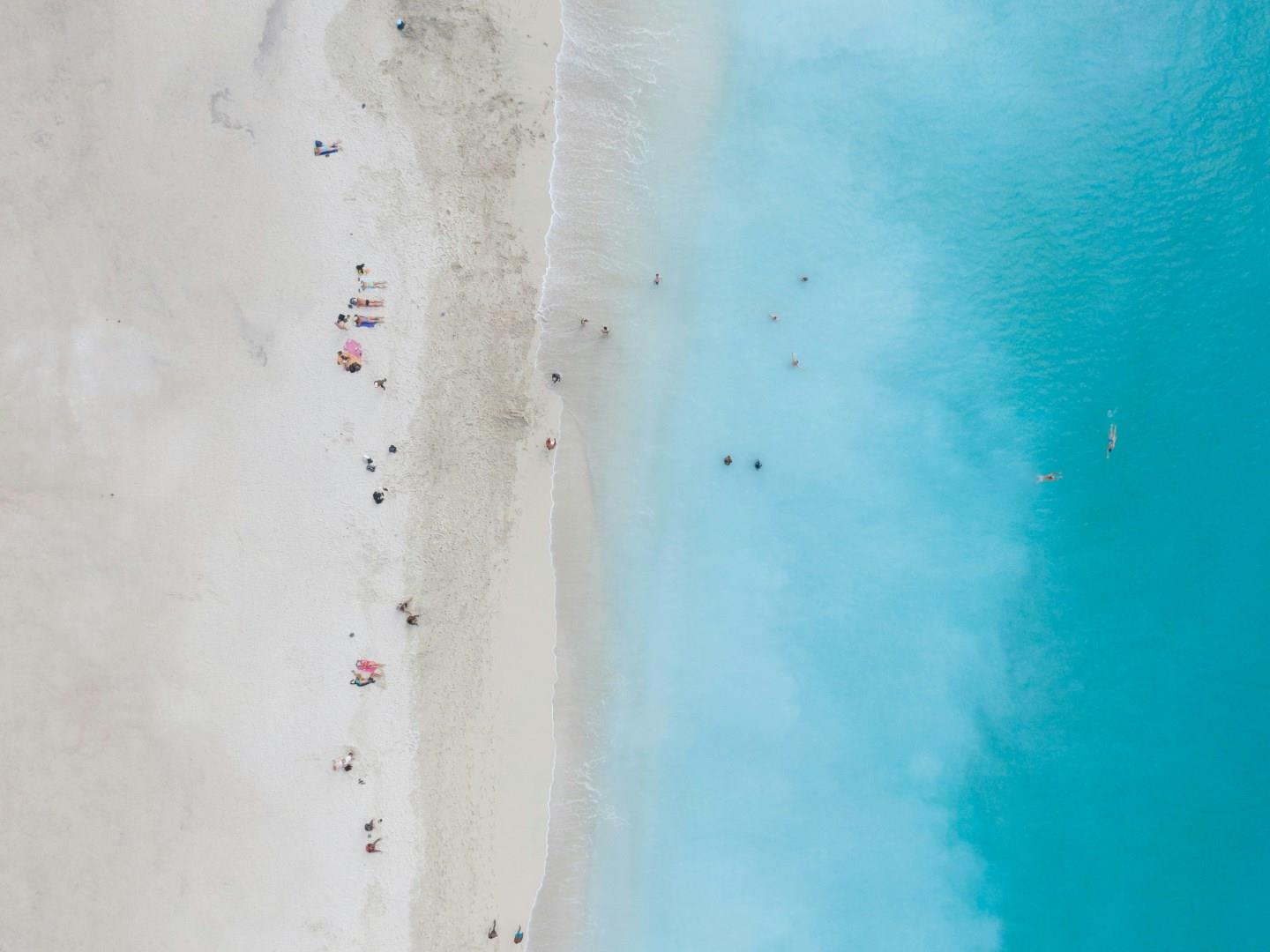
Mindelo, on the northern coast of São Vicente Island, is Cape Verde’s cultural pulse. Its streets are lined with colorful colonial buildings, lively squares, and historic churches that echo the city’s maritime past.
Melbourne
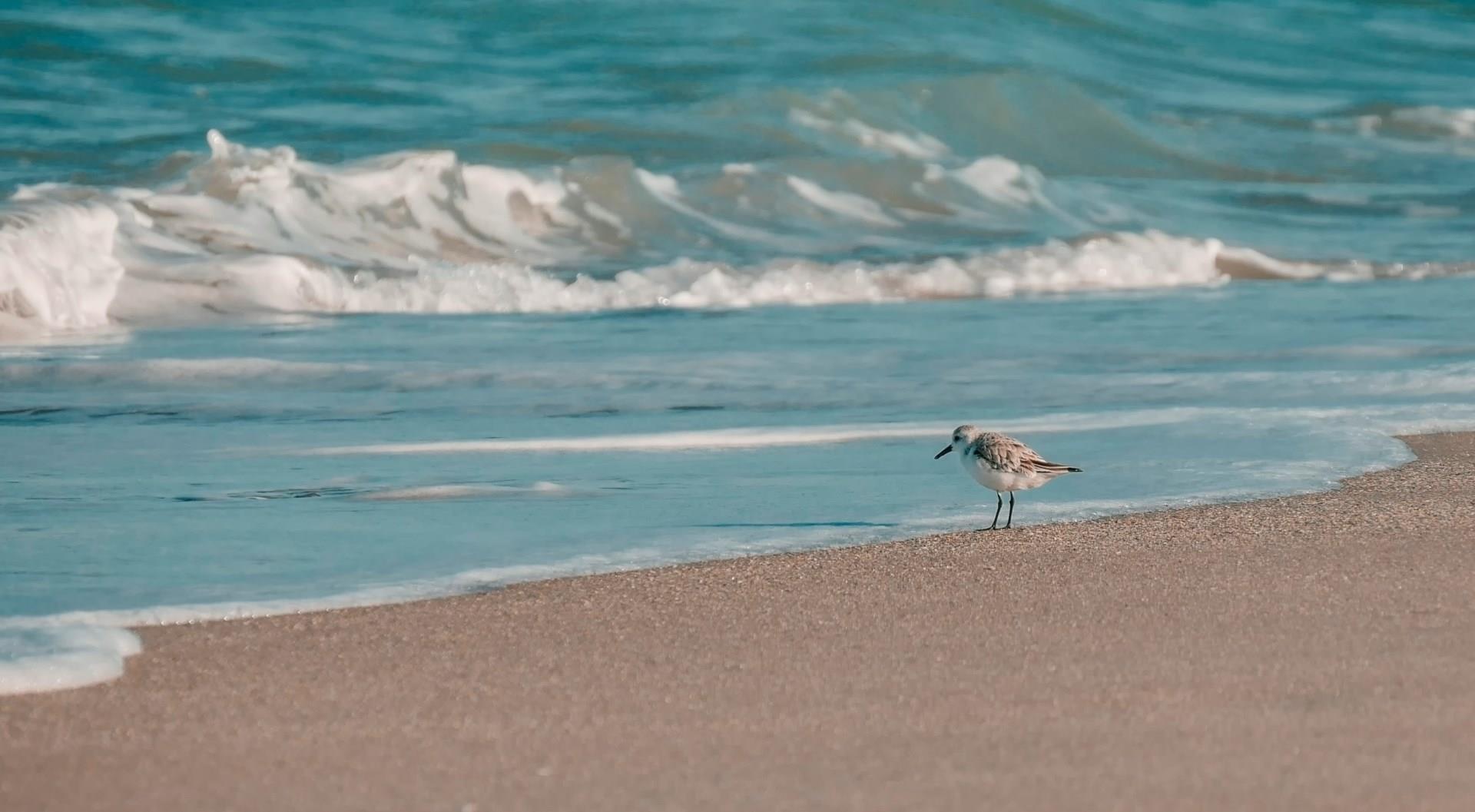
Melbourne, Florida, is a charming city that combines coastal beauty with a rich tapestry of cultural and recreational activities. Nestled along the Atlantic coast, Melbourne offers pristine beaches and vibrant outdoor experiences. The Historic Downtown Melbourne is a delightful area where you can explore unique shops, dine at quaint restaurants, and soak in the small-town charm.

Kobe
Kobe, Japan is a beautiful port city renowned for its historic shrines, botanical gardens, hot springs, and marbled Kobe beef. Highlights of this Japanese retreat include Ikuta Shrine, thought to be one of Japan's oldest Shinto shrines, Kobe Nunobiki Herb Botanical Gardens, Mount Rokkō, and Arima Onsen, a popular hot springs resort surrounded by Japanese maple trees.

Hazyview
Hazyview is a small town in Mpumalanga Province in northeastern South Africa, positioned near the southern entrance of Kruger National Park.
