
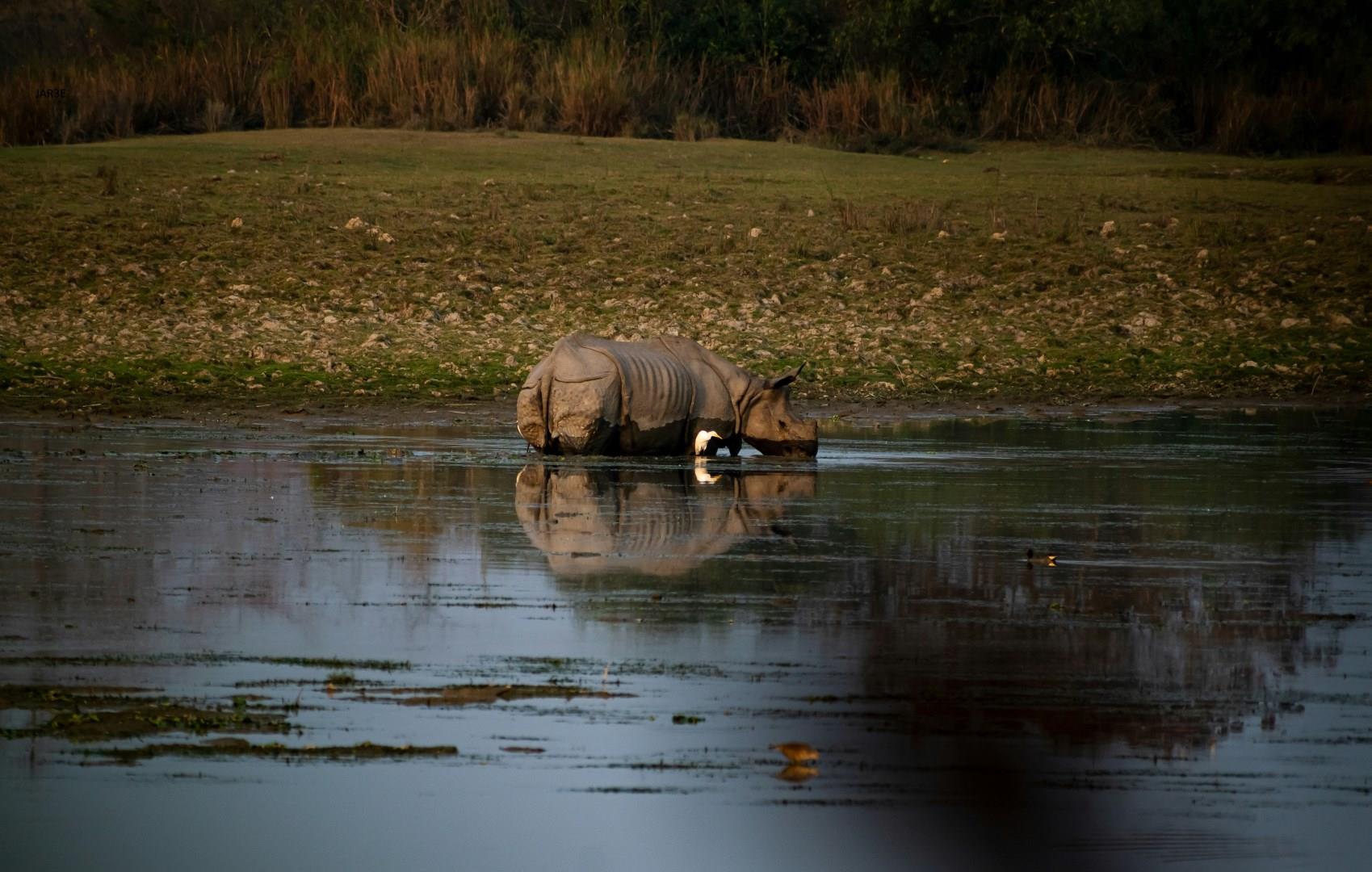
Kaziranga National Park
Kaziranga National Park stretches across the floodplains of the Brahmaputra River in Assam, shaped as much by water as by wildlife. Established in the early 20th century, it became central to conservation efforts in India, most notably for the greater one-horned rhinoceros. The park’s history reflects a long negotiation between protection, seasonal flooding, and the human communities that live around its edges.
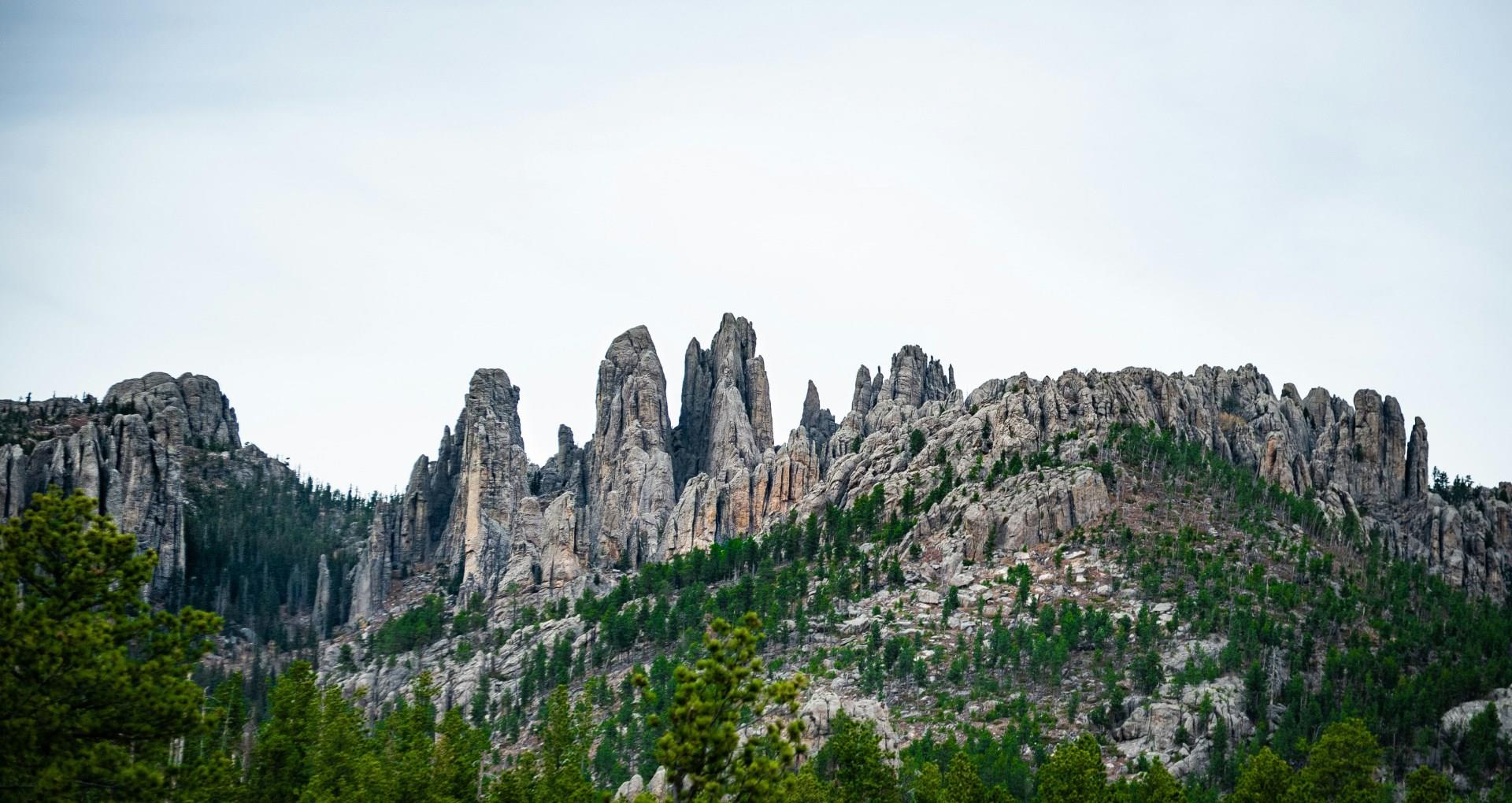
Custer State Park
Custer State Park, nestled in the Black Hills of South Dakota, offers a tapestry of natural beauty and wildlife. Known for its scenic drives and outdoor activities, the park is a haven for nature enthusiasts and adventure seekers alike. One of its most famous routes, the Needles Highway, weaves through towering granite spires and narrow tunnels, providing breathtaking vistas of the rugged terrain.

Naples
Situated between magnificent Mount Vesuvius and the glittering Tyrrhenian Sea, Naples is the perfect destination for history and archaeology aficionados and lovers of savory Italian eats. Marvel at the ruins of Pompeii and Herculaneum, explore the San Gennaro Catacombs, and end your day with authentic Neapolitan pizza.

York
York, England, is a city where over 2,000 years of history comes to life. Originally founded by the Romans in 71 AD as Eboracum, York has witnessed the rise and fall of empires, from the Vikings to the Normans. Today, the city retains its medieval charm, with its historic York Minster, one of the largest Gothic cathedrals in Northern Europe, standing proudly as its centerpiece.

Olympia
Situated on Peloponnese peninsula's Western side, Olympia has the distinction of being one of Greece's most significant archaeological sites.
