

Phuket
Phuket, Thailand’s largest island, has long served as a cultural and trade crossroads in the Andaman Sea. Centuries ago, it was a stopover for merchants trading tin, spices, and textiles, with influences from Chinese, Portuguese, Indian, and Malay travelers still reflected in the island’s architecture and cuisine. Inland, the Khao Phra Thaeo Wildlife Sanctuary protects rainforest habitat home to gibbons, civets, and exotic birds.

Kahului, Maui
Located on the island of Maui, Kahului serves as the island's vibrant commercial hub and a gateway to many of its top attractions, offering visitors an exciting blend of local culture, historic sites, and easy access to Maui’s stunning landscapes. The town is a short drive from some of the island’s most striking destinations, including the majestic Haleakalā National Park and the nearby Hana Highway, with its lush rainforests and hidden waterfalls.
Charlottesville
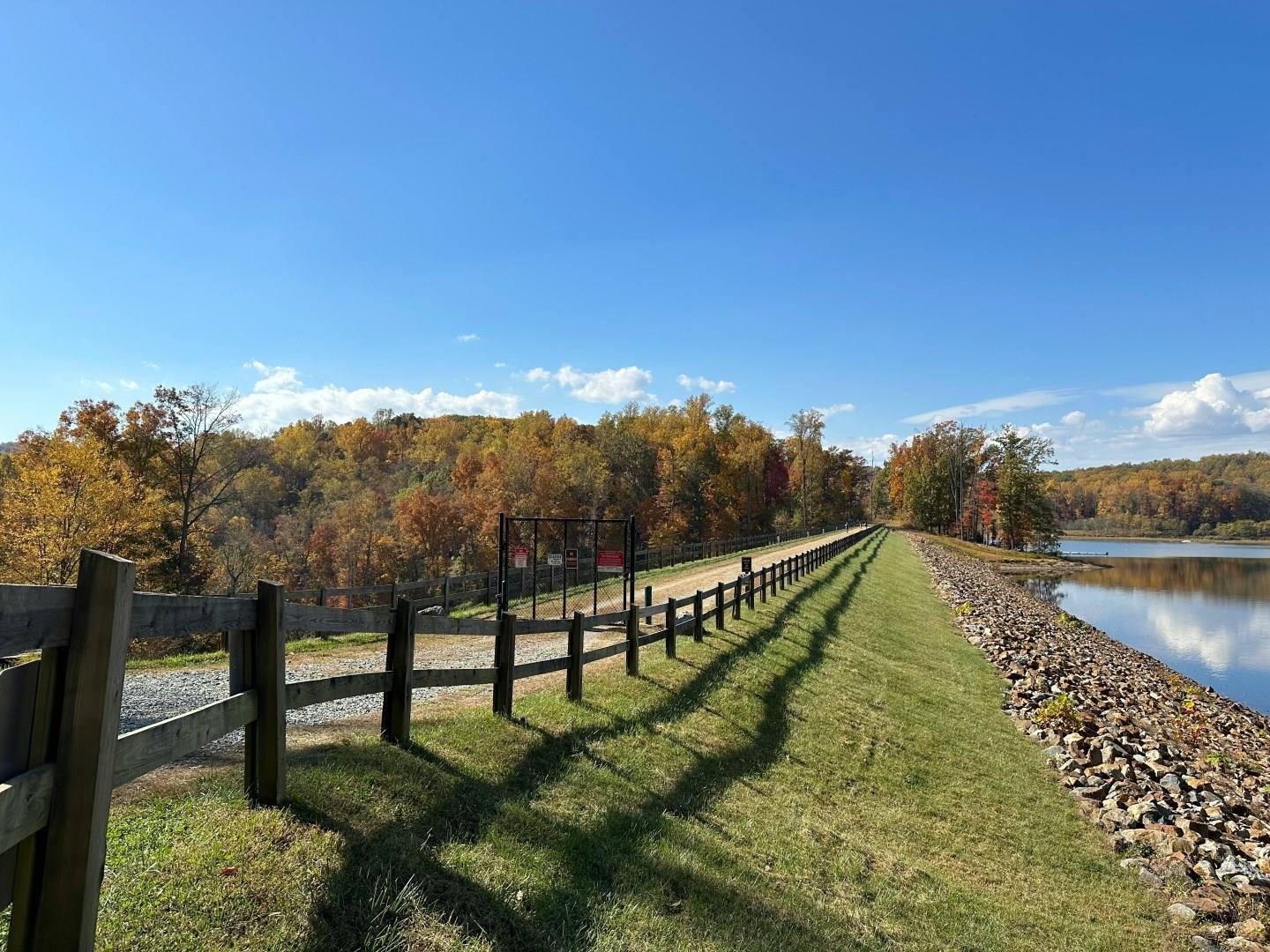
Charlottesville, Virginia is a small city with deep roots and a lively sense of place. It's home to the University of Virginia, founded by Thomas Jefferson in 1819 and now recognized as a UNESCO World Heritage Site alongside Jefferson’s Monticello estate. Both sites are working institutions where architecture, education, and ongoing dialogue shape how visitors experience the past.
Turin
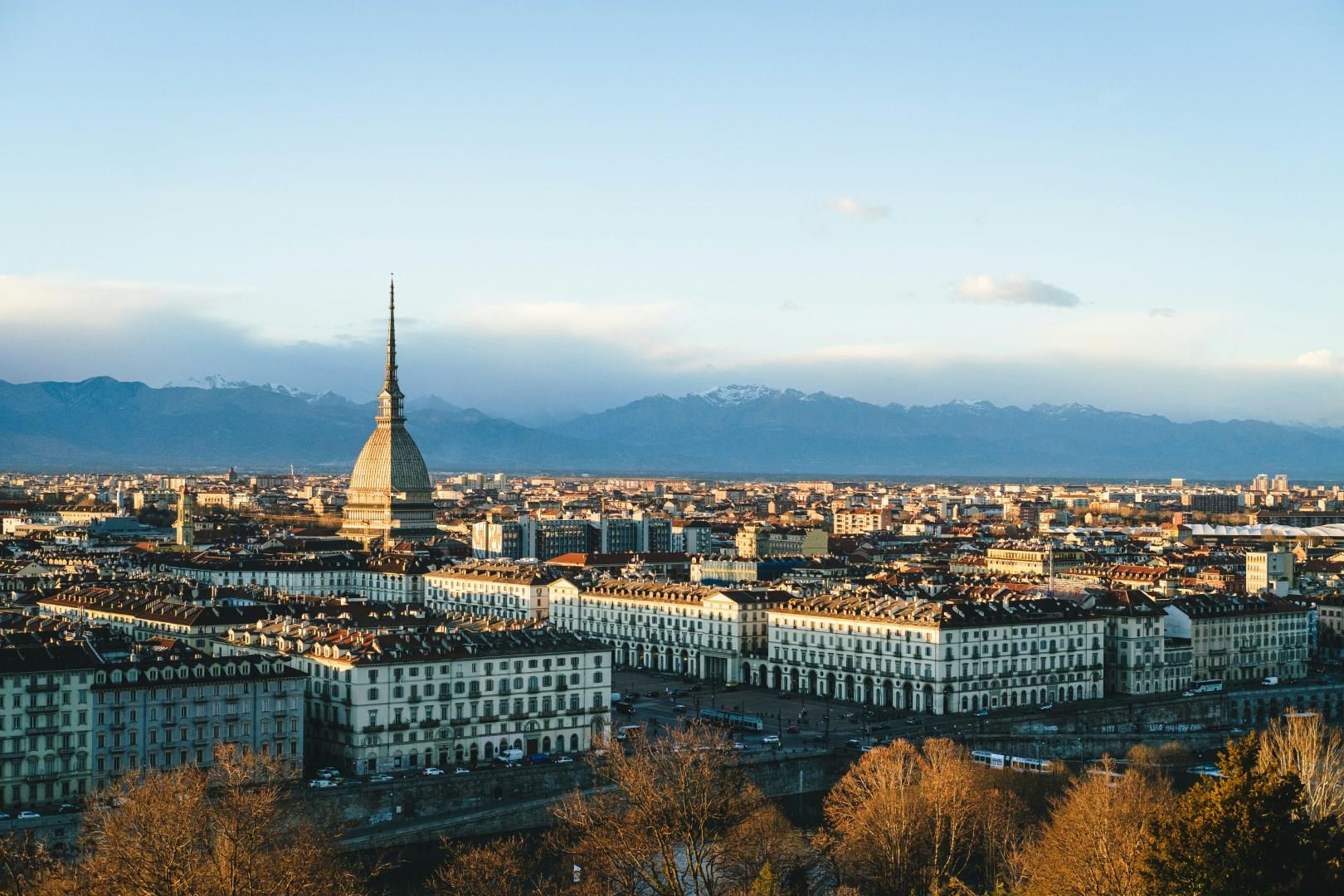
Turin carries a regal atmosphere reflected in its palaces, wide boulevards, and arcaded streets. Its history as a political and cultural powerhouse is still evident today, while its role as the birthplace of Fiat underscores its influence on modern industry.

Puntarenas
Stretching along Costa Rica’s Pacific coast, Puntarenas offers more than just sandy shores. This historic port town once served as the country’s main gateway for coffee exports in the 19th century. Today, visitors can stroll along streets that echo stories of maritime trade and explore how Puntarenas helped shape Costa Rica's economic identity.
