

Watamu
Watamu, located on Kenya’s picturesque coast, is a paradise for beach lovers and nature enthusiasts alike. Renowned for its pristine white-sand beaches and turquoise waters, Watamu is part of the Watamu Marine National Park, a protected area known for its vibrant coral reefs and rich marine biodiversity. The park is a haven for snorkeling and diving, with opportunities to see colorful fish, sea turtles, and even dolphins.
Croatia
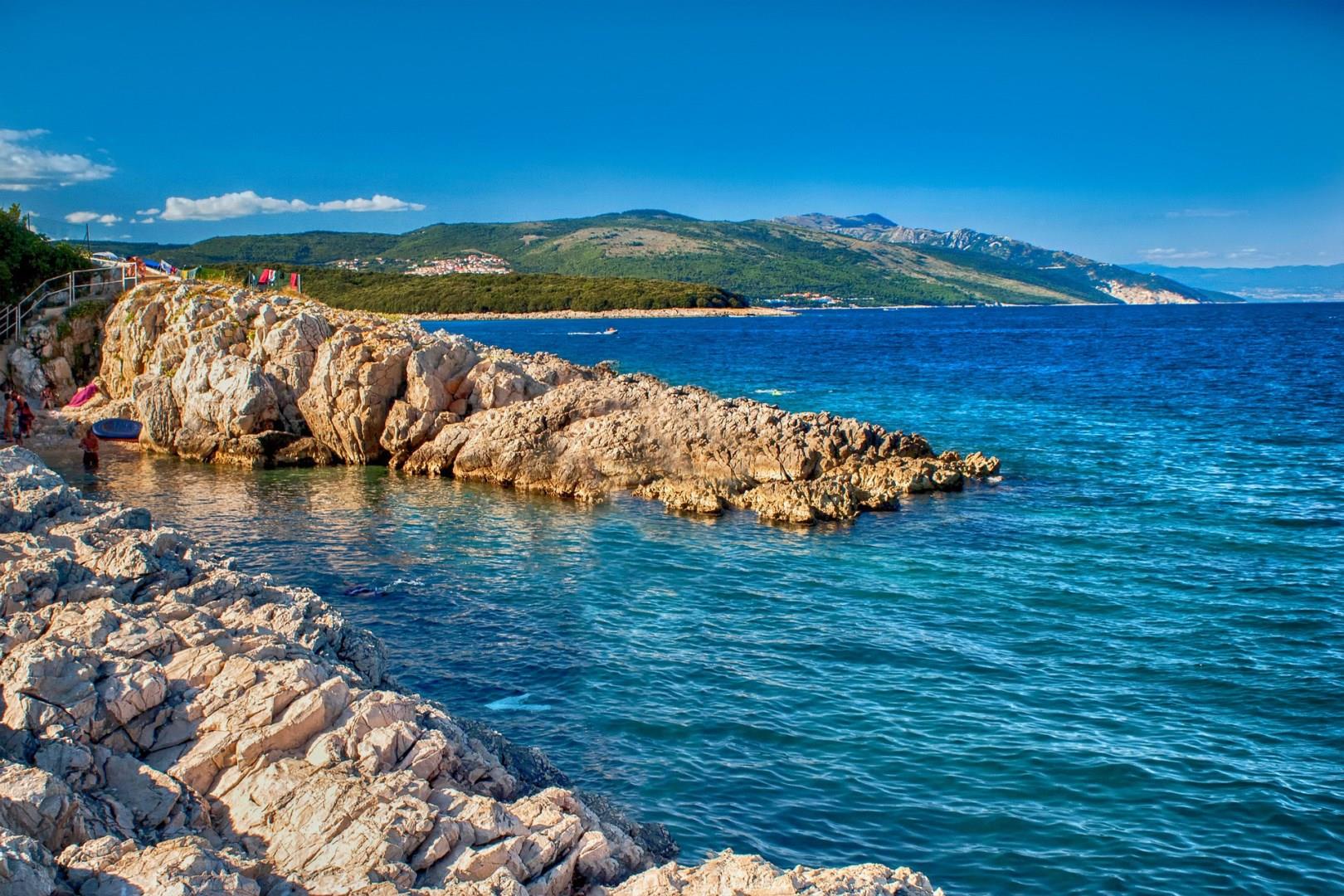
Croatia, a gem of the Adriatic coast, invites travelers to explore its stunning landscapes and rich history. The capital city, Zagreb, is a vibrant blend of medieval charm and modern sophistication. Wander through the Upper Town (Gornji Grad), where cobblestone streets lead you to the historic Stone Gate and the majestic Zagreb Cathedral. For a taste of local culture, visit Dolac Market, where fresh produce and traditional Croatian delicacies create a lively atmosphere source.
Anglesey
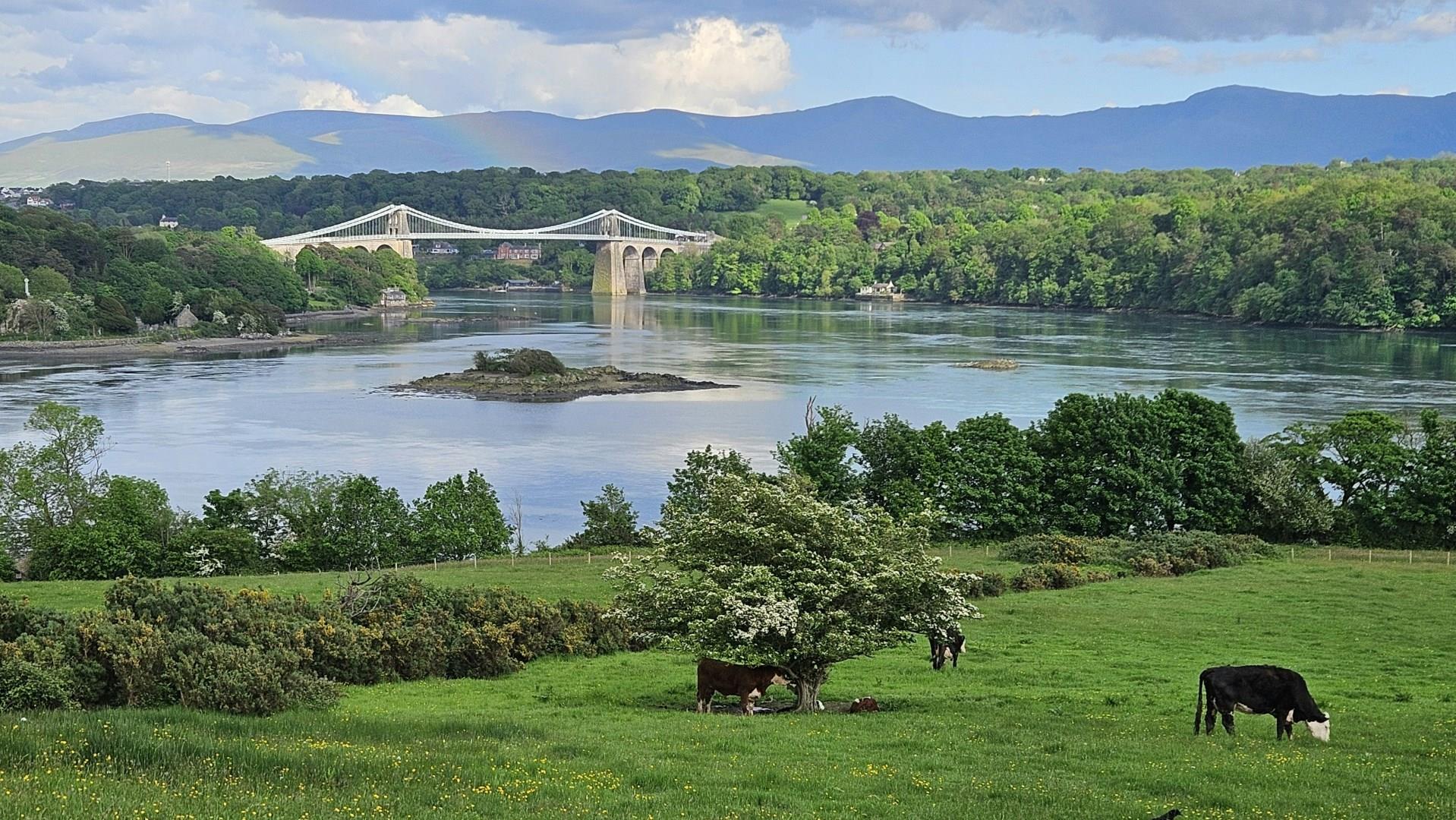
Anglesey is an island off the northwest coast of Wales with a history that stretches back thousands of years. Fertile lands and strategic coastal position made it an early center for agriculture, livestock, and maritime trade.

Portofino
Portofino, Italy, is a jewel on the Italian Riviera, famed for its colorful buildings, glamorous yachts, and charming harbor. This picturesque fishing village, with its pastel-colored houses that cascade down to the emerald-green waters, exudes a quaint yet luxurious atmosphere. The Piazzetta, the heart of Portofino, is a lively square where visitors can sip an espresso or enjoy fresh seafood while watching the elegant boats bobbing gently in the harbor.
Alphonse Atoll
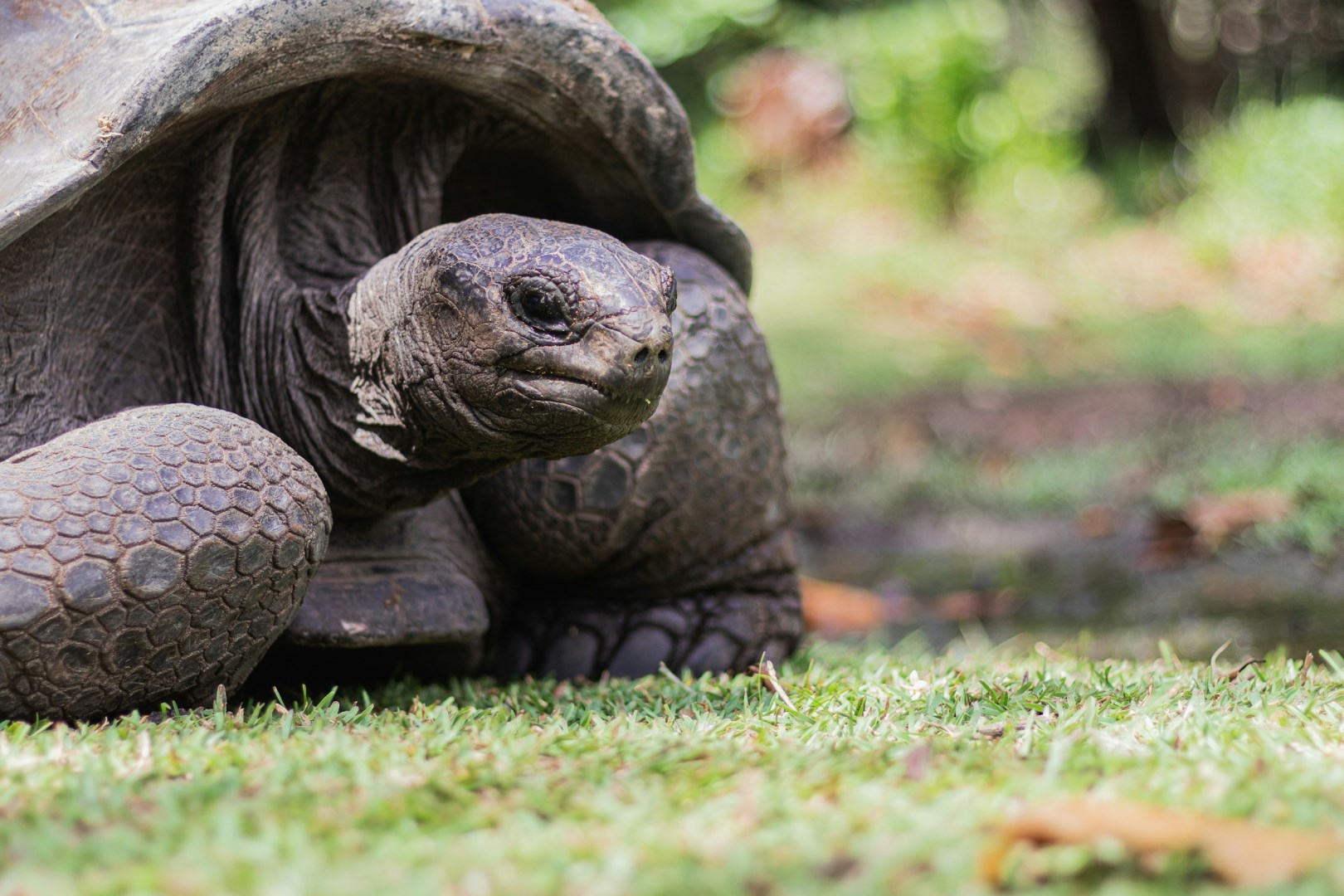
Alphonse Atoll, located in the Seychelles, is a true paradise for nature lovers and adventure seekers. This remote atoll, part of the Outer Islands of the Seychelles, is renowned for its stunning coral reefs, pristine white-sand beaches, and crystal-clear waters. The atoll is a haven for marine life, including vibrant coral formations and diverse fish species, making it an ideal destination for snorkeling and diving enthusiasts.
