

San Juan
San Juan, Puerto Rico’s capital, is a city where cobblestone streets lead to centuries-old forts and pastel-colored buildings overlook the Atlantic. The district of Old San Juan is a UNESCO World Heritage Site, known for its Spanish colonial architecture and thick stone walls that once defended the city from pirates and naval attacks. The city hosts regular events such as La Campechada, which celebrates Puerto Rican art and literature with live performances and open-air exhibits.
Maldives
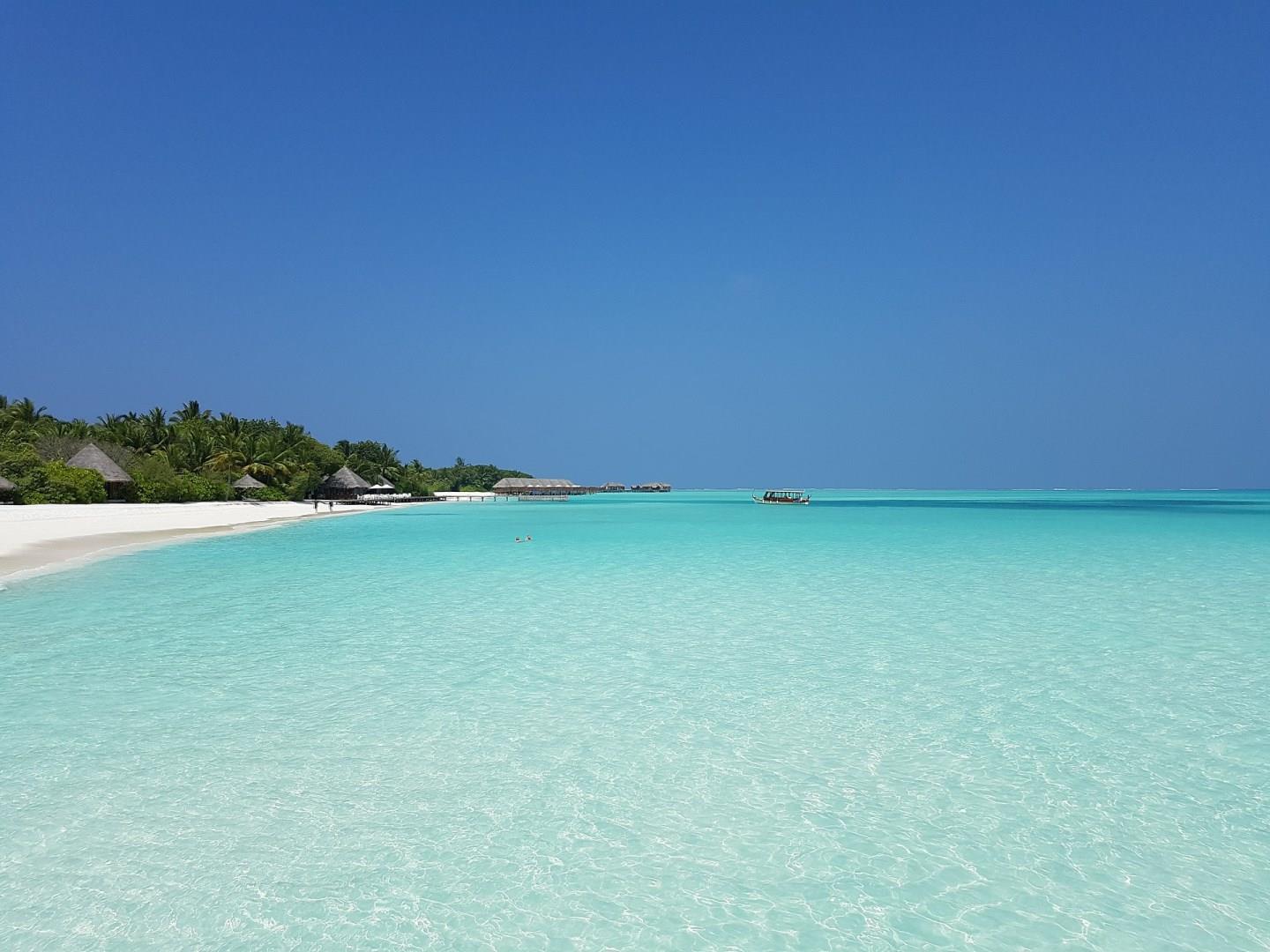
The Maldives, a nation of islands scattered across the Indian Ocean, is known for its dazzling turquoise waters, white-sand beaches, and vibrant coral reefs. Stretching across 26 atolls, this tropical paradise is often described as one of the most beautiful places on Earth.

Canada
Canada spans an immense and diverse landscape, offering experiences that range from cosmopolitan city life to some of the most pristine wilderness on Earth.
Grand Bahama Island
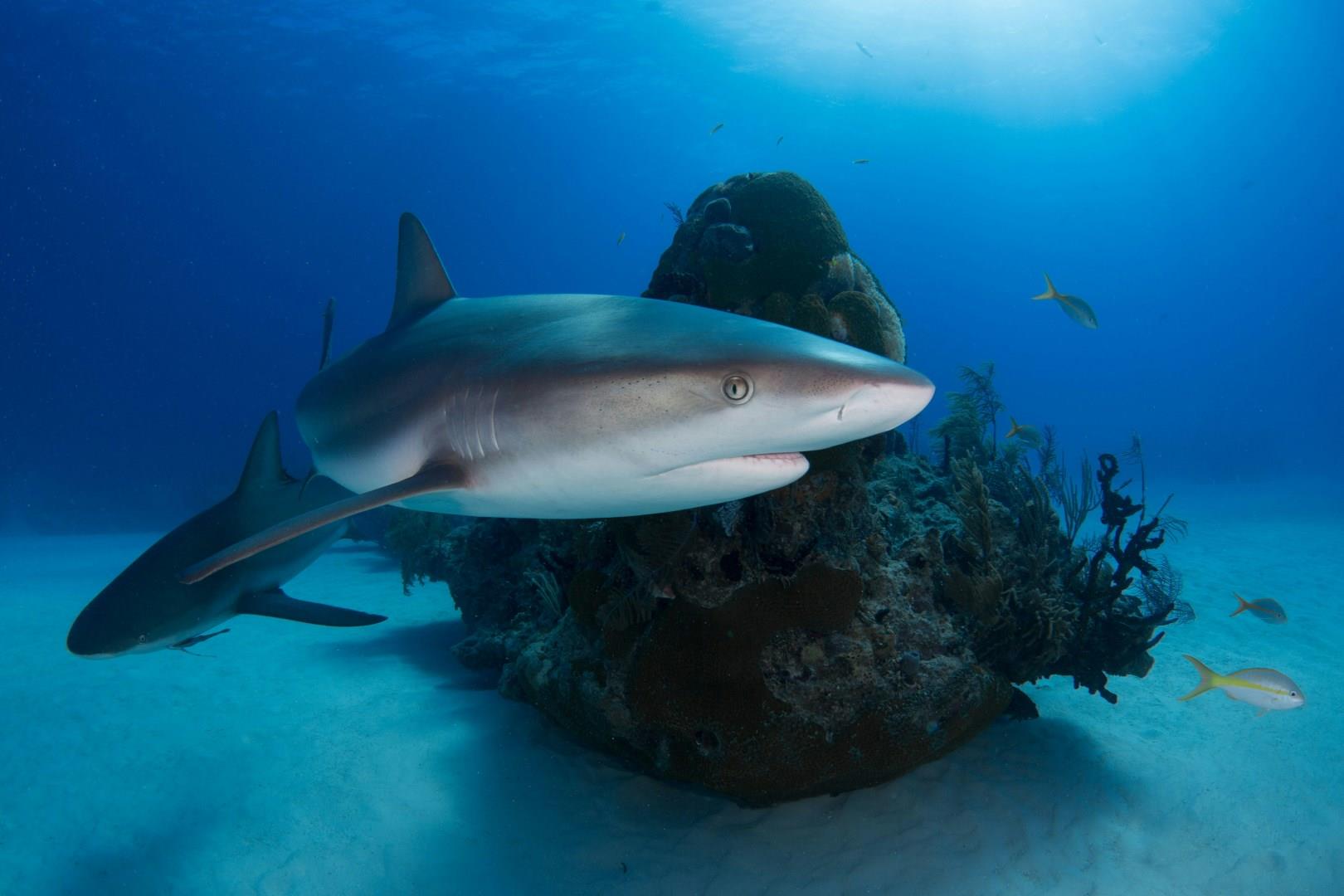
One of the most beautiful islands in the Bahamas, Grand Bahama Island is home to the renowned capitol city of Freeport/Lucaya. Grand Bahama Island offers lovely beaches, three national parks, a variety of natural wonders including an extensive system of underwater caves, and a vast array of marine life. The towns on the island range from the small and peaceful to the resort-filled city with its casinos and Bahamas entertainments.
Nevis
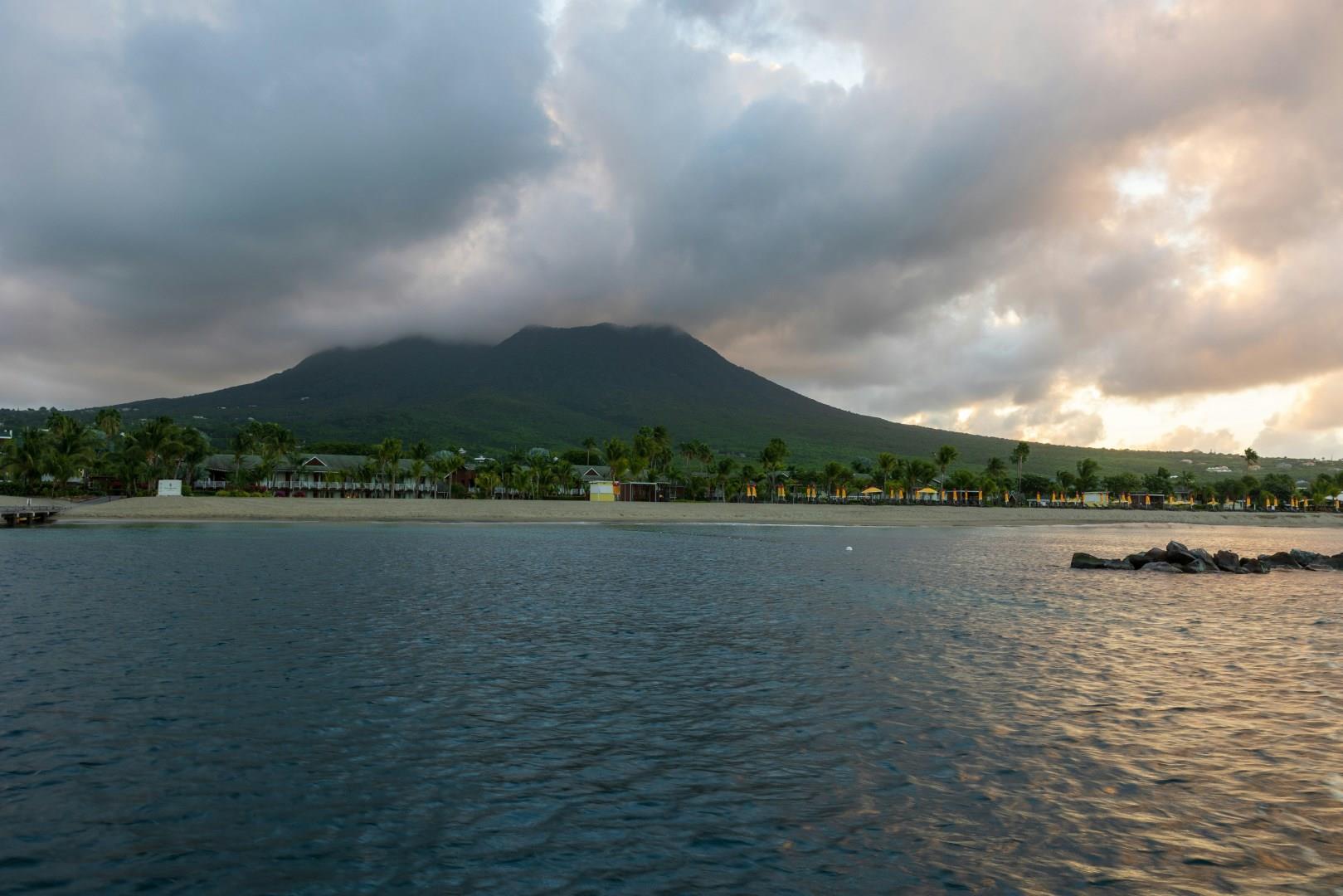
Nevis, the smaller of the two islands in the Federation of St. Kitts and Nevis, is often described as the more tranquil and unspoiled counterpart to its sister island. Dominated by the graceful silhouette of Nevis Peak, a dormant volcano rising to 985 meters, the island is ringed by golden beaches and lush hillsides.
