
Rovaniemi
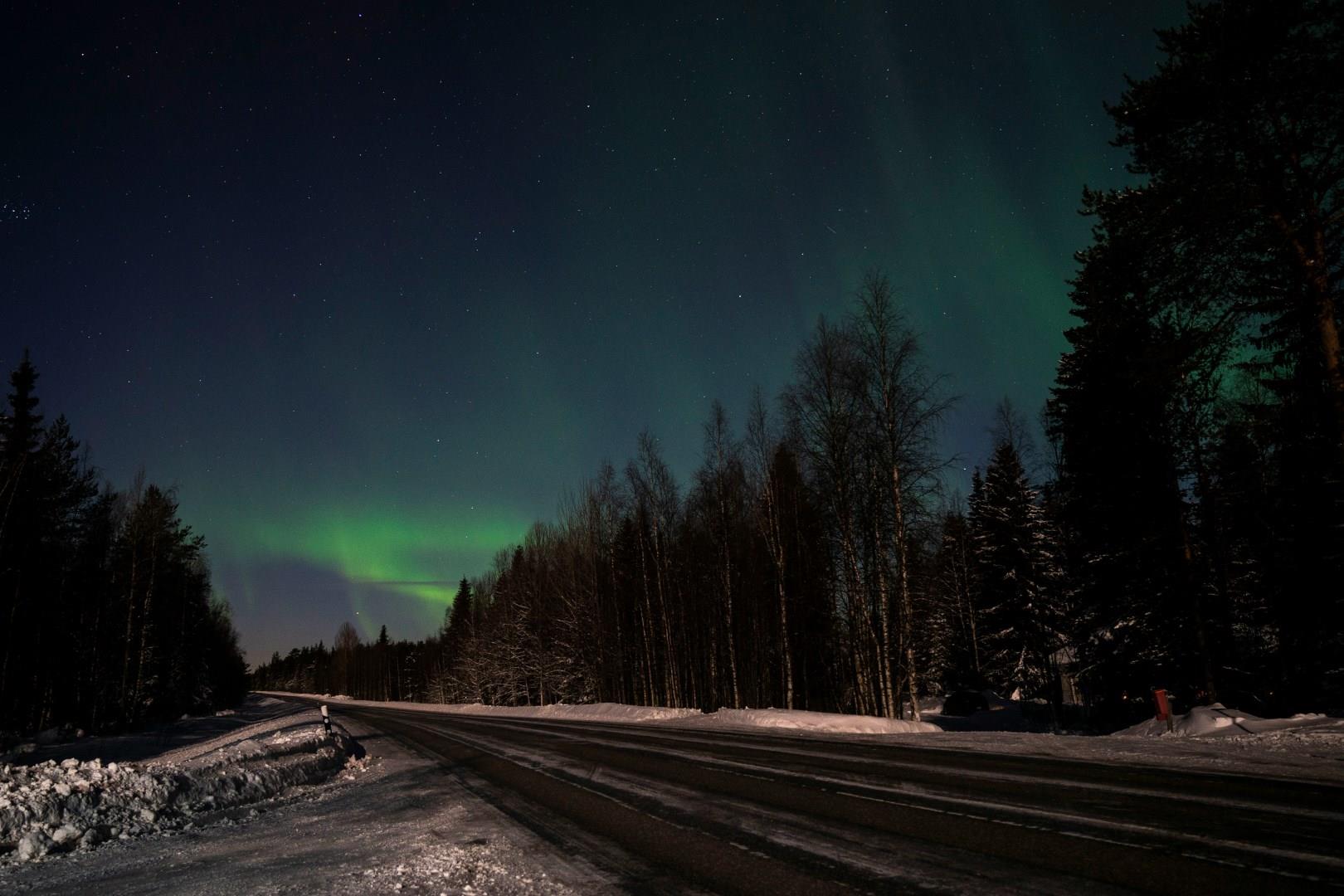
Rovaniemi, located just a few kilometers south of the Arctic Circle, is widely recognized as the official hometown of Santa Claus. From late August through early April, the Northern Lights are visible on clear nights, and several local guides offer nighttime tours to remote locations for optimal viewing. During summer, the sun doesn't set for weeks, giving travelers the rare chance to hike or kayak under a sky that stays bright at midnight.
Birmingham
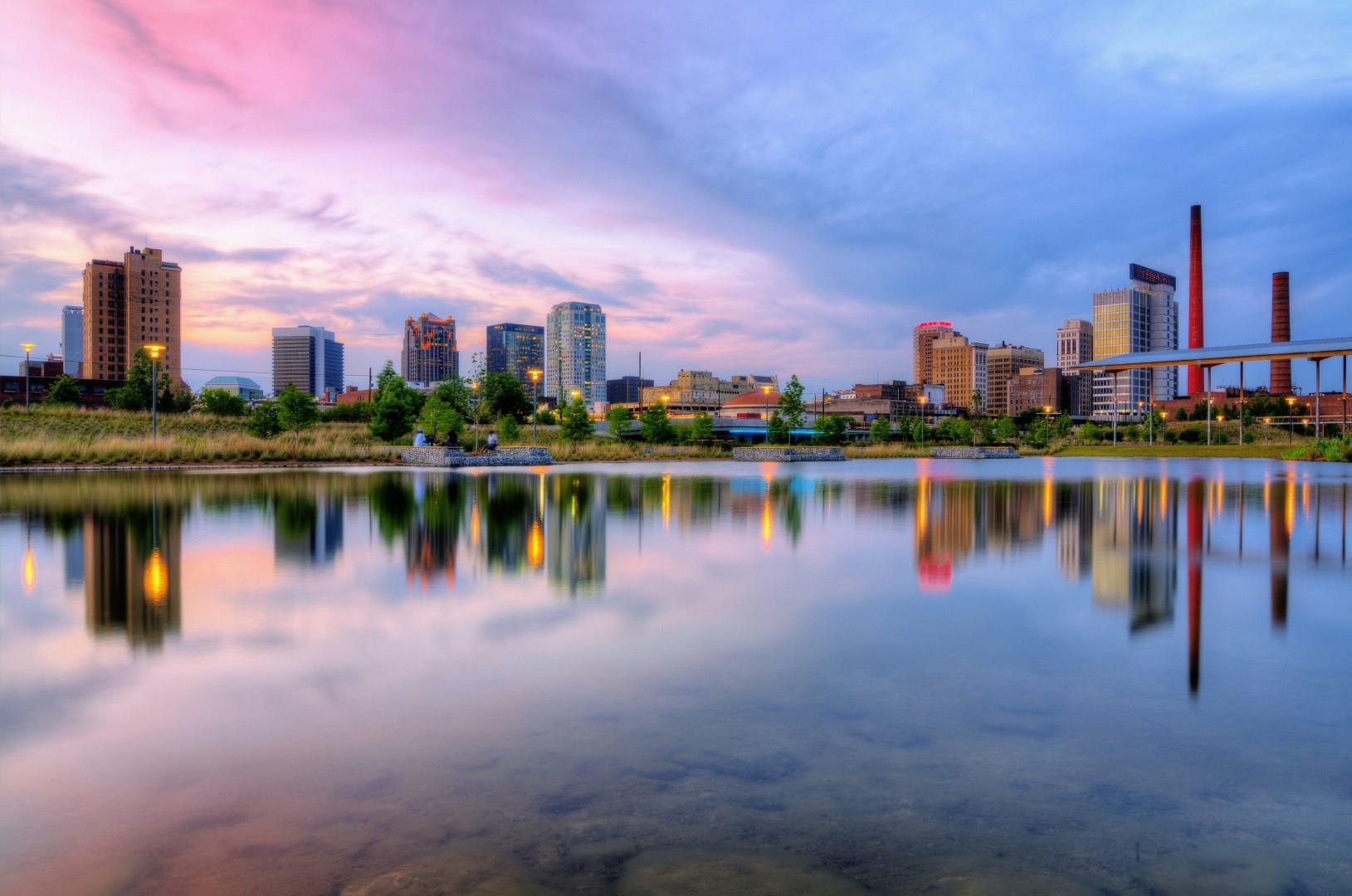
Birmingham, Alabama is a city that offers travelers a chance to experience Southern culture that’s both deeply rooted and constantly evolving. Known as the cradle of the Civil Rights Movement, the city features landmarks like the Birmingham Civil Rights Institute and the 16th Street Baptist Church, where pivotal moments in American history unfolded. The adjacent Kelly Ingram Park uses life-size sculptures to tell powerful stories of protest and resilience, making a walk through the area both mov
Lac Abbe
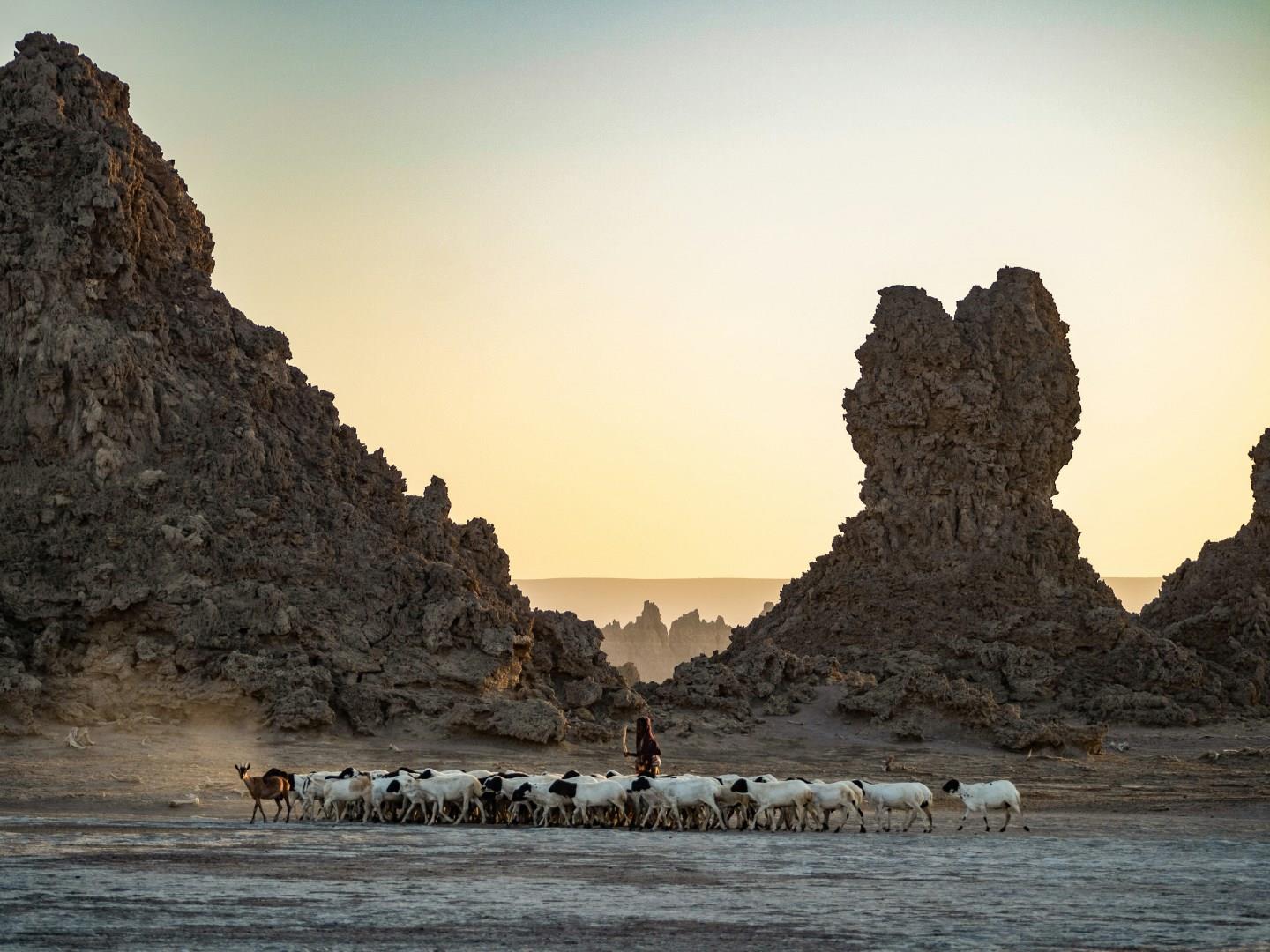
Lac Abbe, straddling the border between Djibouti and Ethiopia, is one of East Africa’s most otherworldly landscapes.

Costa Brava
The Costa Brava coastal region, in northeastern Spain, offers excellent beaches and a typical Mediterranean climate, making it an enticing holiday destination. While parts of the Costa Brava coastline have been exploited by large-scale tourist developments, other areas have retained their traditional roots.
Bishkek
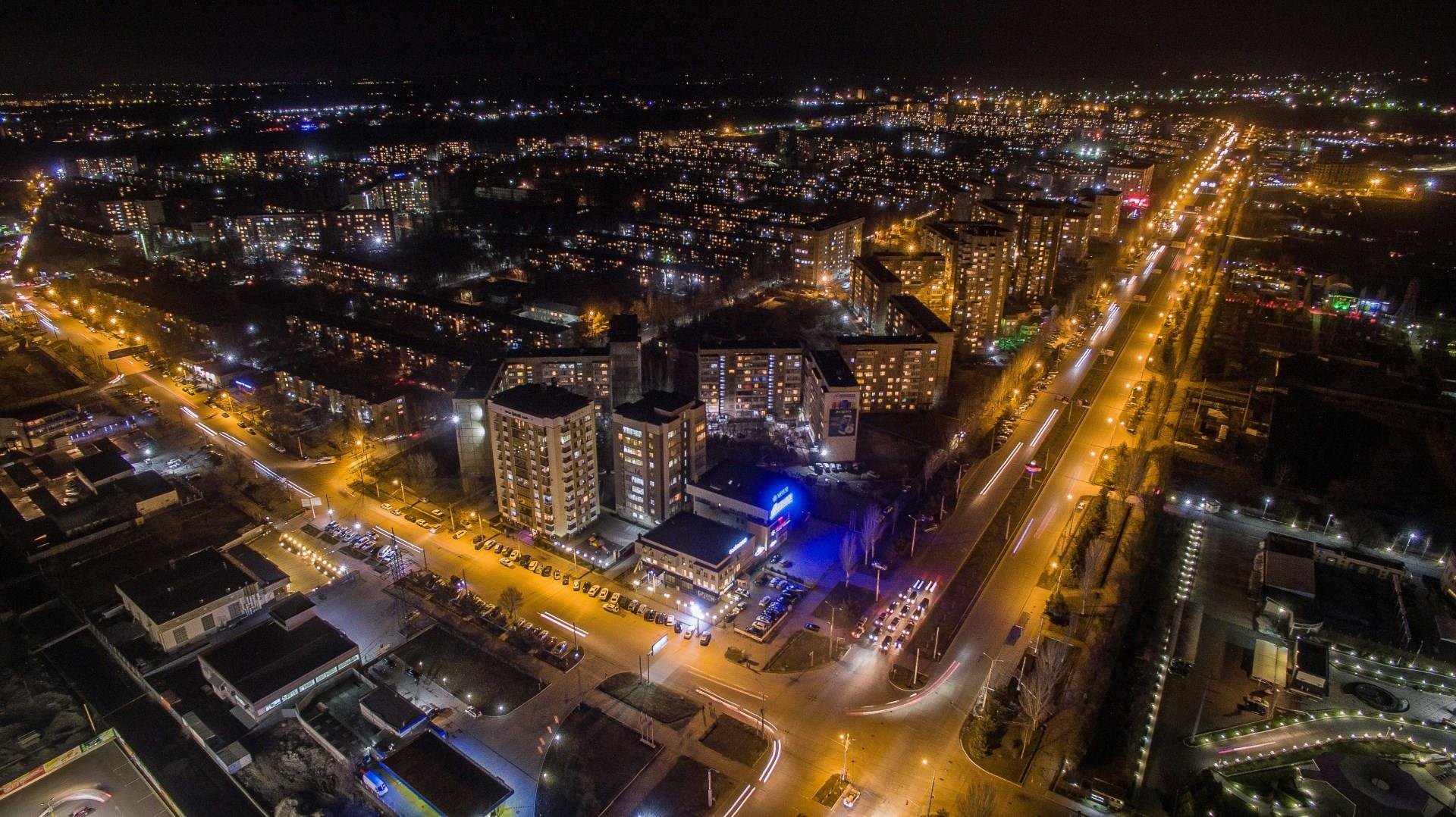
Bishkek, the capital of Kyrgyzstan, sits at the foot of the Ala-Too Mountains and serves as the country’s political, cultural, and economic center. The city is known for its wide tree-lined streets, Soviet-era architecture, and public squares.
