

Kochi
Kochi (formerly Cochin), is a port city on the southwest coast of India and is a frequent stop for cruise ships. Known as the "Gateway to Kerala," Kochi's beaches, delectable seafood, expansive malls, historical sites, and museums make it a popular tourist destination.
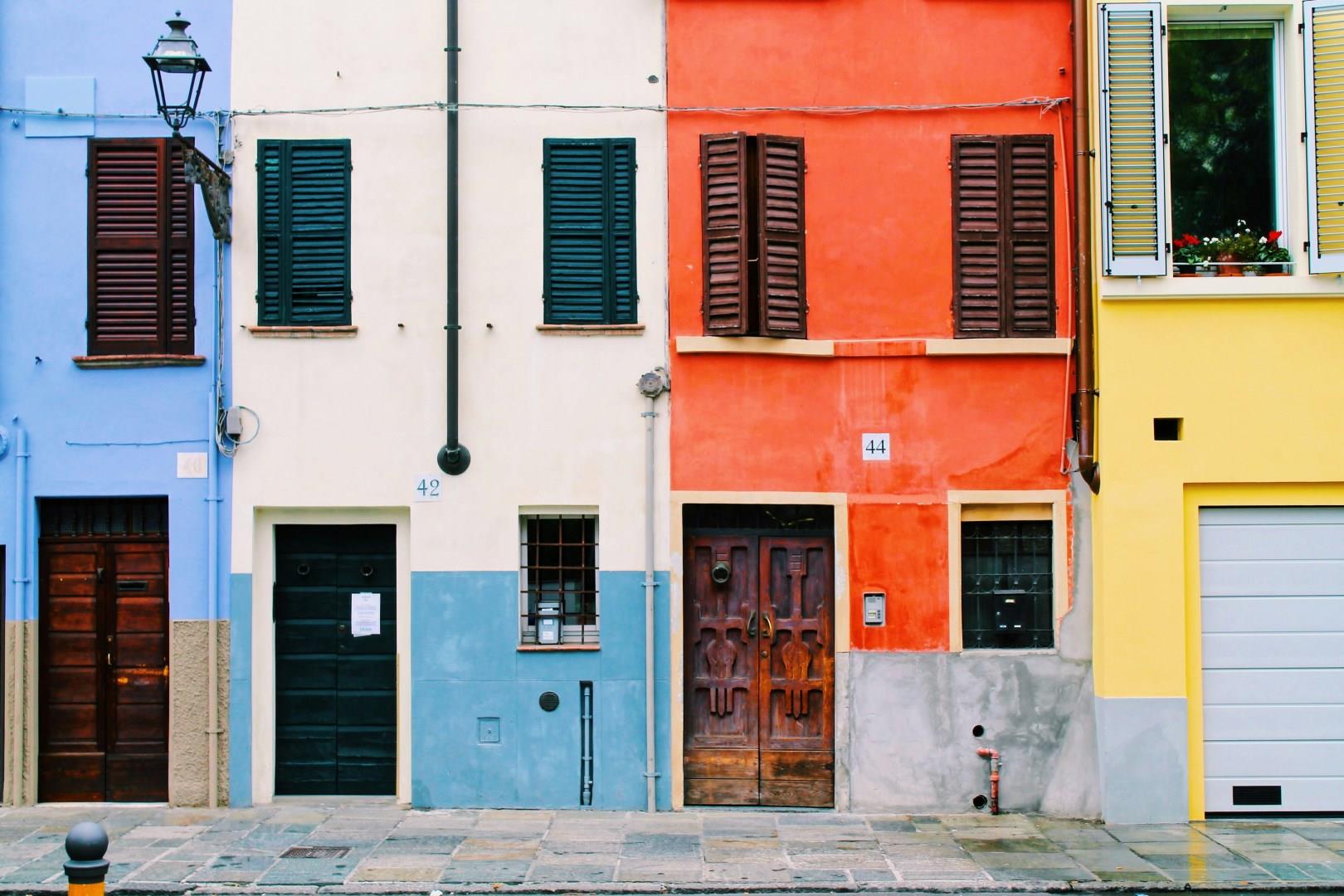
Parma
Parma, in Italy’s Emilia-Romagna region, is a city where art, history, and gastronomy intertwine. Known worldwide as the birthplace of Parmesan cheese and Parma ham, the city has long been a culinary capital, but its cultural depth extends far beyond the table.

Inside Passage
This coastal route runs between the Gulf of Alaska and Puget Sound, and is a popular route for cruise ships. Cruise passengers can expect to see a breathtaking amount of wildlife, as well as Ketchikan, Wrangell, Prince of Wales, Sitka, Juneau, Haines, Skagway and Glacier Bay.

Český Krumlov
Český Krumlov, a picturesque city in the Czech Republic, is a treasure trove of medieval charm and architectural splendor. Nestled in the South Bohemian Region, this UNESCO World Heritage Site is renowned for its stunning Český Krumlov Castle, which towers over the city and offers panoramic views of the winding Vltava River and the old town's red-tiled rooftops.
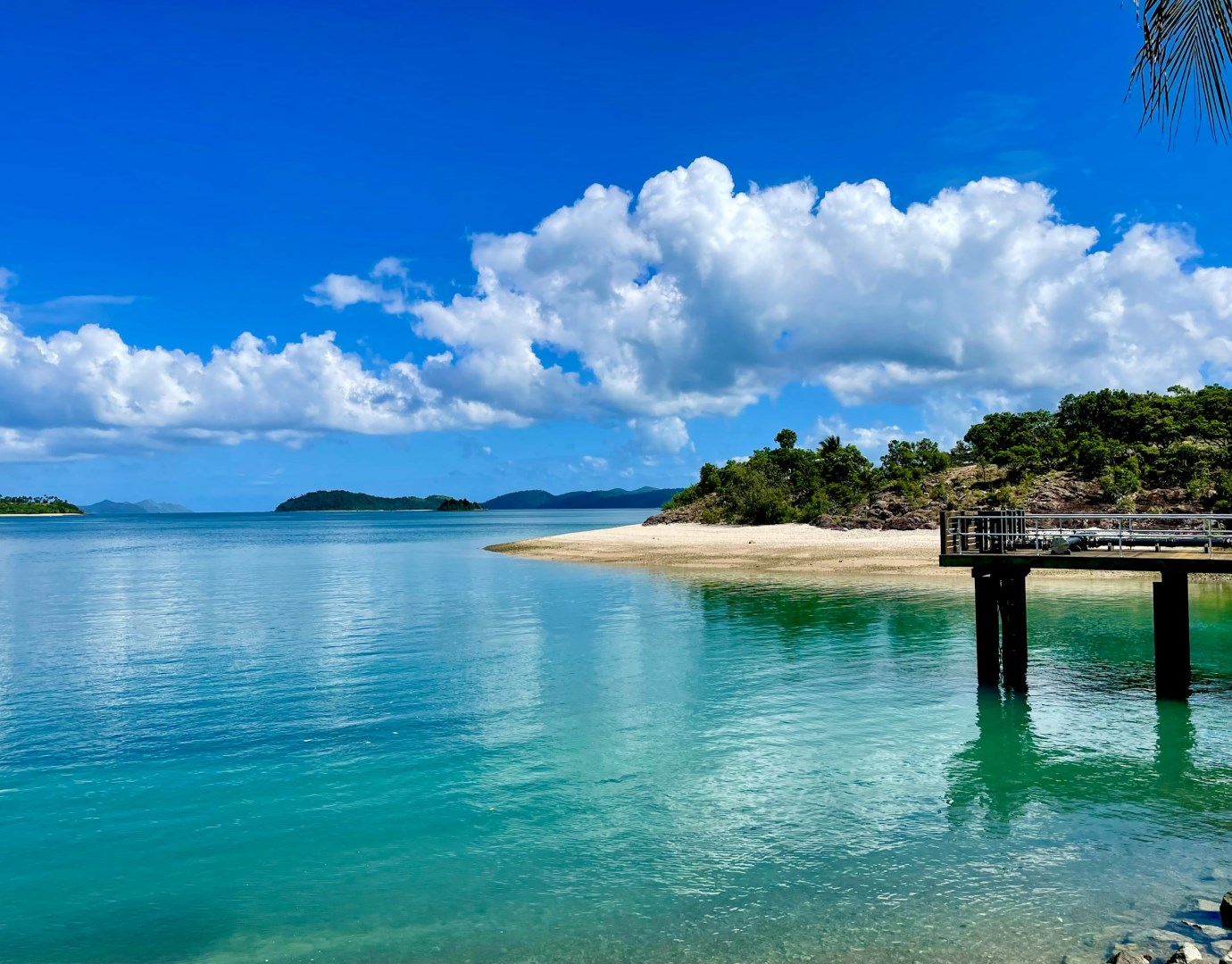
Hamilton Island
An island off the northeast coast of Australia, south of Whitsunday Island, and part of the Cumberland Island Group.
