

Las Vegas
Las Vegas, Nevada, is an electrifying city where glitz and glamour meet entertainment and excitement. Known as "The Entertainment Capital of the World," Las Vegas offers an unparalleled array of attractions, from its iconic casinos and luxurious hotels to its world-class dining and live shows. The city's entertainment scene is second to none, featuring legendary headliners, cutting-edge performances, and an array of themed attractions.

Lisbon
Lisbon, the enchanting capital of Portugal, entices sightseers with its vibrant color, stunning Gothic architecture, and temperate weather. Easily traversed by foot or tram, the city’s distinct quarters and vivid cultural landmarks make Lisbon an excellent spot for exploration.
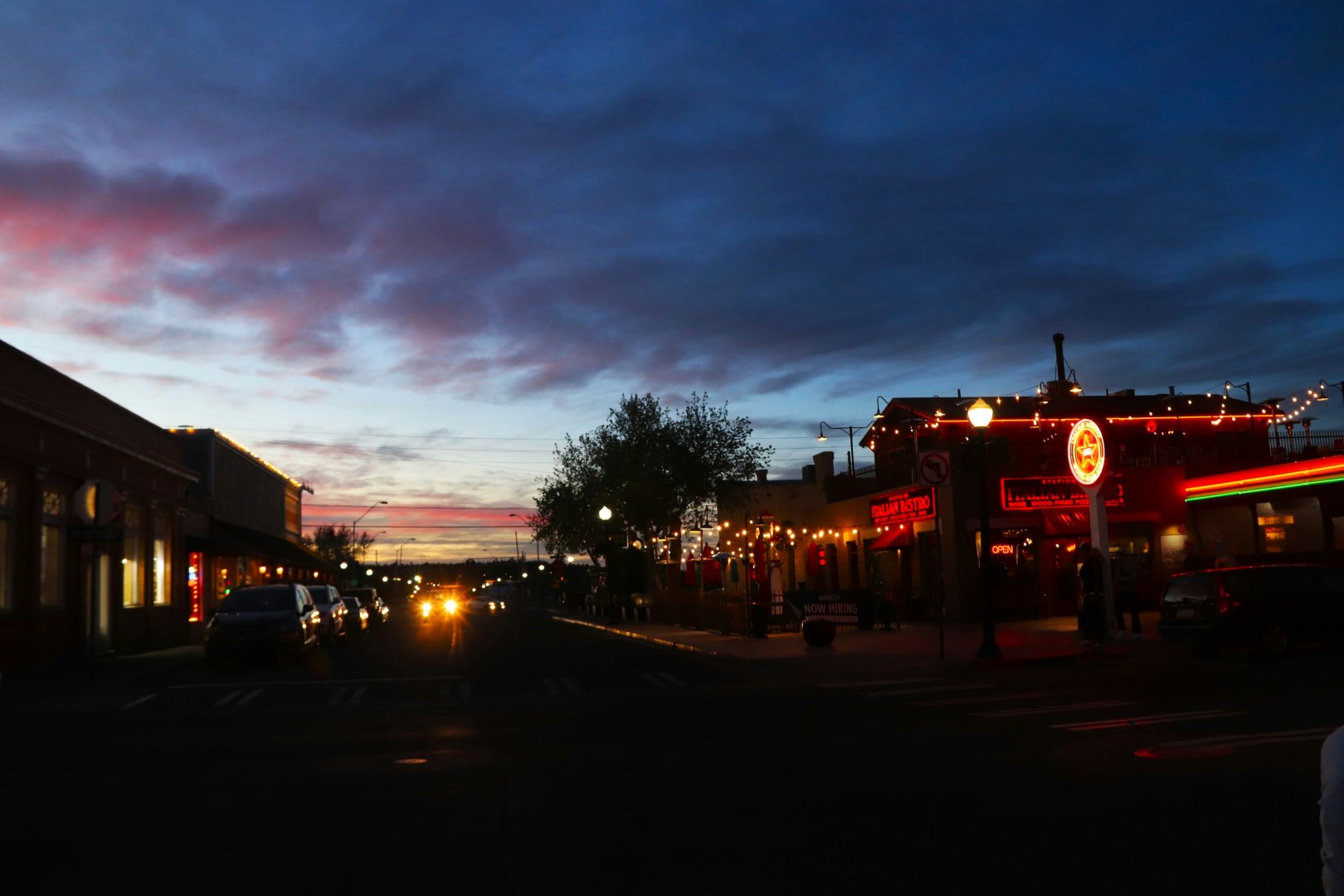
Williams
Williams is a small city in northern Arizona, located along historic Route 66 and near the edge of the Kaibab National Forest. It is often known as the “Gateway to the Grand Canyon” due to its role as a departure point for the Grand Canyon Railway.
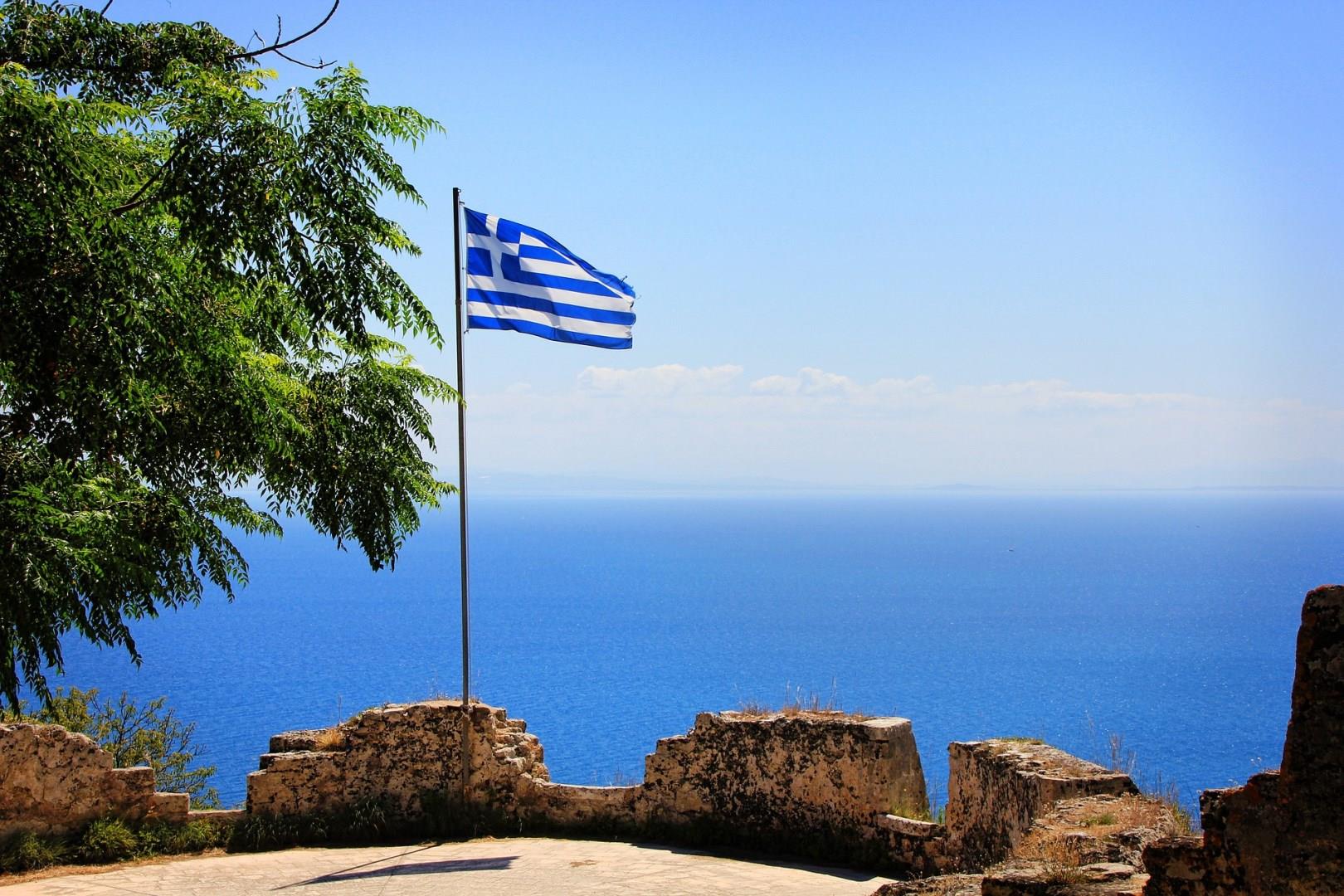
Greece
Greece is a country where layers of history sit side by side with everyday life. In Athens, visitors can stand at the foot of the Acropolis and look up at the Parthenon, built more than 2,400 years ago, then walk a few blocks to modern cafes buzzing with conversation and music. The city’s neighborhoods, like Plaka and Monastiraki, offer both ancient ruins and small family-run shops selling handmade sandals and olive oil soap.
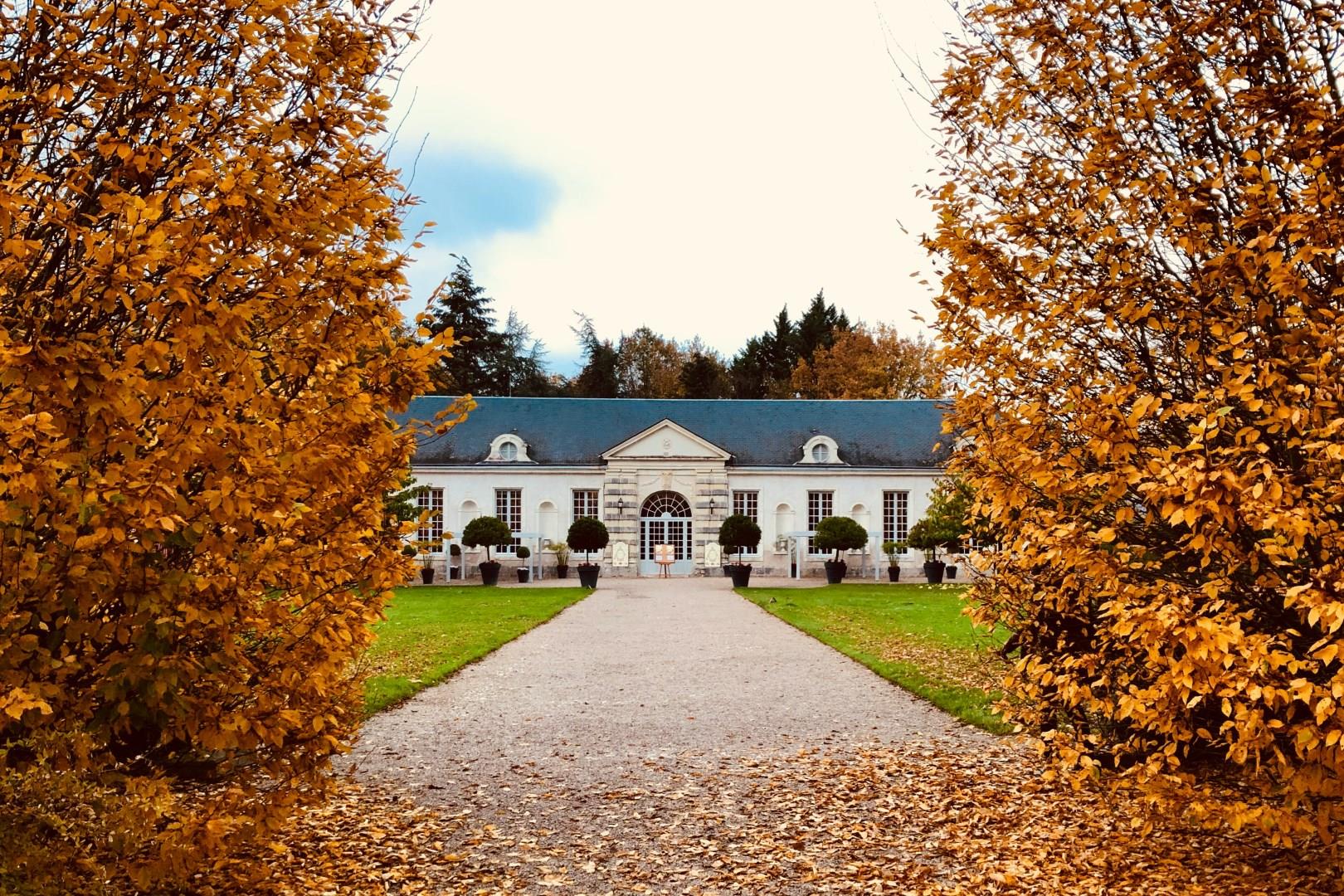
Loire Valley
The Loire Valley stretches along the gentle curves of France’s longest river, a place where riverside towns, historic estates and vineyards have shaped daily life for centuries. This long stretch of landscape was recognized as a UNESCO World Heritage Site because of its remarkable cultural landscape, which includes towns like Tours, Blois, Amboise and Saumur and a tapestry of castles standing beside the river banks.
