
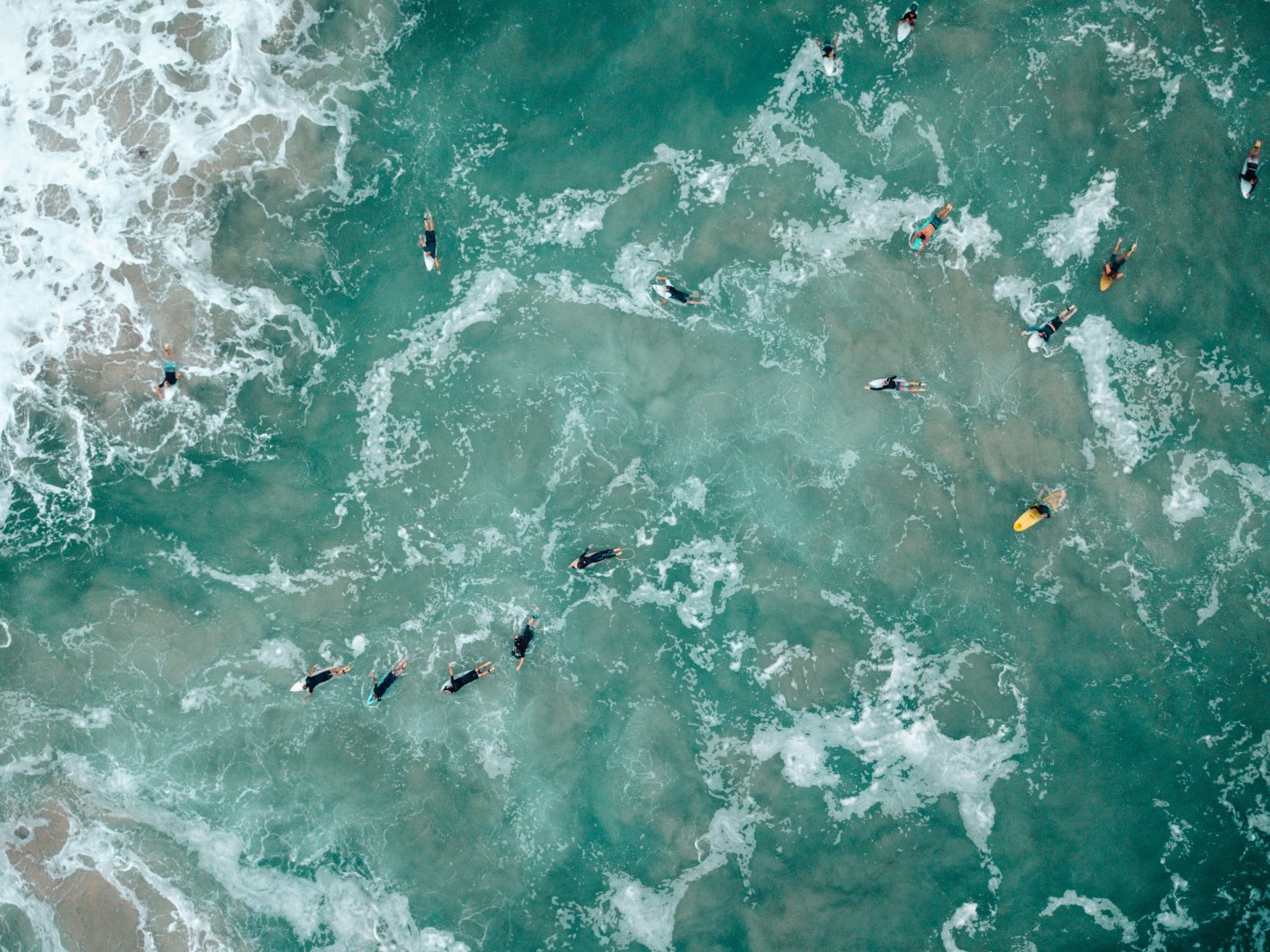
Gold Coast
Australia's Gold Coast is the ideal holiday place for people on the go, or on a go-slow. In one day you can enjoy surfing on golden beaches, bushwalking in subtropical rainforests, cruising down oceanfront boulevards in a fun convertible, or taking a dinner cruise aboard a luxury yacht.
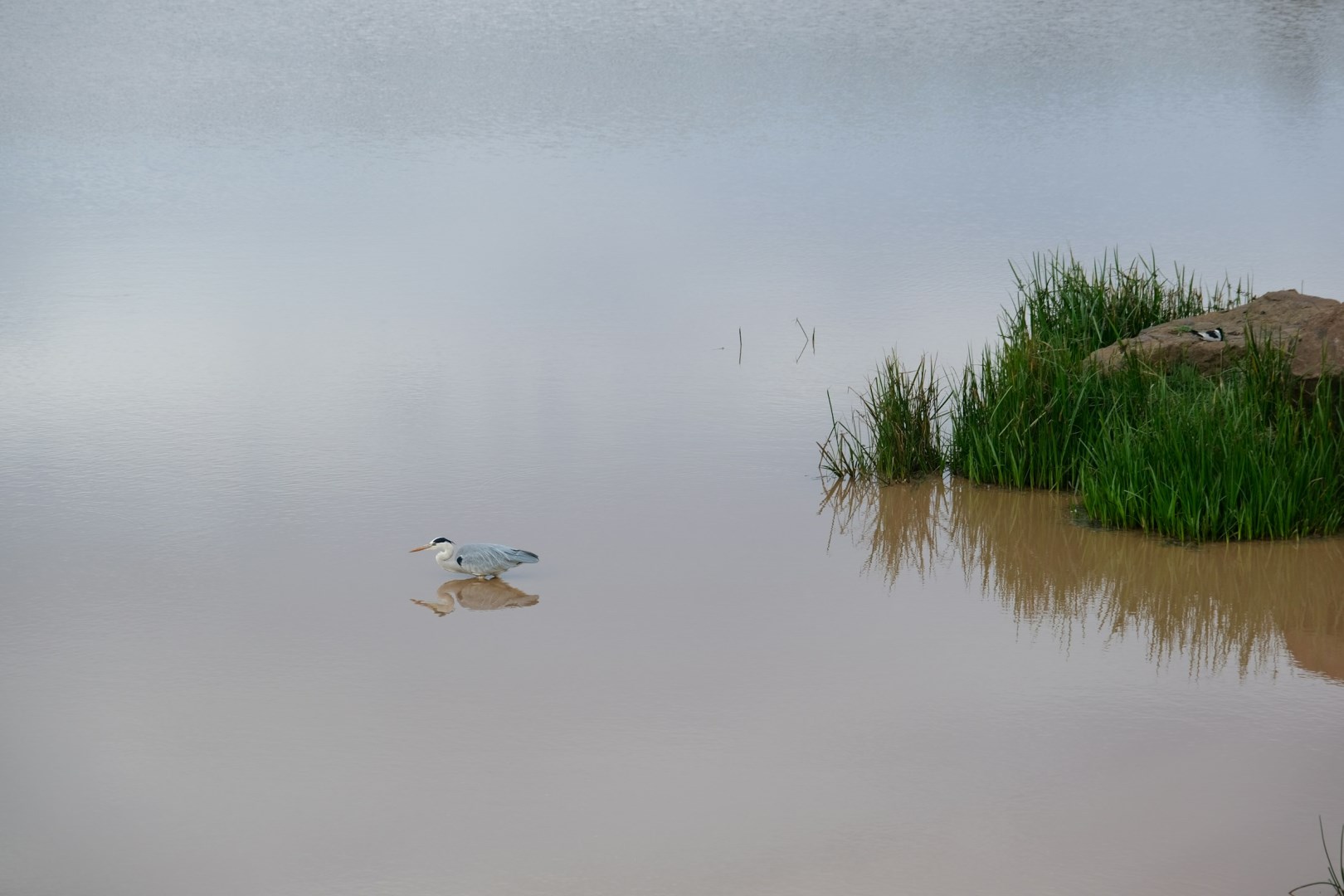
Aberdare National Park
Aberdare National Park is a 311 square mile sanctuary on an isolated volcanic massif which forms part of the eastern wall of the Rift Valley. Part of the larger forest reserve, the Aberdares are covered with a dense rainforest and provide spectacular views over the Rift Valley. Bird life is abundant with more than 200 species.

Ontario
Ontario is Canada's most densely populated province, harboring such cosmopolitan cities as Toronto and Ottawa. Millions of tourists come into Ontario every year, and industry and farming are the chief industries along the Great Lakes.

Baltimore
Baltimore's unique blend of historical significance, cultural richness, and scenic beauty makes it a must-visit destination. Whether you're exploring its museums, enjoying its waterfront, or diving into its historical roots, Baltimore offers an engaging and memorable experience.
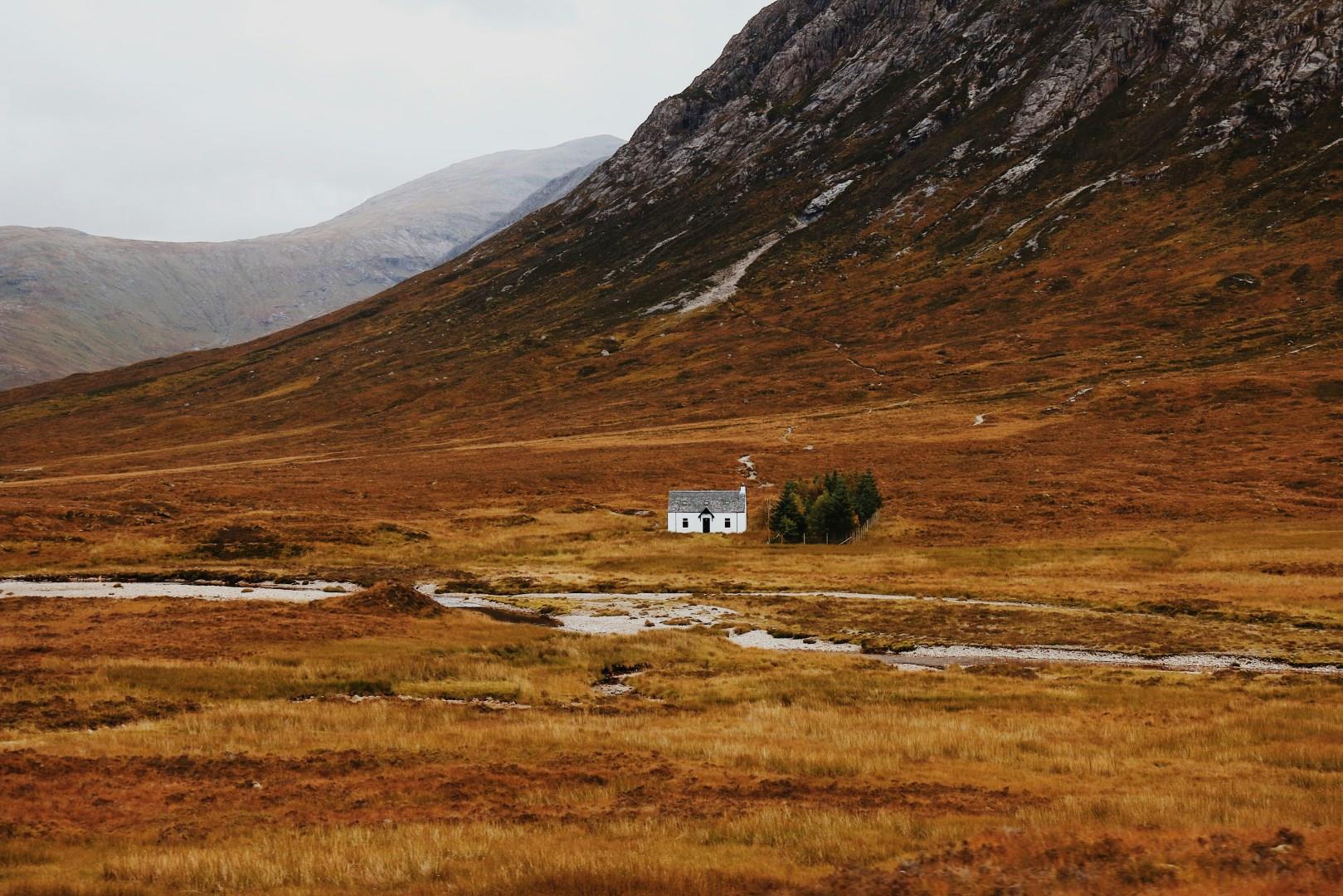
Glencoe
Glencoe lies in the western Highlands of Scotland, where a long, steep-sided valley cuts through mountains shaped by ancient volcanic activity and glaciation.
