
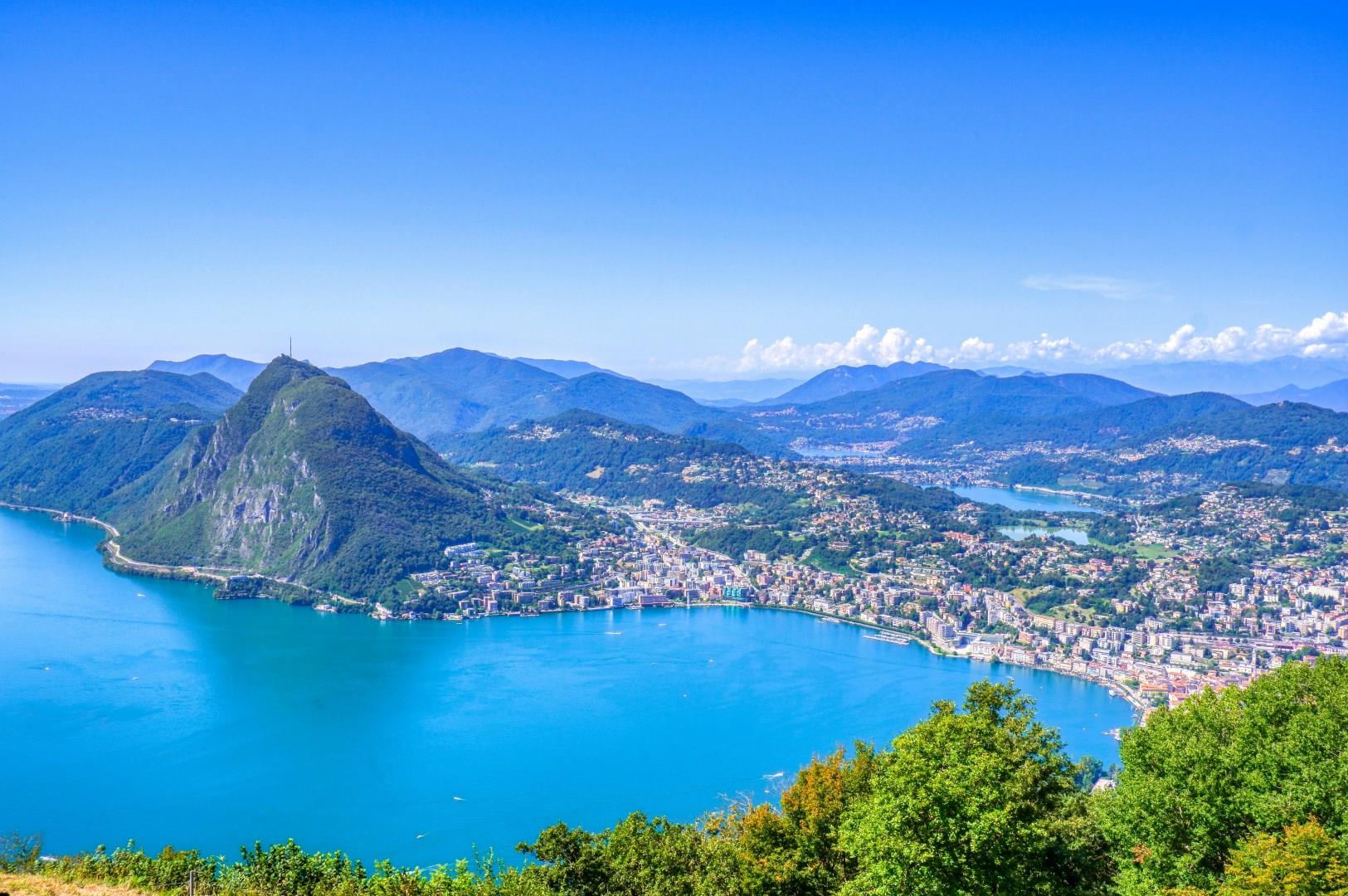
Lugano
Lugano, tucked into Switzerland’s Italian-speaking Ticino region, blends Mediterranean flair with Alpine elegance. The city sits on the northern shore of Lake Lugano, its pastel-colored villas and palm-lined promenades framed by surrounding mountains such as Monte Brè and Monte San Salvatore.

Saudi Arabia
Saudi Arabia is revealing chapters long unseen by tourists. Al-Ula is home to Hegra, the first UNESCO World Heritage Site in the kingdom and hosts to ancient Nabatean tombs carved in sandstone cliffs. Nearby, the mirrored Maraya Concert Hall reflects the desert sky, its design both unexpected and elegant amid the sands. Visitors can wander through narrow canyons, step inside rock-hewn facades, and feel the weight of ancient civilizations still echoing across the dunes.

Norway
Norway offers a landscape shaped by glaciers, framed by fjords, and steeped in Viking history. The country's coastline stretches for over 100,000 kilometers if you count every inlet and island, which makes it one of the longest in the world. Travelers can take a ferry through the Geirangerfjord or cruise along the Lofoten Islands, where steep mountain peaks rise dramatically from the sea. These routes aren’t just scenic; they’ve been lifelines for coastal communities for centuries.

Glacier Bay
Glacier Bay’s untouched beauty will astound you. A National Park and Preserve, as well as a UNESCO World Heritage site, it is covered with stunning tidewater glaciers and a variety of native flora and fauna. Be on the lookout for the variety of eye-catching wildlife, including eagles, moose, and humpback whales, who have made Glacier Bay home.
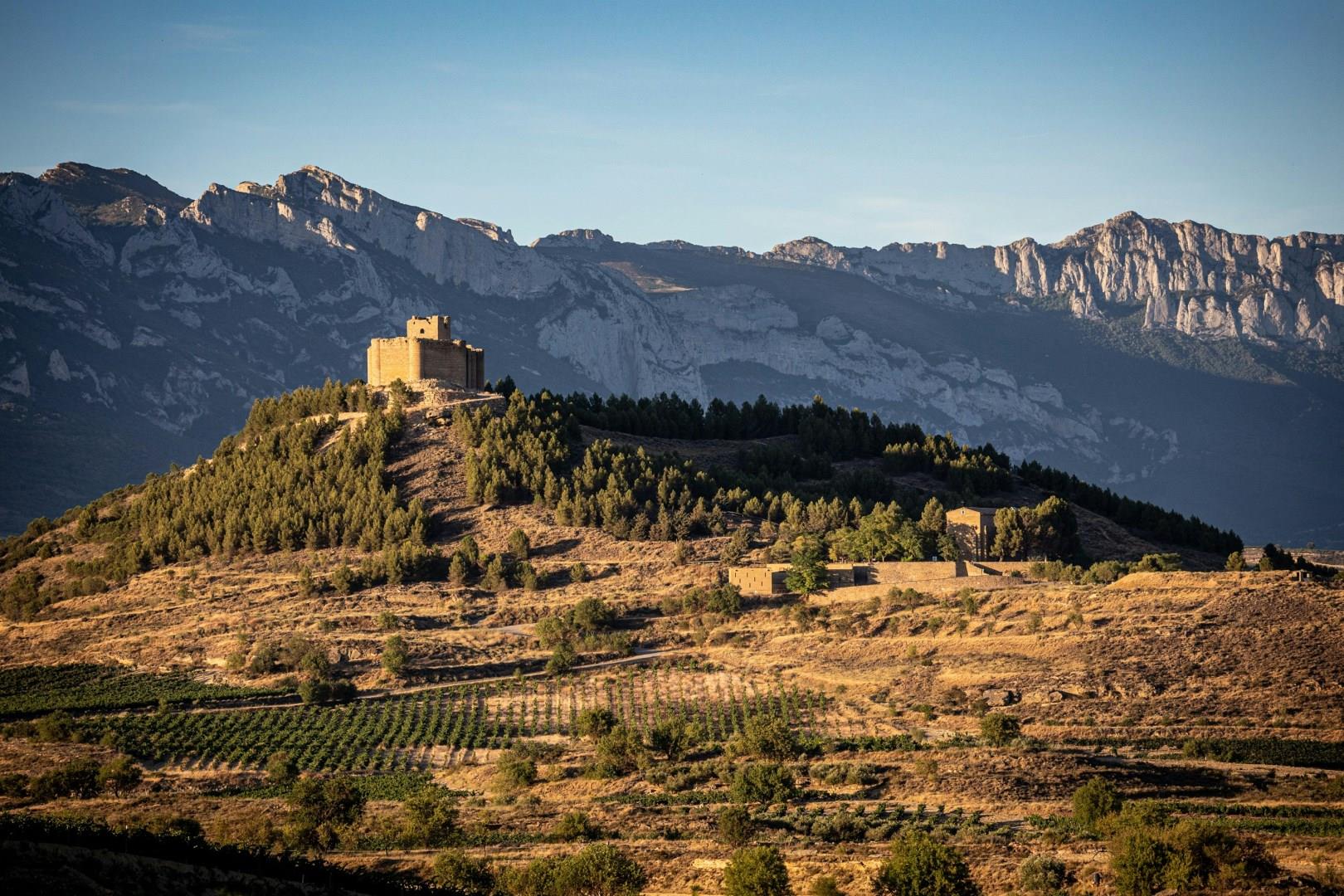
La Rioja
La Rioja, located in northern Spain, is best known for its wine, but the region offers much more than vineyard views. Its capital, Logroño, sits along the Camino de Santiago and has welcomed travelers for centuries. The city’s historic center is compact and lively, with narrow streets lined by centuries-old churches, pintxo bars, and quiet plazas.
