

Normandy
Normandy is a province along the Northwestern coast of France. It was the site of the important World War II landings and battle and one of the most fascinating regions of France. This land is rich in legend and scenic splendor. Visit coastal villages, museums, fortresses and fragrant gardens.
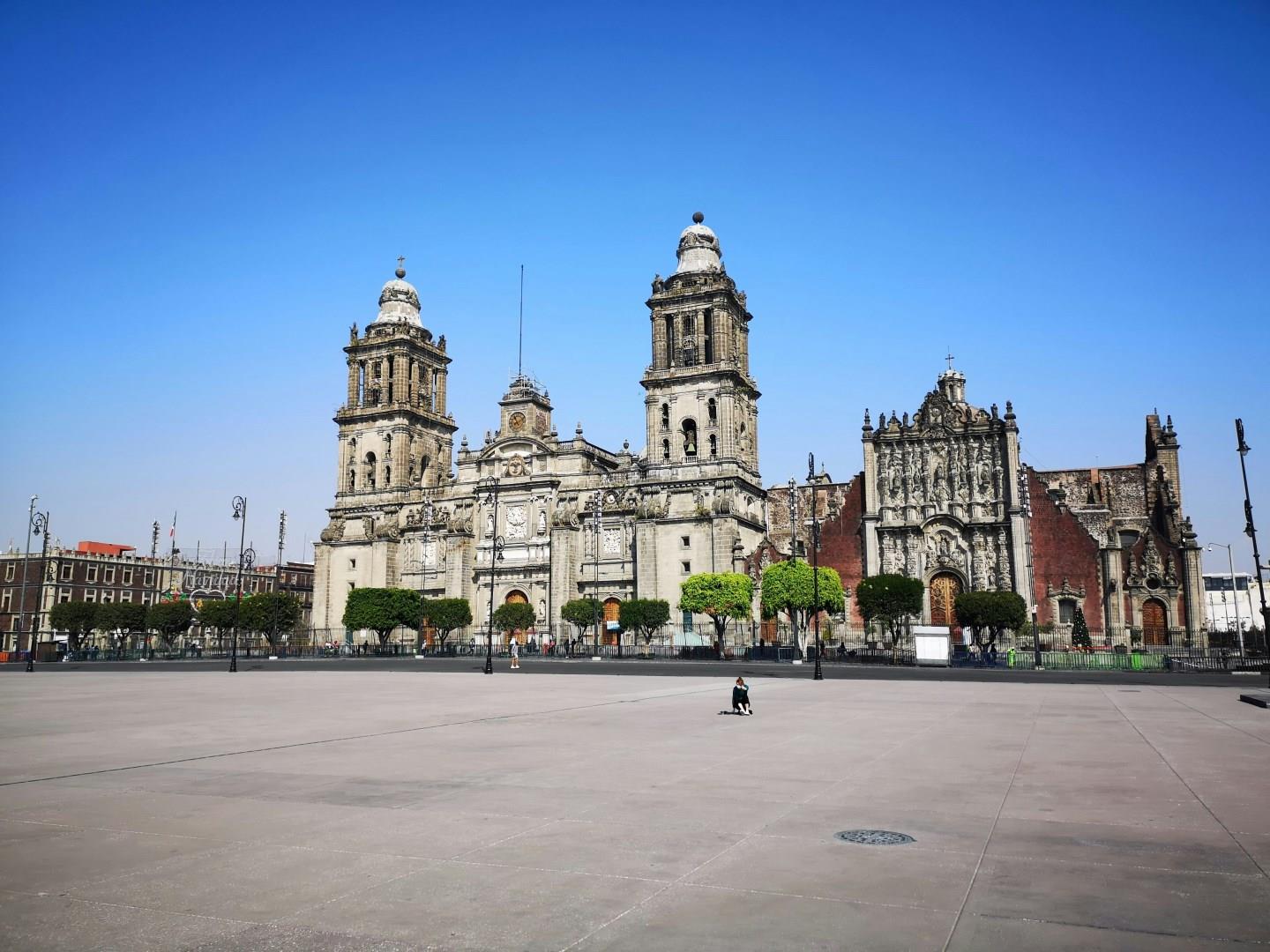
Mexico City
Mexico City sits on the high plateau of central Mexico, layered with more than seven centuries of history and culture. Built atop the ruins of the Aztec capital Tenochtitlán, the city reflects a continuous dialogue between Indigenous foundations, Spanish colonial influence, and modern urban life.

Dominica
Dominica, known as the “Nature Island of the Caribbean,” is a haven for eco-tourists and adventure seekers. Nestled between the French islands of Guadeloupe and Martinique, this lush island boasts a remarkable landscape of volcanic mountains, dense rainforests, and stunning waterfalls. Dominica’s most iconic natural wonder is the Boiling Lake, the second-largest hot spring in the world.

Mongolia
Mongolia, a landlocked nation between Russia and China, is defined by vast steppes, dramatic mountain ranges, and the sweeping expanse of the Gobi Desert. Known for its nomadic traditions, the country preserves a way of life that has endured for centuries.
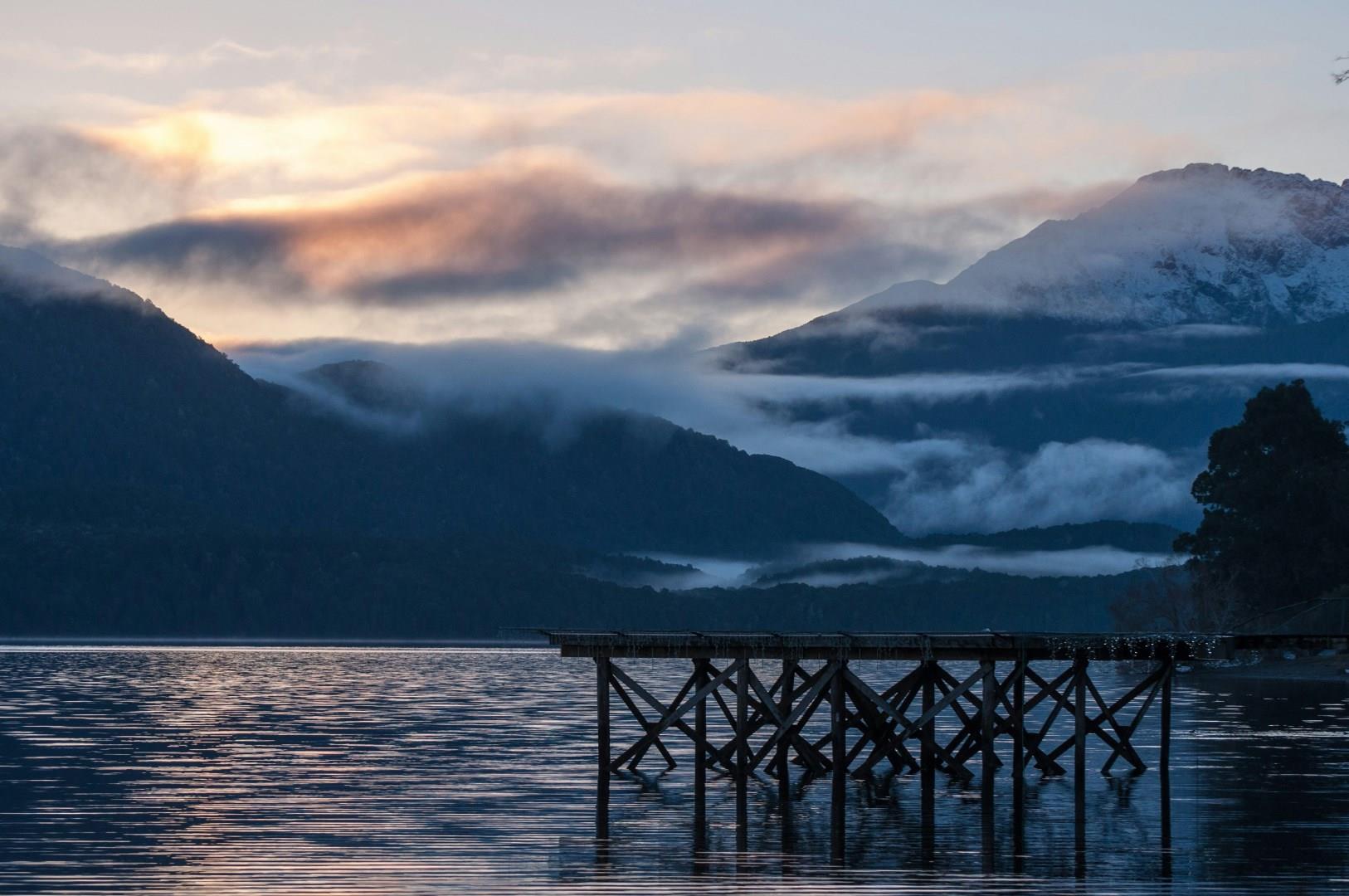
Te Anau
Te Anau sits on the edge of New Zealand’s second-largest lake, acting as the unofficial gateway to Fiordland National Park. While it’s often viewed as a starting point for trips to Milford Sound, the town itself offers a slower, more scenic way to experience the South Island’s dramatic landscapes. Te Anau’s lakefront is a mix of walking paths, local birdlife, and wide-open views across snow-dusted peaks.
