

Vientiane
Vientiane, the capital of Laos, lies along the banks of the Mekong River and blends a relaxed urban pace with rich cultural heritage. The city’s streets are lined with French colonial buildings, Buddhist temples, and local markets, reflecting its history as both a trading hub and a spiritual center.
Ulaanbaatar
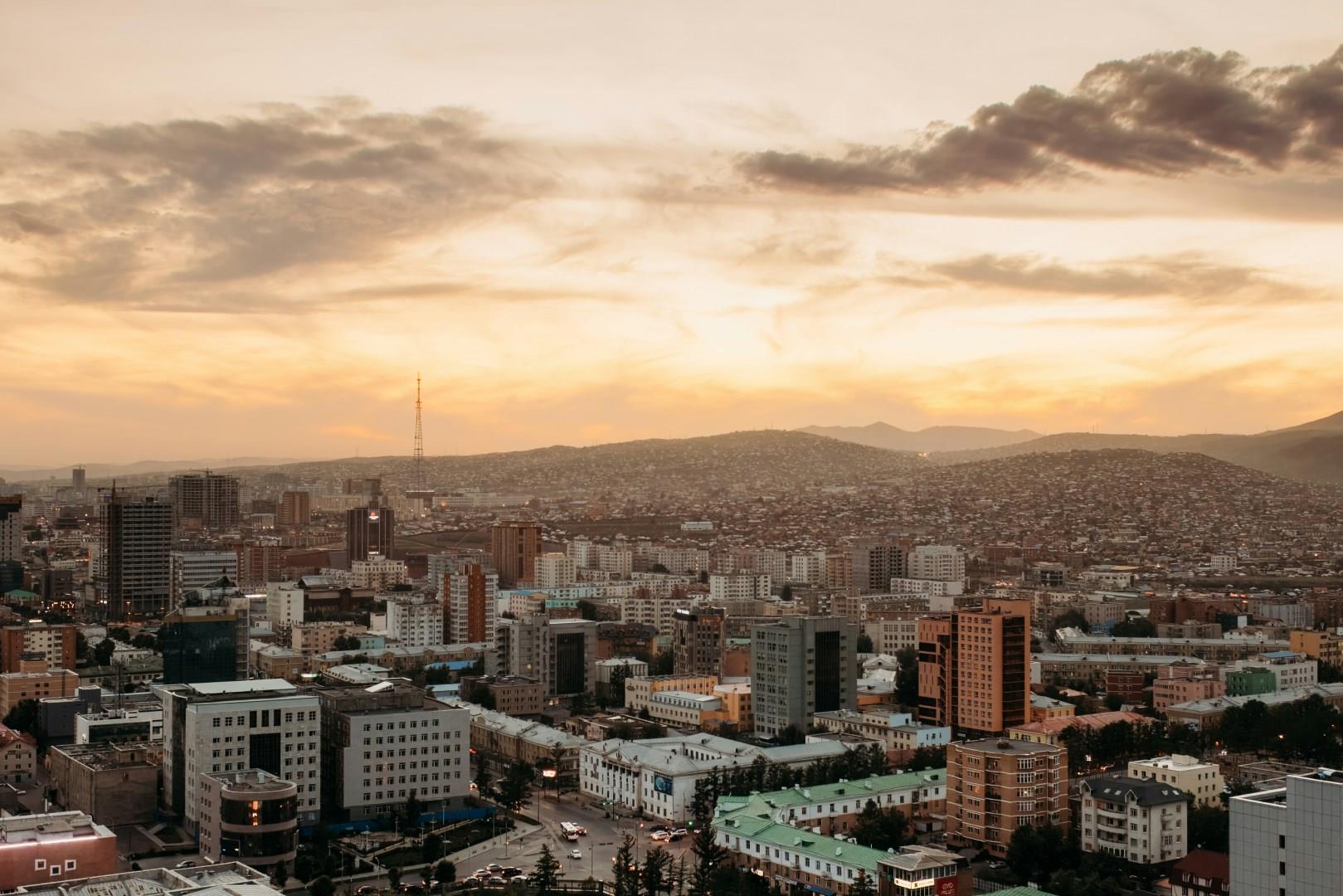
Ulaanbaatar, the capital of Mongolia, is a city where tradition and modern life intertwine. Nestled in a valley surrounded by mountains, it serves as the country’s cultural, political, and economic hub. The city’s skyline features a mix of Soviet-era architecture, Buddhist monasteries, and contemporary high-rises.
Tripoli
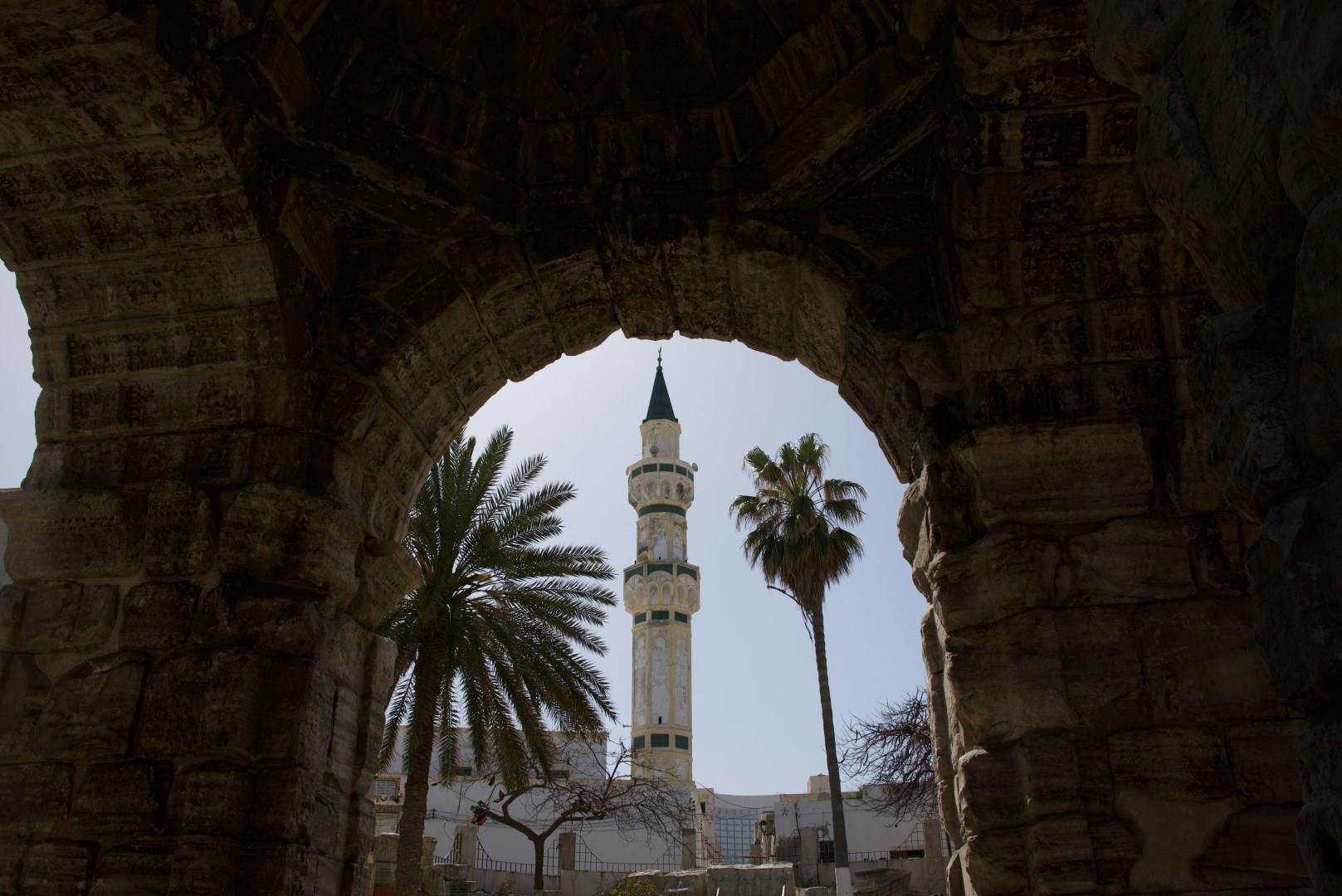
Tripoli, the capital city of Libya, sits on the country’s Mediterranean coast and serves as its political, economic, and cultural center.
Tajikistan
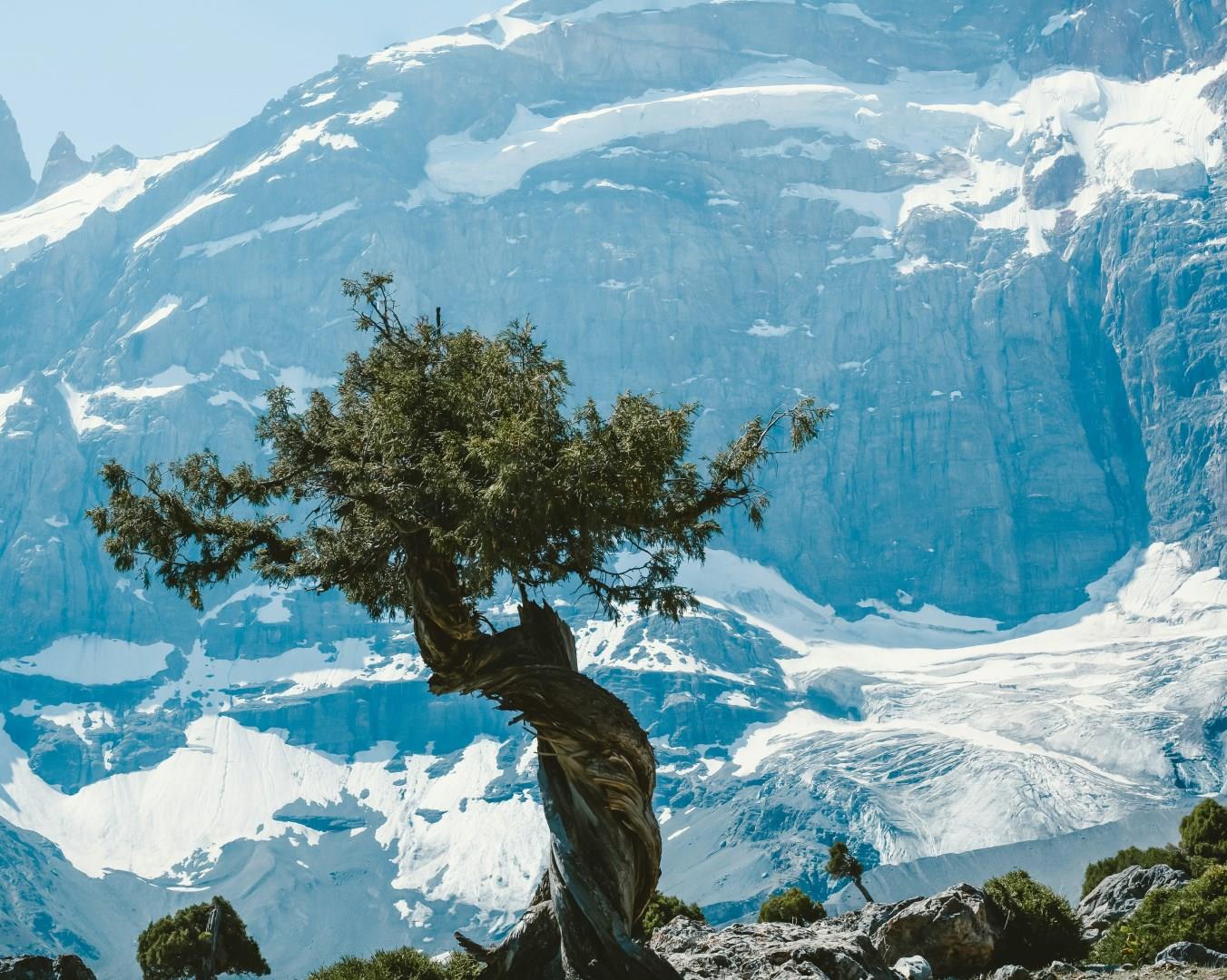
Tajikistan, a landlocked country in Central Asia, is defined by its dramatic mountain landscapes, including the towering Pamir and Fann ranges. These rugged peaks and deep valleys create a striking backdrop for ancient Silk Road sites and traditional villages, reflecting the country’s historical importance as a crossroads of cultures.
Windsor
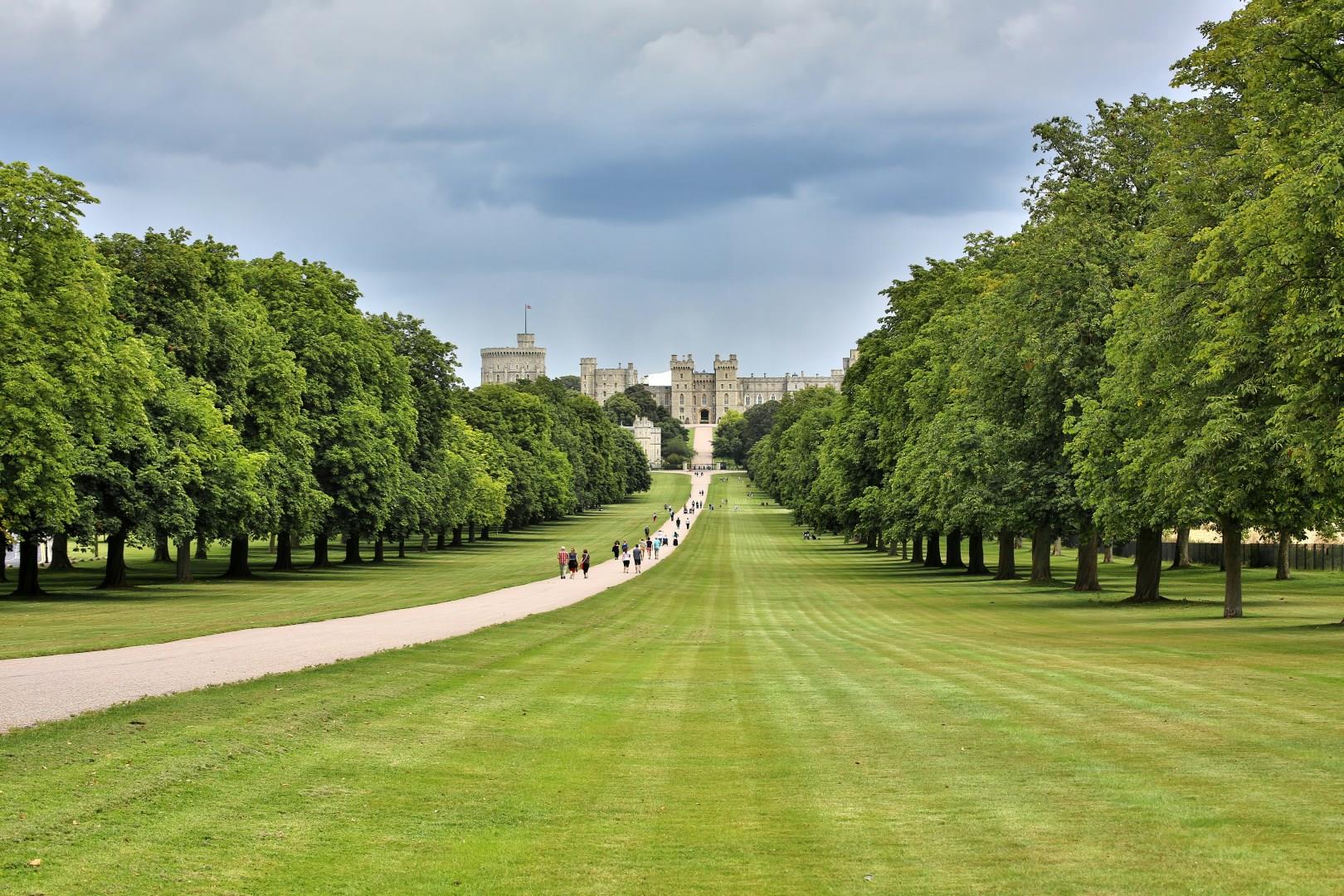
Windsor sits along a bend in the River Thames, its identity shaped by nearly a thousand years of royal presence. Windsor Castle, the world’s oldest continuously inhabited royal residence, dominates the town and anchors its historical significance, but the surrounding streets and parks reveal a place that has long supported court life, trade, and everyday routines alongside ceremony.
