
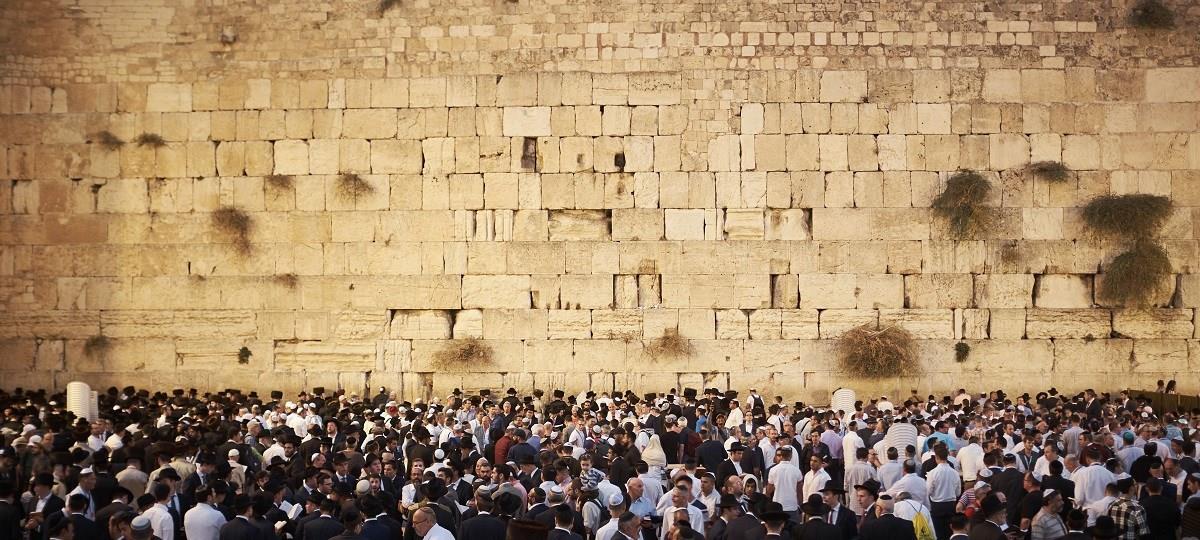
Jerusalem
This beautiful holy city is a spiritual lightning rod and sacred to Jews, Muslims and Christians all over the world. Although Jerusalem is known primarily for its religious history, the city is also home to many artistic and cultural venues.

Portland
Portland, England, offers a charming blend of coastal beauty, historical intrigue, and unique geological features. Nestled on the Jurassic Coast in Dorset, this picturesque island town is renowned for its stunning cliffs and quarries.
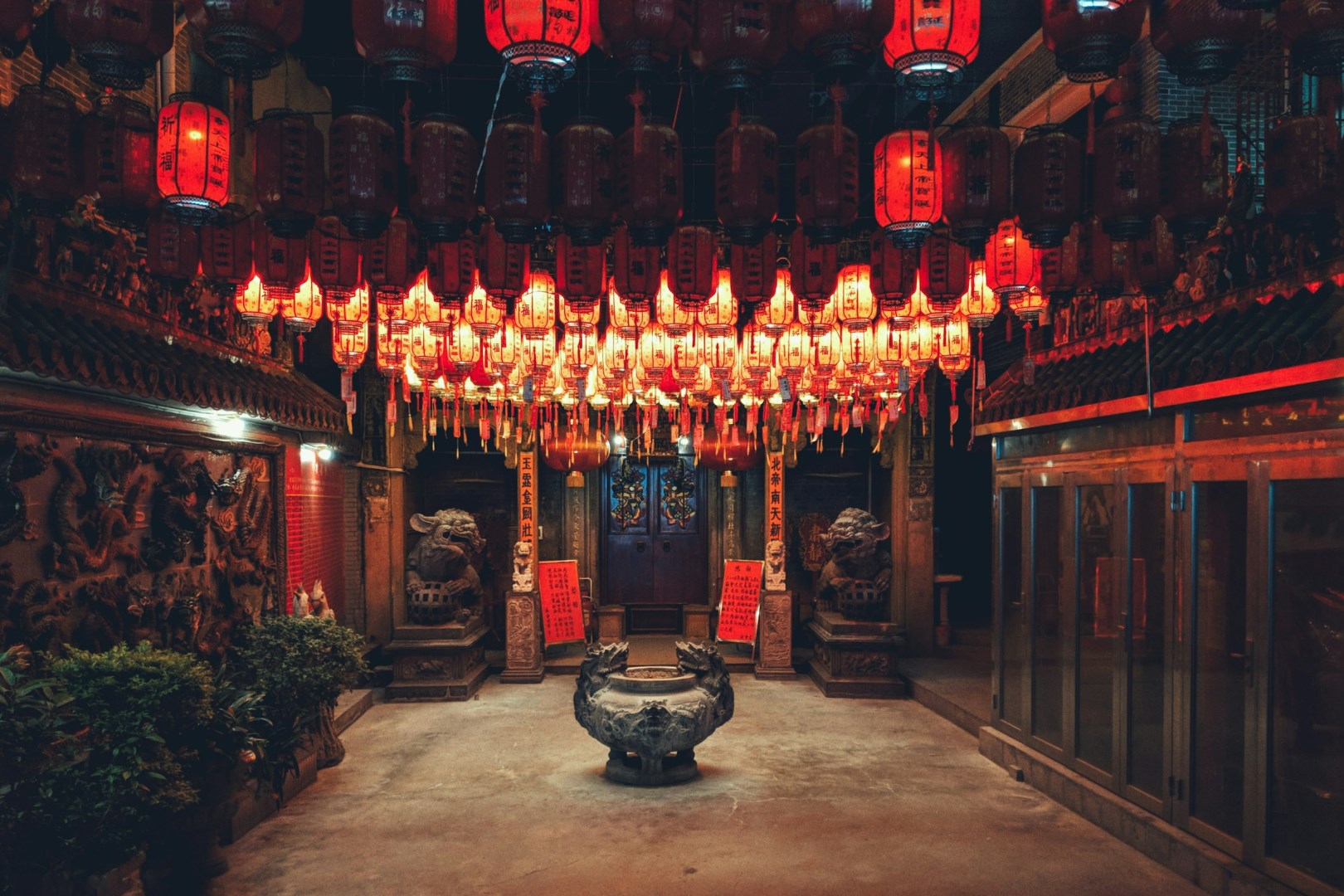
Shenzhen
Shenzhen, a dynamic metropolis in southern China, offers a unique blend of modernity and innovation. As a global technology hub, the city is renowned for its sleek skyscrapers and cutting-edge infrastructure. A visit to the Shenzhen Civic Center showcases the city's ambitious architecture, with its impressive glass buildings and futuristic design. The Shenzhen Museum, located nearby, provides a deep dive into the city's rapid development from a fishing village to a high-tech powerhouse.

Jasper
Explore Jasper, Alberta and gaze in awe at one of Canada’s most beautiful national parks in the Canadian Rockies. A veritable paradise for the bold traveler, Jasper National Park has no shortage of natural marvels guaranteed to take your breath away.
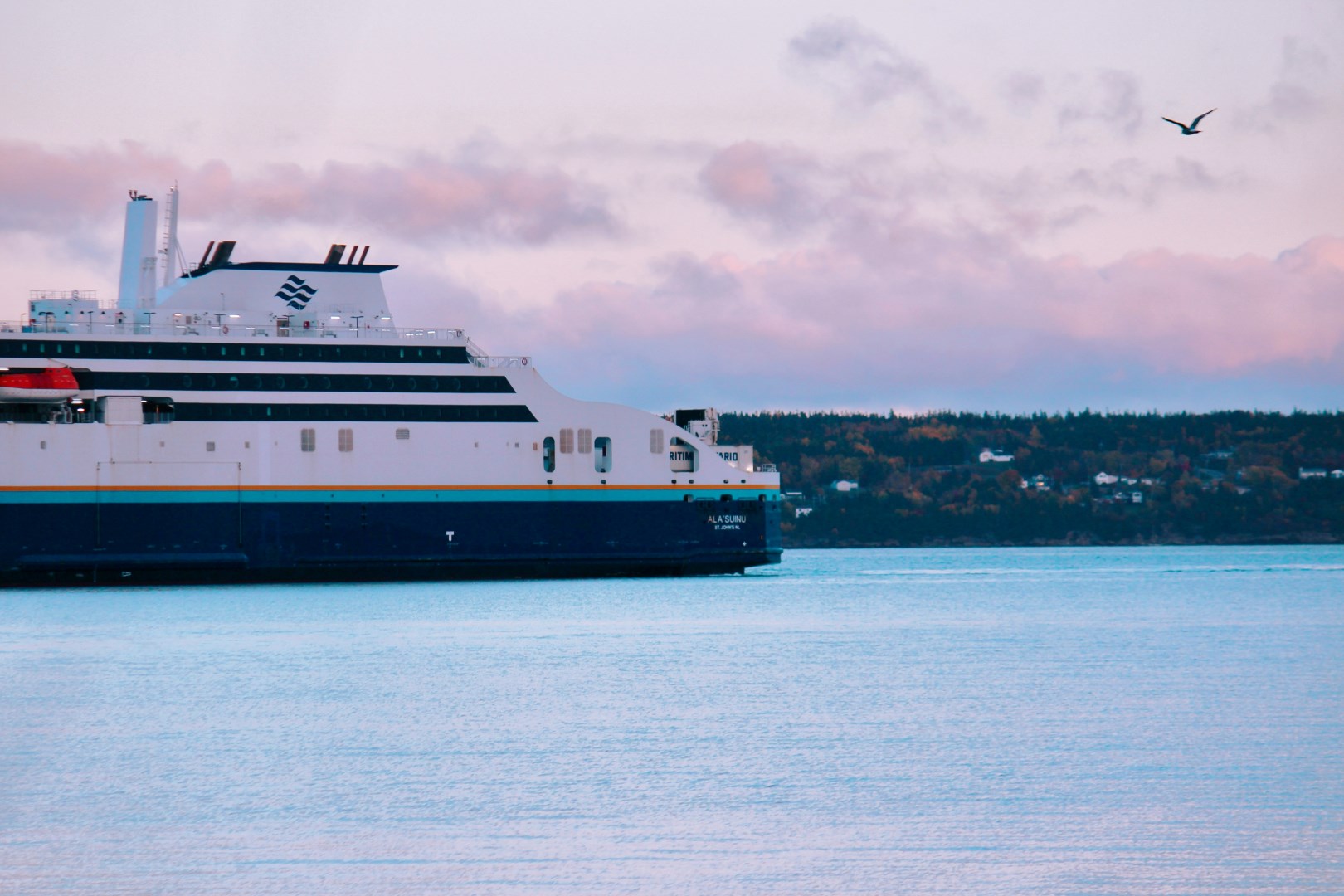
Sydney, Nova Scotia
Situated on the eastern edge of Cape Breton Island, Sydney in Nova Scotia welcomes visitors with a strong connection to the sea and a deep-rooted cultural identity. The city’s waterfront is a natural gathering place, where boardwalks stretch along the harbor and offer views of fishing boats, cruise ships, and open water. One of its most recognizable landmarks is the world’s largest fiddle, a towering tribute to the region’s musical traditions.
