
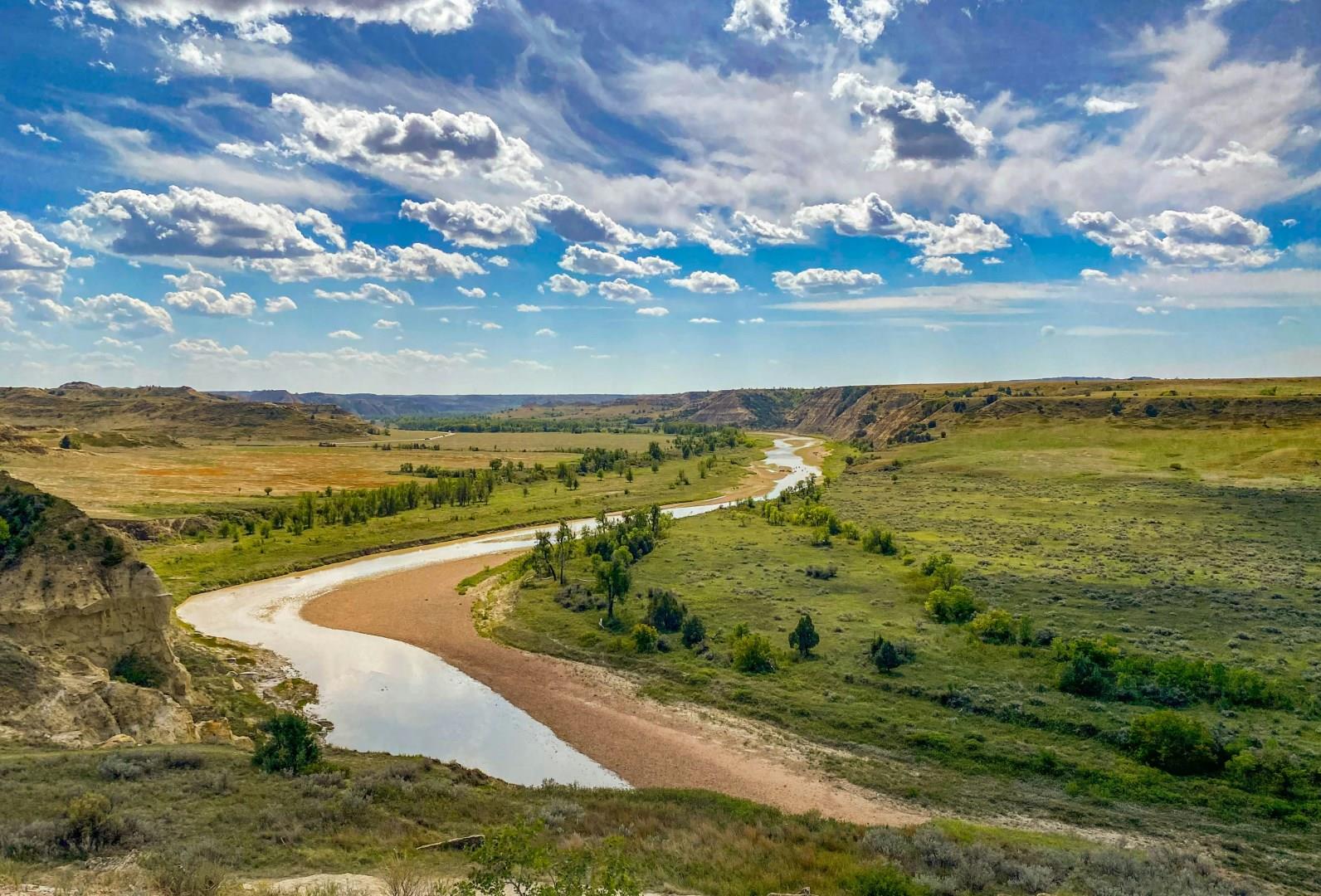
Theodore Roosevelt National Park
Theodore Roosevelt National Park, tucked into the rugged badlands of western North Dakota is where a young Theodore Roosevelt came to recover after the loss of his wife and mother in the same day. He bought a ranch, rode the open plains, and found the resolve that would later define his presidency. Today, the park named in his honor preserves that same wild spirit. Visitors can still see Roosevelt’s original Maltese Cross Cabin near the park's entrance and walk trails he once rode on horseback.

Lake Titicaca
Lake Titicaca, perched at over 3,800 meters above sea level, is the highest navigable lake in the world and a place where ancient stories still echo across the water. Shared by Bolivia and Peru, this lake has long been considered sacred by the Andean peoples. According to Inca legend, it was from Titicaca’s deep blue waters that the first humans were created. Today, the lake remains a center of cultural tradition, spiritual significance, and daily life for many who live along its shores.
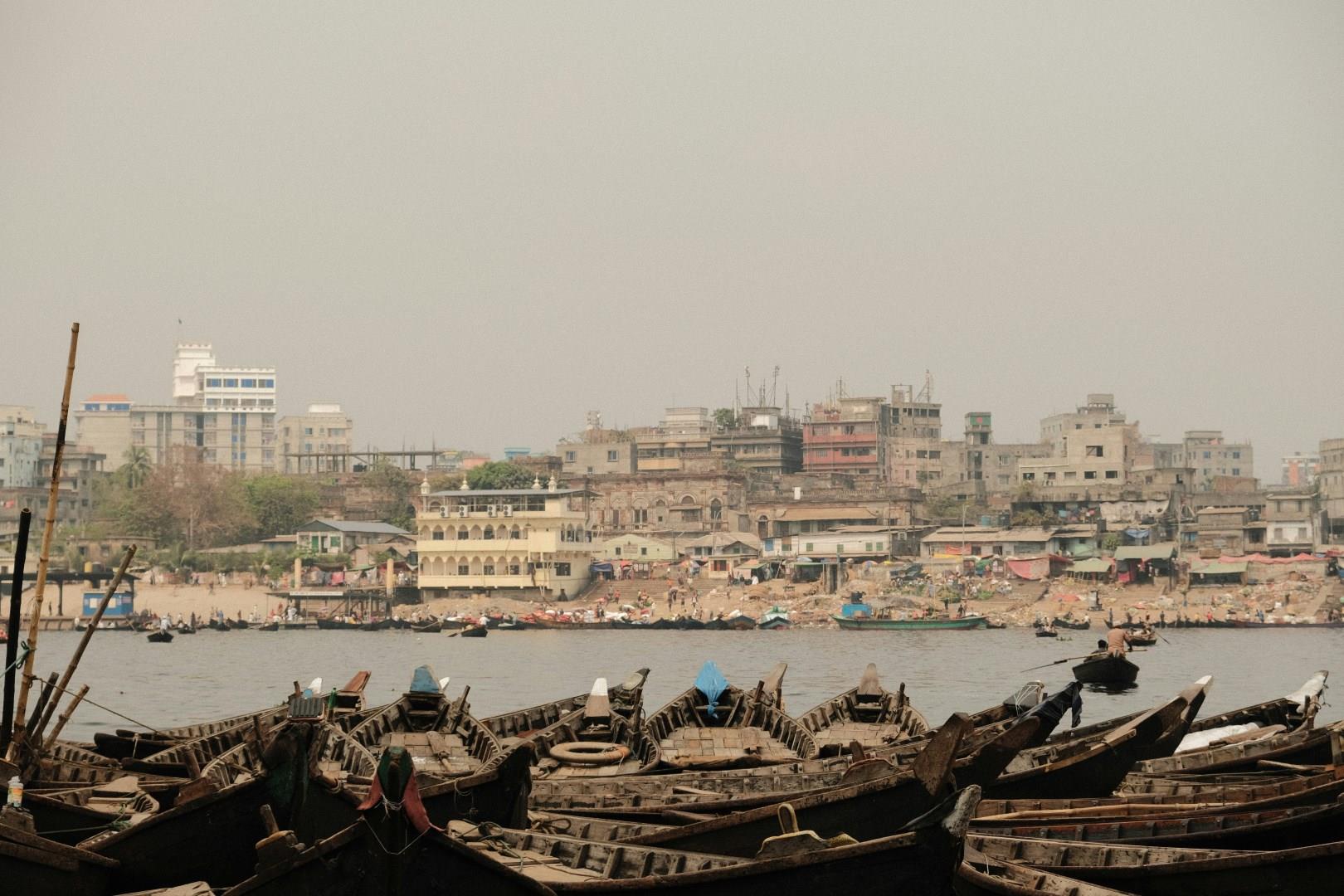
Dhaka
Dhaka, the capital of Bangladesh, is a city of striking contrasts where centuries-old traditions meet rapid modern growth. Known as the “City of Rickshaws,” it is famous for its vibrant street life, colorful cycle rickshaws, and markets that seem to run around the clock.
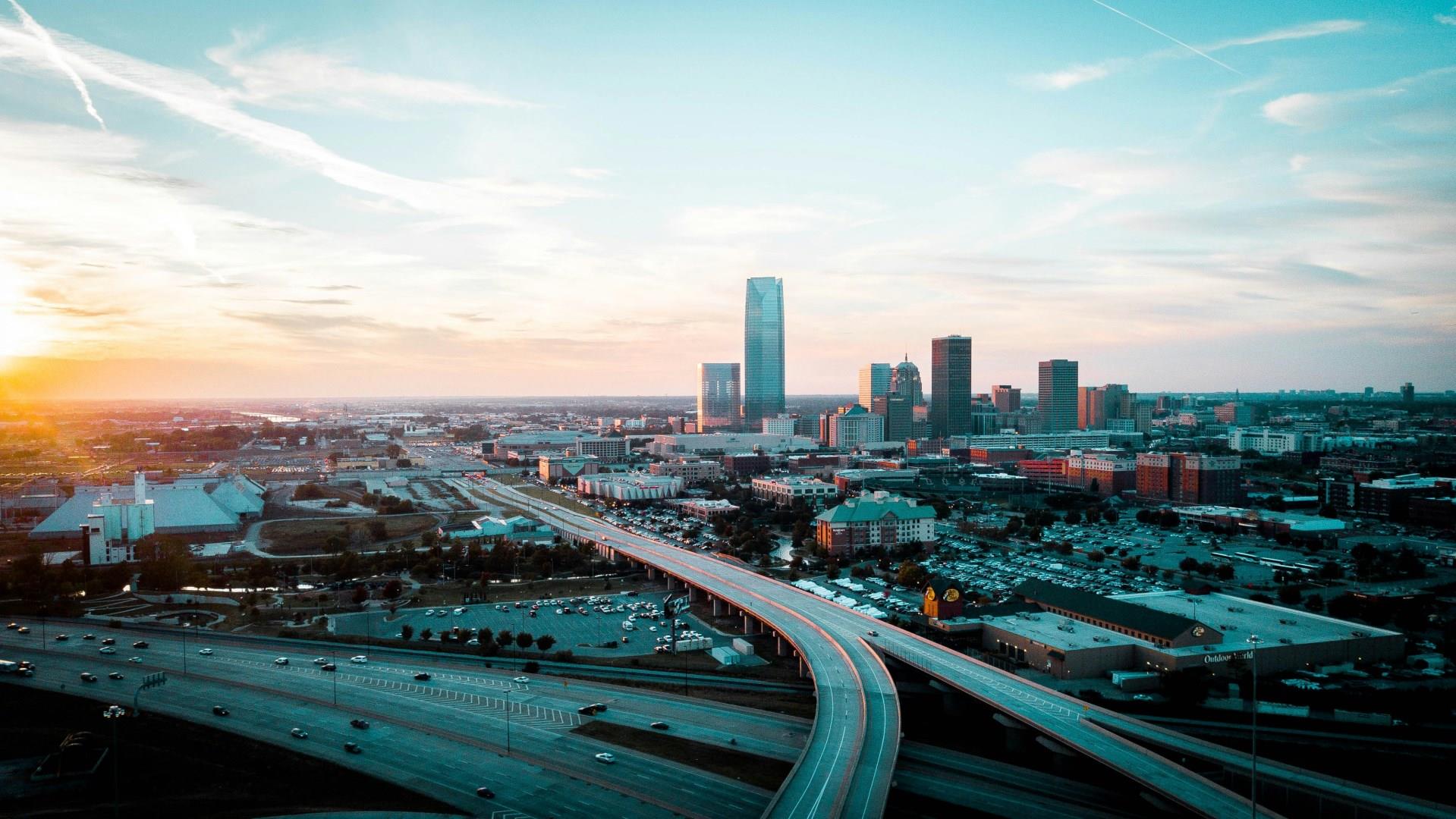
Oklahoma City
Oklahoma City stands at the crossroads of Western tradition and modern energy. It’s a place where cowboy boots walk into sleek coffee shops, and horse shows take place just a few miles from contemporary art galleries. A good starting point is the National Cowboy & Western Heritage Museum, home to one of the largest collections of Western art and artifacts in the world.

Bruges
Bruges, often referred to as the "Venice of the North," is a city where medieval charm meets modern allure. Nestled in the heart of Belgium's Flanders region, Bruges is renowned for its well-preserved medieval architecture, winding canals, and cobblestone streets that invite visitors to step back in time.
