
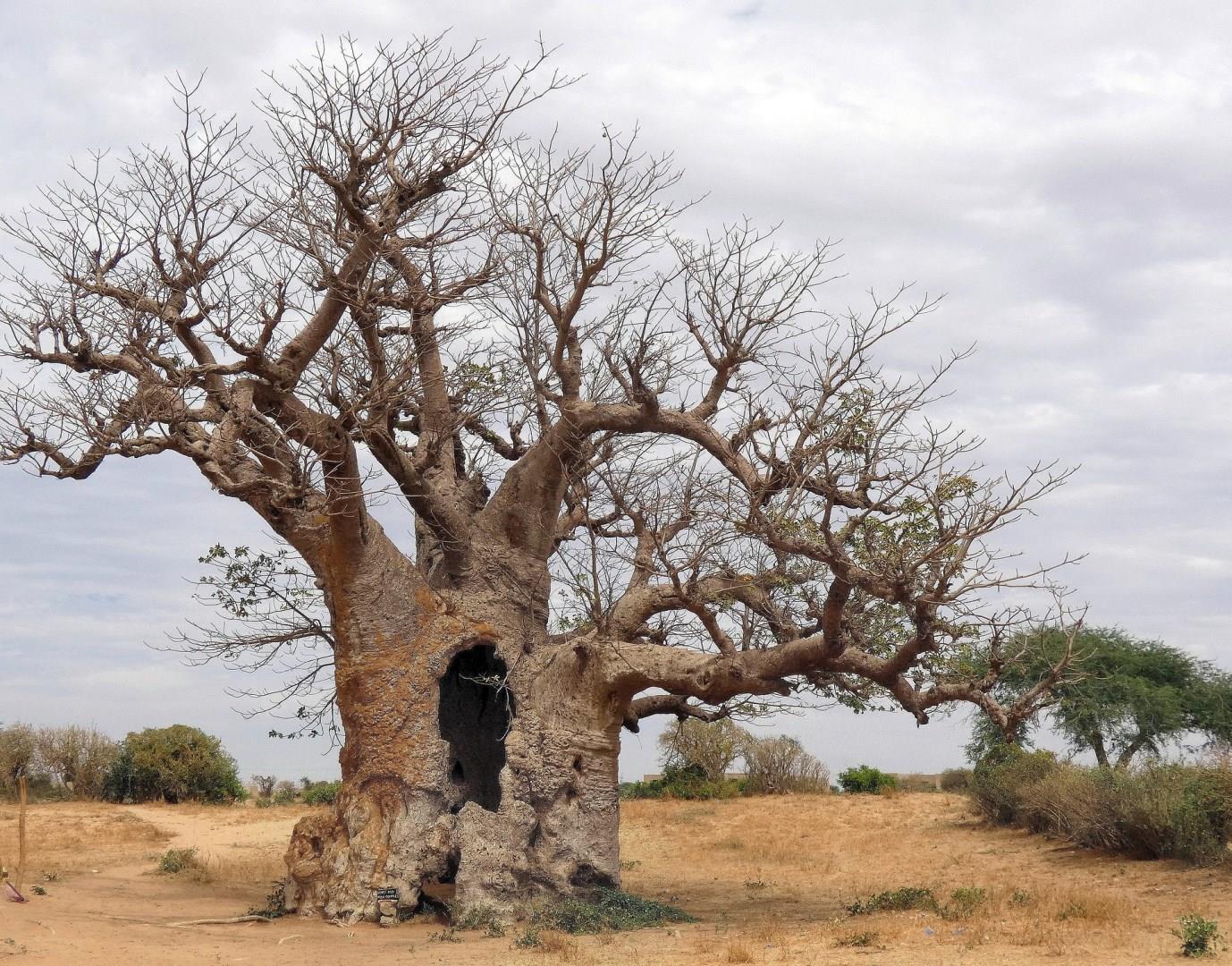
Senegal
Senegal, located on the westernmost tip of Africa, is a country where vibrant traditions meet striking natural beauty. Its capital, Dakar, sits on the Cape Verde Peninsula and is known for its bustling markets, lively music scene, and impressive art galleries.
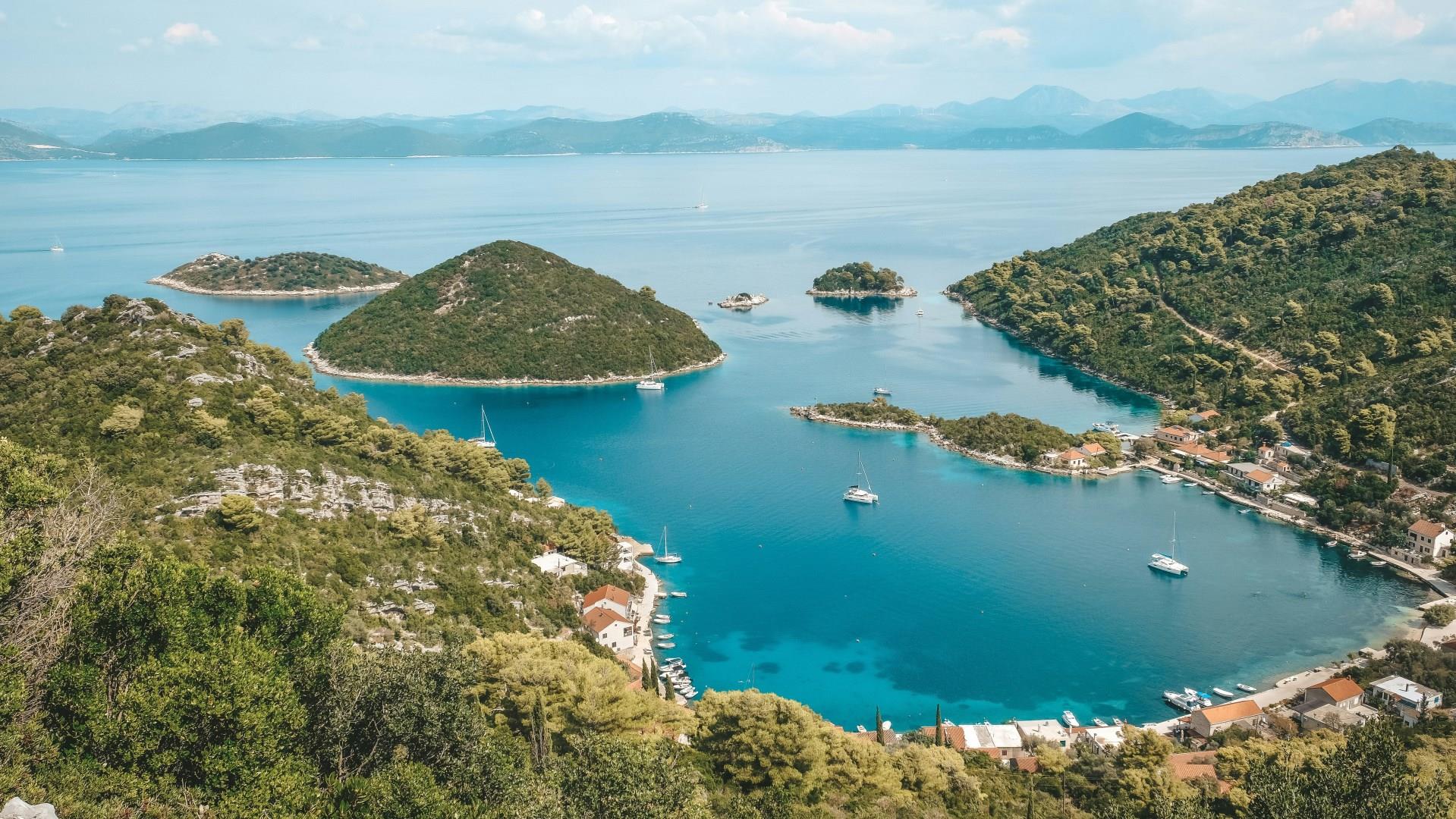
Mljet National Park
Mljet National Park sits on the western side of Mljet Island in Croatia’s Adriatic Sea, a place where saltwater lakes meet ancient forest pathways. The park stretches across nearly one-third of the island, with Veliko Jezero (Great Lake) and Malo Jezero (Small Lake) as their most striking features. These two saltwater lakes are connected by a narrow channel to the open sea, creating calm blue waters that draw visitors for swims, casual kayak outings, or peaceful cycles around the shaded paths.

Grand Canyon
Stretching 277 miles in length and more than a mile deep, this vast canyon reveals layers of geologic time stacked like pages in a book. Standing on the South Rim, visitors can look out over colorful cliffs and winding trails that have drawn explorers, artists, and travelers for generations. The views change with the light starting with crimson at sunrise, golden at sunset, and every hue in between.
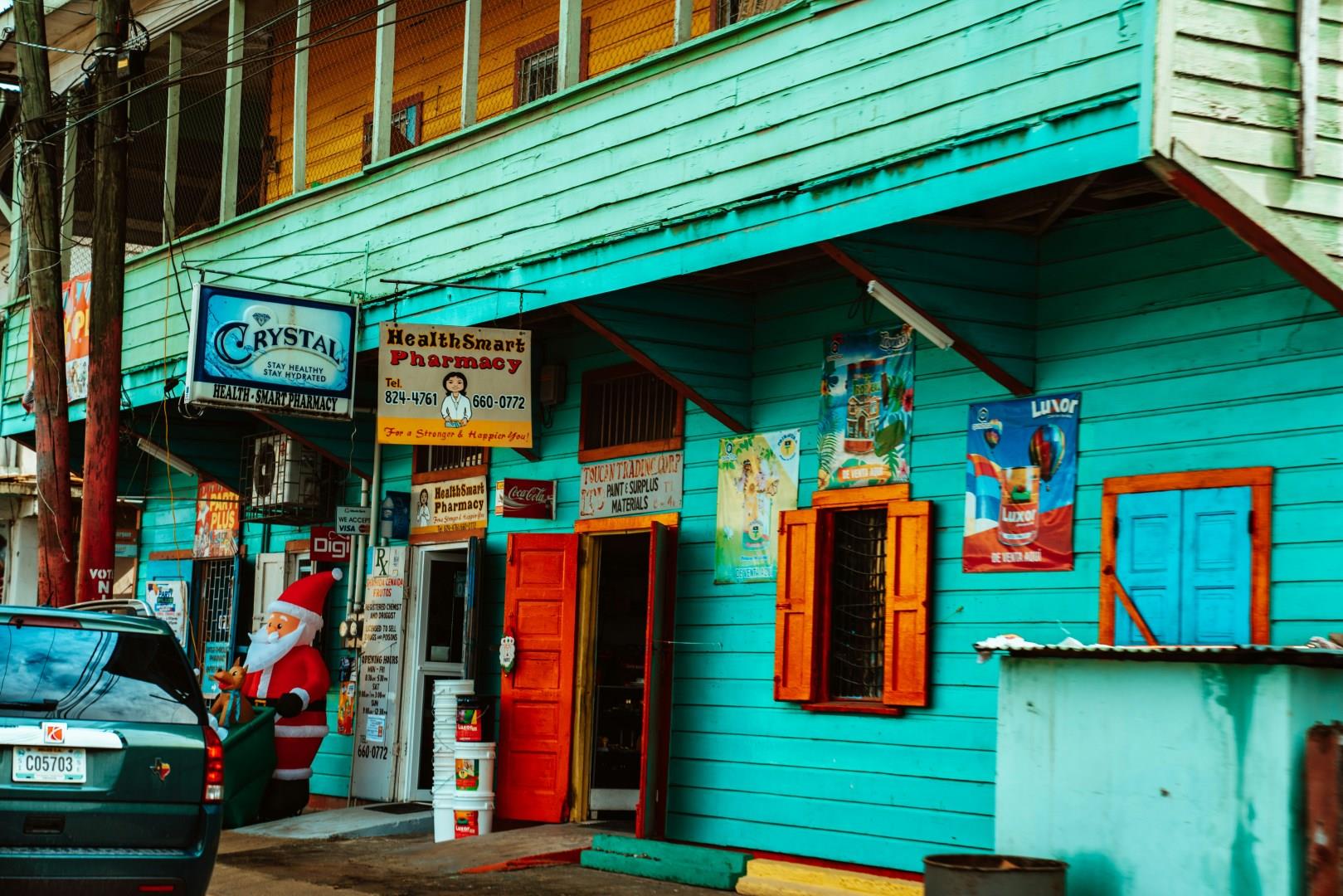
San Ignacio
San Ignacio sits in western Belize’s Cayo District on the banks of the Macal and Mopan Rivers, where the town and its sister settlement of Santa Elena are linked by Belize’s lone suspension bridge. Its location also makes San Ignacio a gateway to both inland Belize and the nearby Guatemalan border, making it easy for curious travelers to explore beyond town limits.
Kanchanaburi
Kanchanaburi, a province in western Thailand, is best known for its poignant history and lush landscapes. It was here that Allied prisoners of war and Asian laborers were forced to build the infamous Death Railway during World War II, including the Bridge over the River Kwai, which remains a powerful symbol of resilience.
