

Þingvellir National Park
Thingvellir, a captivating site in Iceland, seamlessly combines natural beauty and historical significance. Located in the Thingvellir National Park, this UNESCO World Heritage Site is a geological wonder where the North American and Eurasian tectonic plates meet. The dramatic landscape features rift valleys and stunning volcanic formations, making it a paradise for hikers and nature enthusiasts.
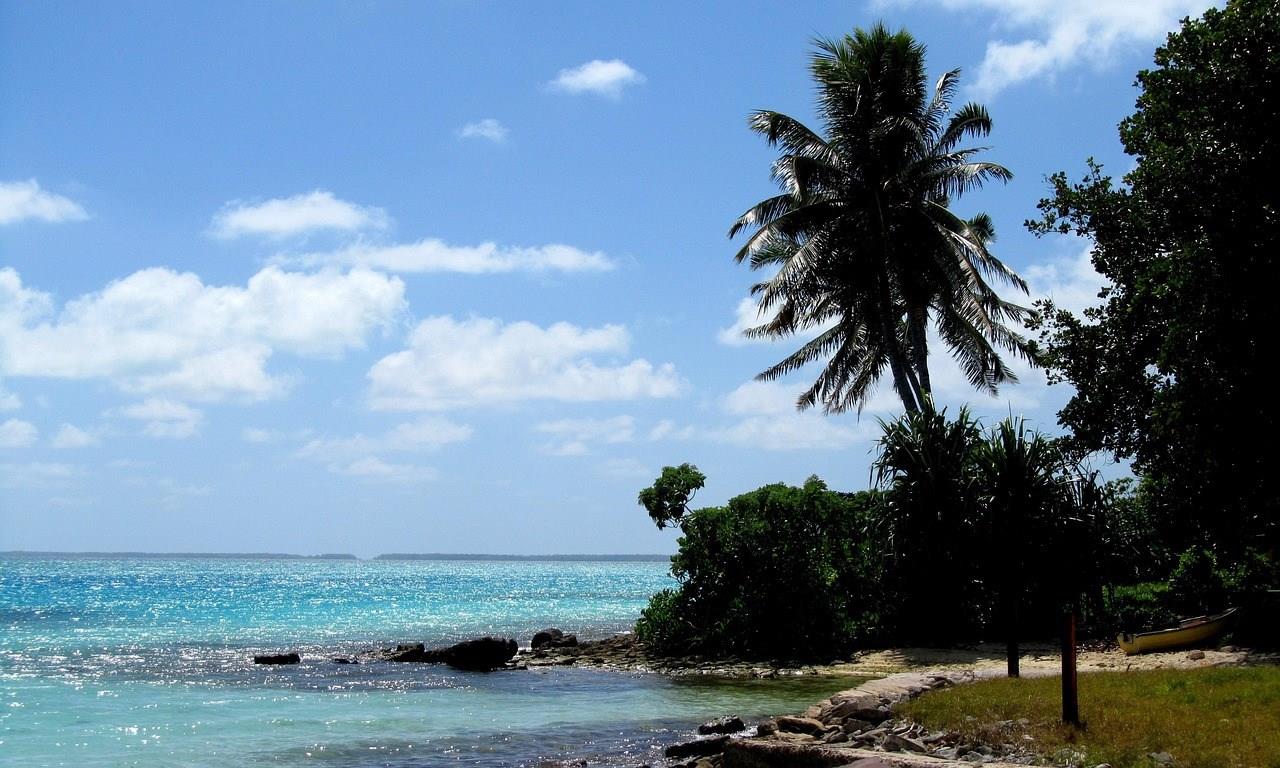
Fanning Island
Fanning Island, also known as Tabuaeran, is one of the Line Islands in the Republic of Kiribati. Sitting just four degrees north of the equator, this remote atoll is a rare find for travelers seeking raw, untouched Pacific beauty. With no large hotels or chain resorts, visitors often arrive by cruise or private yacht and are welcomed with coconut-leaf garlands and traditional songs.

Dominica
Dominica, known as the “Nature Island of the Caribbean,” is a haven for eco-tourists and adventure seekers. Nestled between the French islands of Guadeloupe and Martinique, this lush island boasts a remarkable landscape of volcanic mountains, dense rainforests, and stunning waterfalls. Dominica’s most iconic natural wonder is the Boiling Lake, the second-largest hot spring in the world.

Montego Bay
Montego Bay, Jamaica’s lively resort city, offers an intoxicating mix of sun, sea, and vibrant culture. Situated on the island’s north coast, Montego Bay is renowned for its stunning beaches and crystal-clear waters. The popular Doctor’s Cave Beach, named after the nearby cave believed to have therapeutic properties, provides pristine sands and warm, inviting waters. Visitors can relax under palm trees or partake in water activities such as snorkeling and jet skiing.
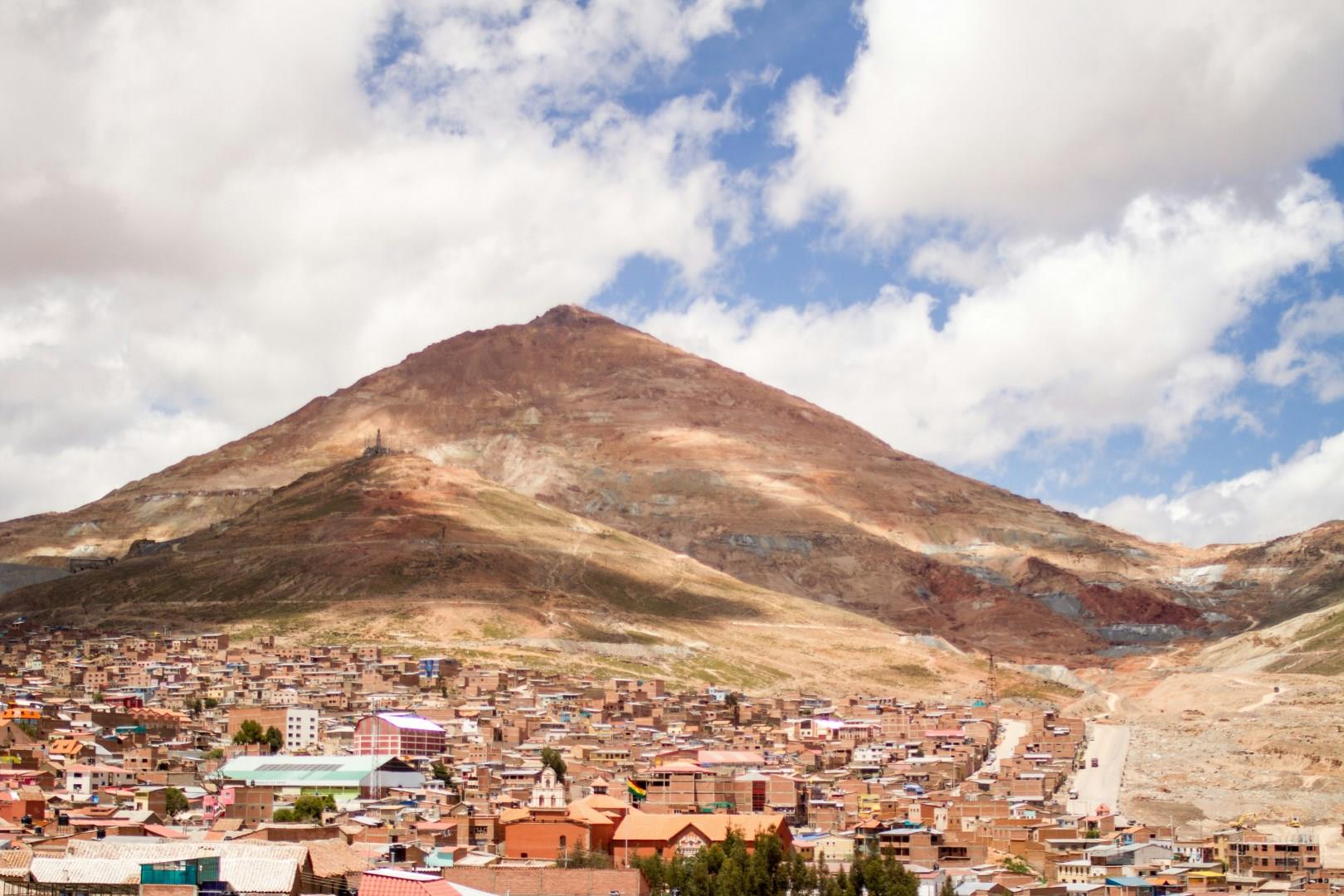
Potosi
Potosí rises on the Altiplano of southern Bolivia and for centuries it was one of the richest cities in the world because of what lies just beyond its streets. At the foot of Cerro Rico (“Rich Mountain”), silver was discovered in the mid-1500s, and within a few decades the city became a center of mining and wealth that shaped global trade and economies.
