
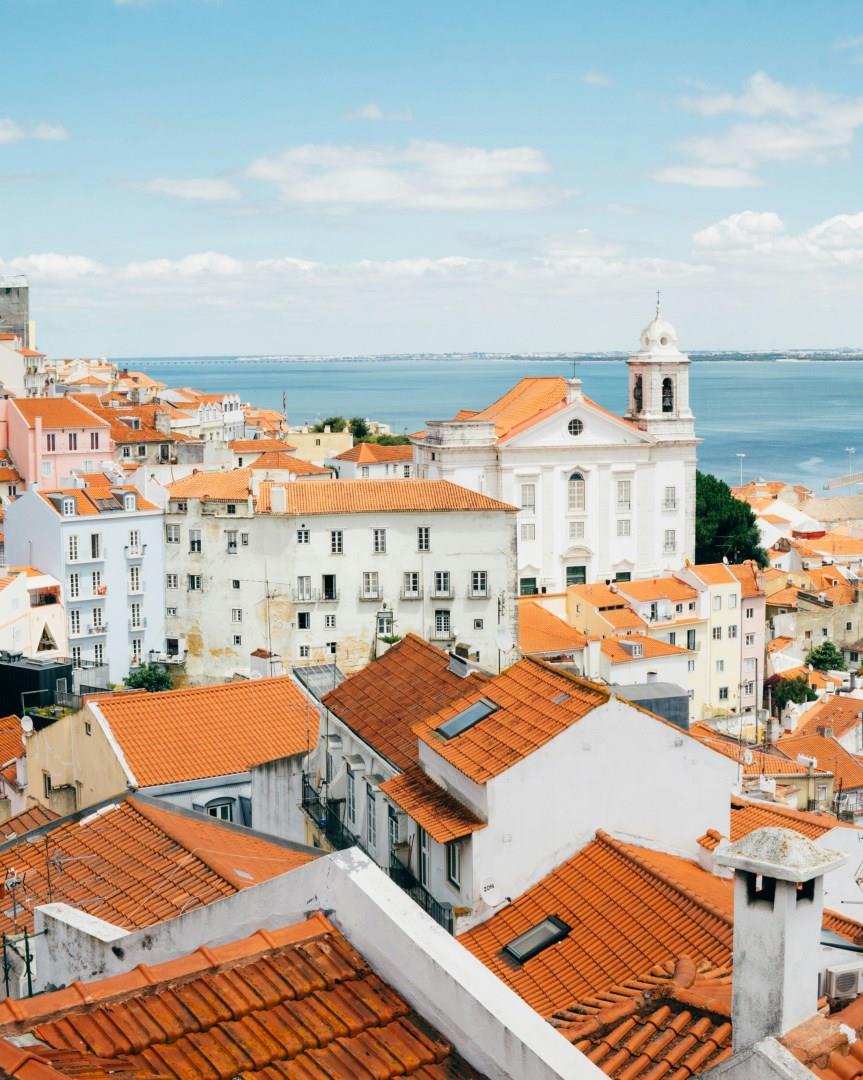
Portugal
Portugal offers a layered experience shaped by maritime history, deep-rooted traditions, and a coastline that stretches for nearly 1,800 kilometers. In Lisbon, the streets of Alfama wind uphill toward São Jorge Castle, where views of red-tiled rooftops and the Tagus River reveal how the city was rebuilt after the 1755 earthquake. Trams still clatter through narrow streets, and fado music, often performed in candlelit taverns, tells stories of longing and the sea.

Grand Rapids
Grand Rapids sits along the Grand River in western Michigan, shaped by industry, reform, and a strong civic culture.

Raiatea
Raiatea's laid-back atmosphere and warm hospitality make it a wonderful place to unwind and soak in the peaceful rhythms of Polynesian life.

Civitavecchia
This pleasant port town provides a nice, calmer contrast to bustling Rome, so travelers are advised to not simply pass through, but linger and discover more of Civitavecchia. Explore Forte Michelangelo, shop at Corso Centocelle, see the neoclassical Trajan Theatre, and delve into the therapeutic Taurine Baths of Civitavecchia.

Florida
Florida, the Sunshine State, is a premier destination for travelers seeking a combination of stunning beaches, exciting theme parks, and rich cultural experiences. With over 1,350 miles of coastline, visitors can enjoy pristine stretches of sand along both the Atlantic Ocean and the Gulf of Mexico.
