

Dominica
Dominica, known as the “Nature Island of the Caribbean,” is a haven for eco-tourists and adventure seekers. Nestled between the French islands of Guadeloupe and Martinique, this lush island boasts a remarkable landscape of volcanic mountains, dense rainforests, and stunning waterfalls. Dominica’s most iconic natural wonder is the Boiling Lake, the second-largest hot spring in the world.
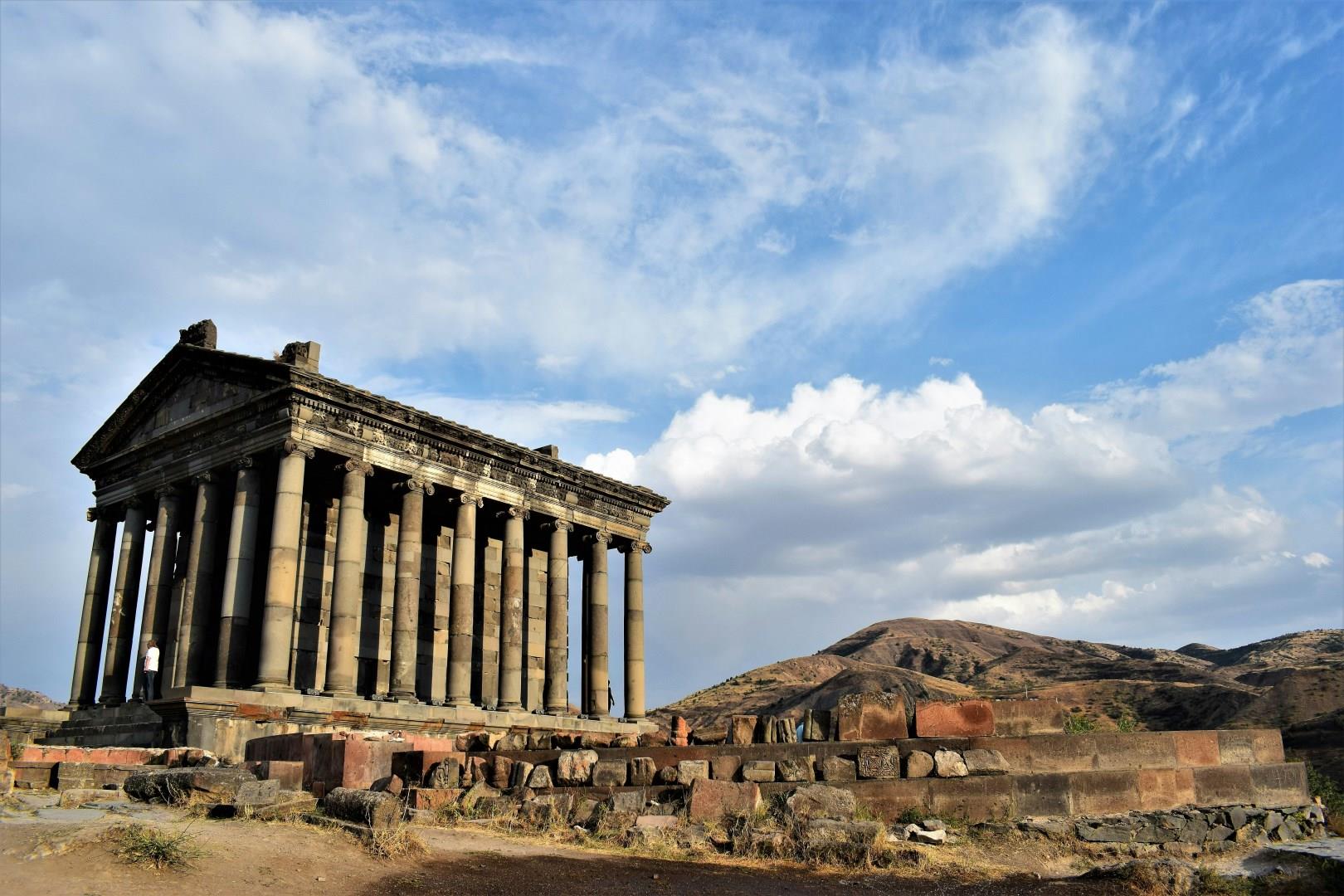
Armenia
Armenia, set at the crossroads of Europe and Asia, is a country rich in history and breathtaking landscapes. Known as one of the world’s oldest nations, it offers travelers a glimpse into ancient traditions that remain alive today. The dramatic scenery ranges from high mountains and deep gorges to serene lakes, creating endless opportunities for exploration.
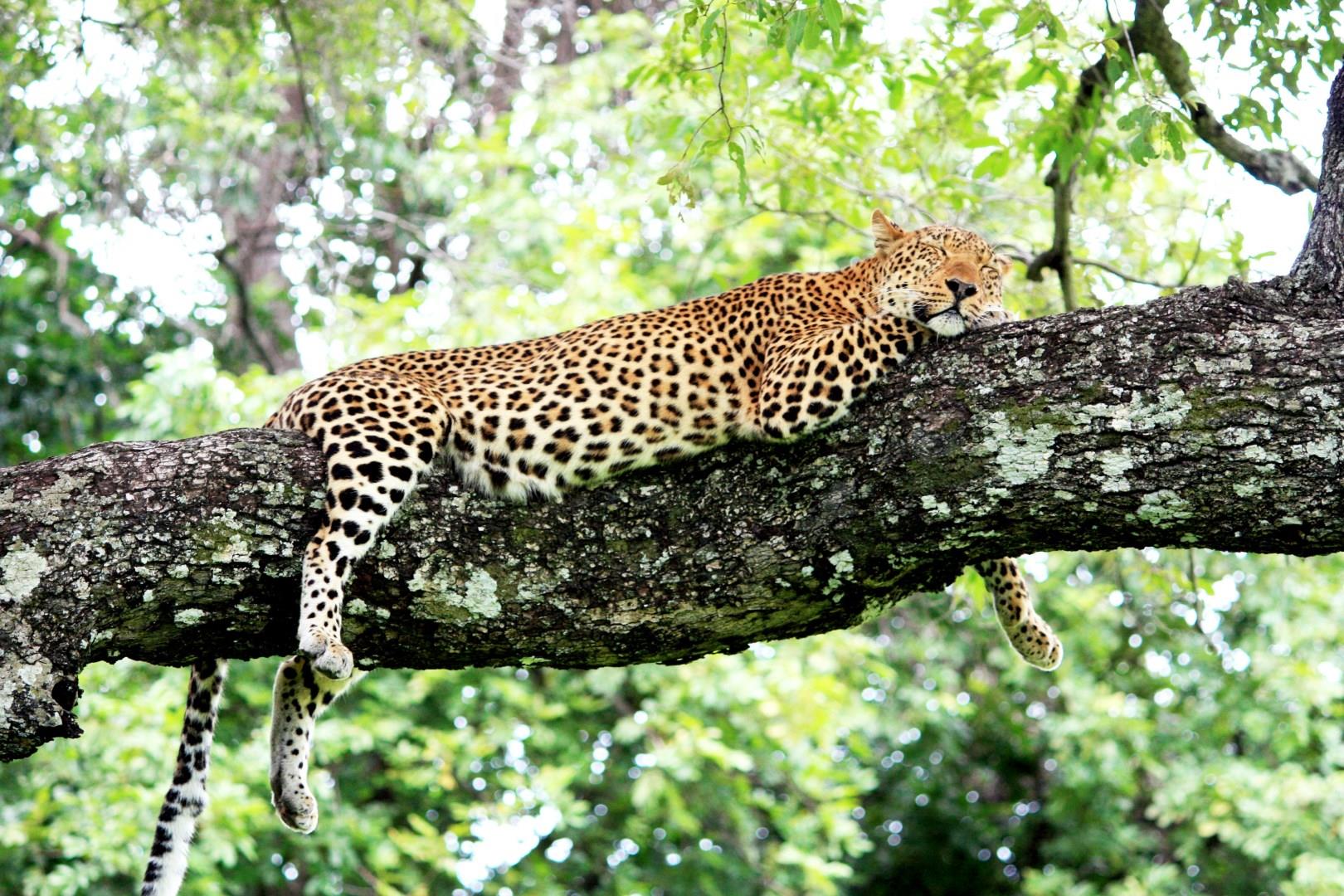
South Luangwa National Park
South Luangwa National Park in eastern Zambia is one of Africa’s most treasured wildlife areas, lying along the lush bends of the Luangwa River. Designated as a protected area in the 1970s, it stands out for its consistently high wildlife densities and landscapes that shift with the seasons. Dry grasslands, shaded woodlands, and green floodplains all unfold beneath wide skies, shaping the canvas for memorable animal sightings.

Karpathos
Karpathos is marked by the peculiar Karpathian houses, built of carved stone, full of embroidery and characteristic interior decorations. From Pigadia you may visit Kyra Panagia, a picturesque bay with a marvelous beach and a monastery of the same name. A little further, on the northern promontory of Karpathos, lies the Diafani village; on the nearby little island of Saria we see Palatia, with ruins of the ancient city of Nisyros.
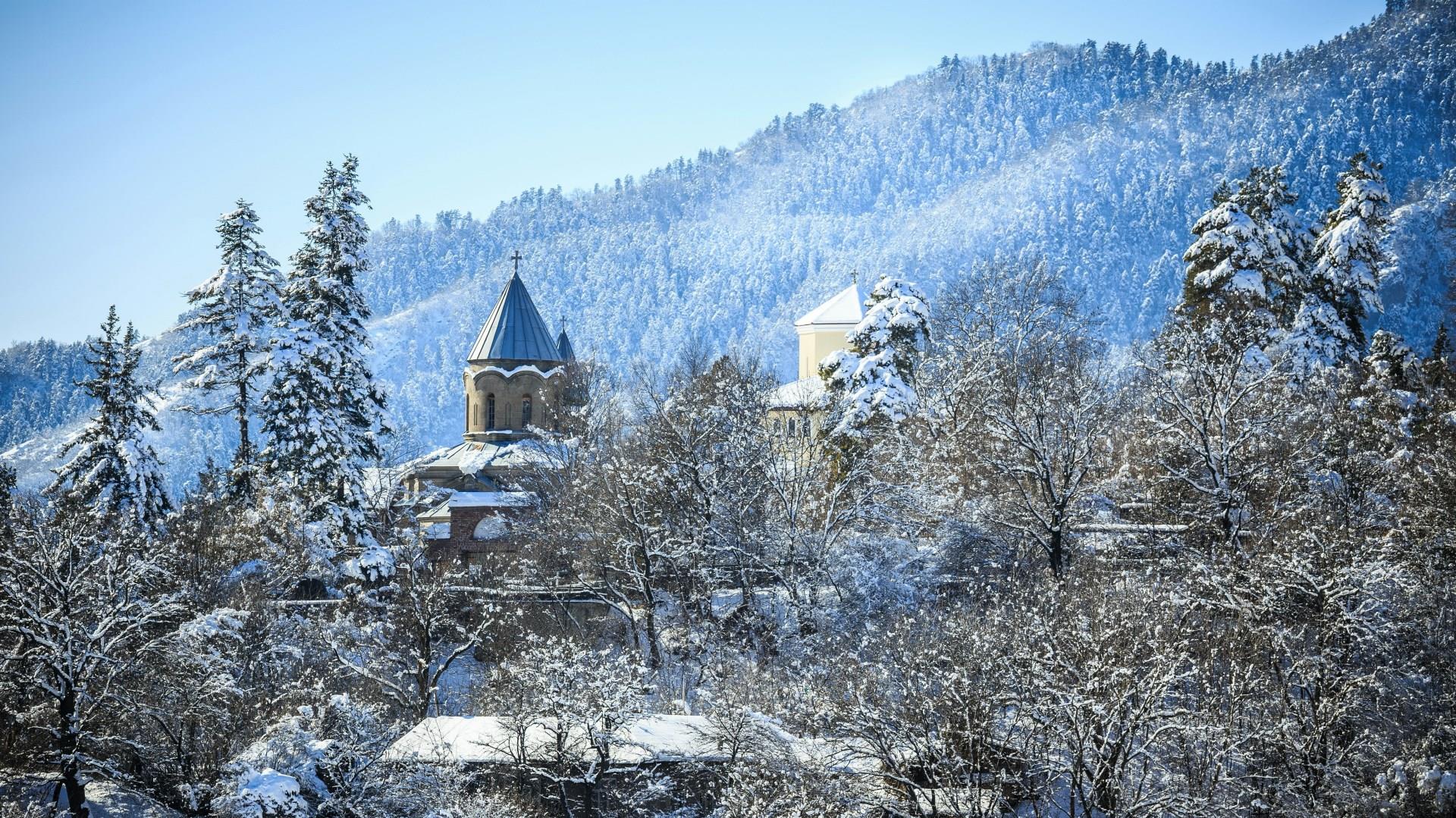
Borjomi
Borjomi sits high in the center of Georgia, in a long valley along the Borjomula River surrounded by forested mountains. For centuries its mineral springs have drawn people to the region, but it wasn’t until the 1800s that the water became known to the wider world when Russian officers stationed here shared its crisp, naturally fizzy taste and believed health-boosting properties with visitors.
