
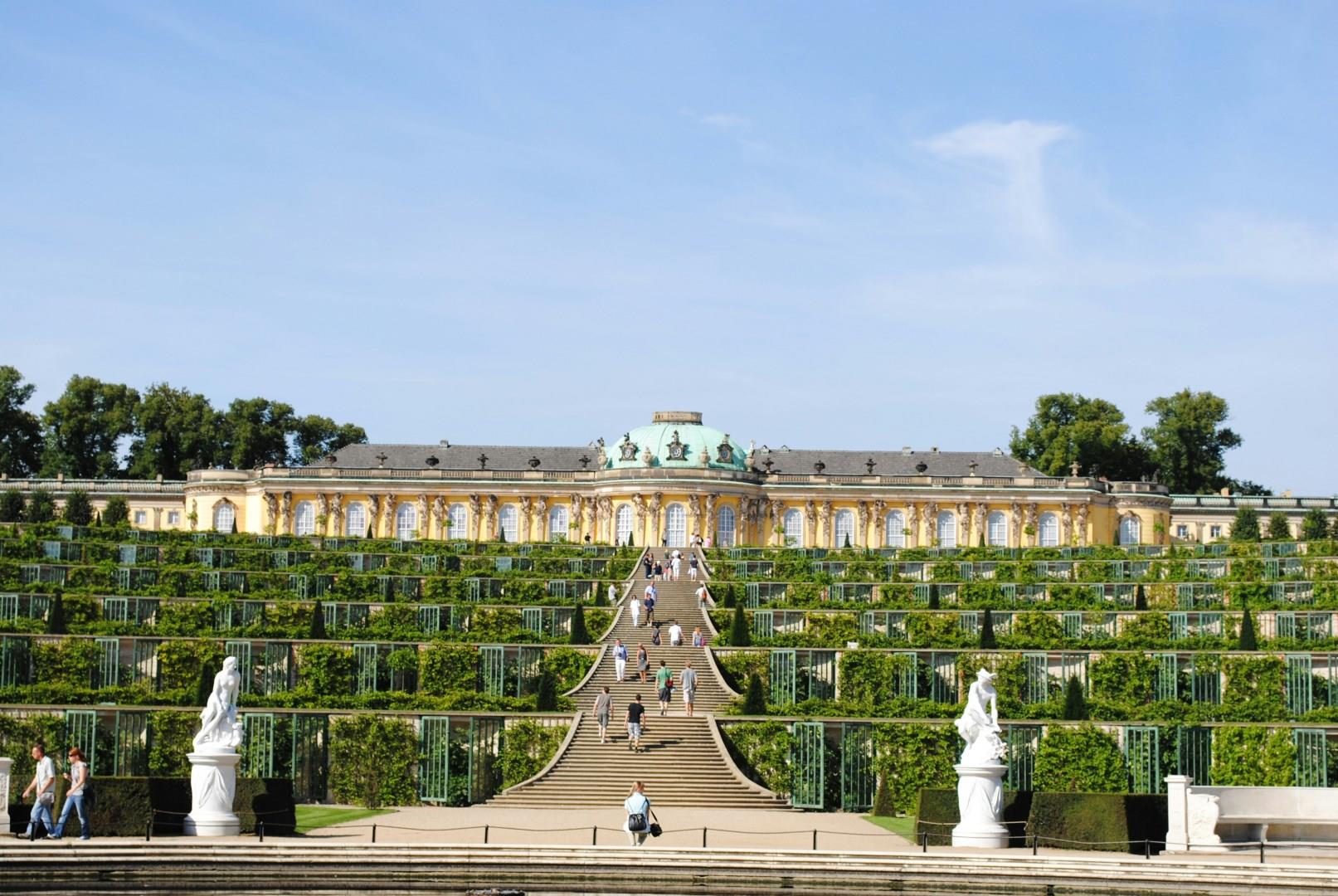
Potsdam
Potsdam, the capital of Germany’s Brandenburg state, lies just southwest of Berlin and is best known for its grand palaces, landscaped gardens, and role as a seat of Prussian royalty.

Negombo
Negombo, located just north of Colombo and minutes from Sri Lanka’s main international airport, offers a coastal town experience steeped in layered history and local life. Once a vital trading post for cinnamon during the colonial era, Negombo has seen Portuguese, Dutch, and British influence with each leaving a mark on its architecture and culture. The Dutch-era canal system, still used by fishermen and local vendors today, runs through parts of the town and can be explored by boat or bicycle.
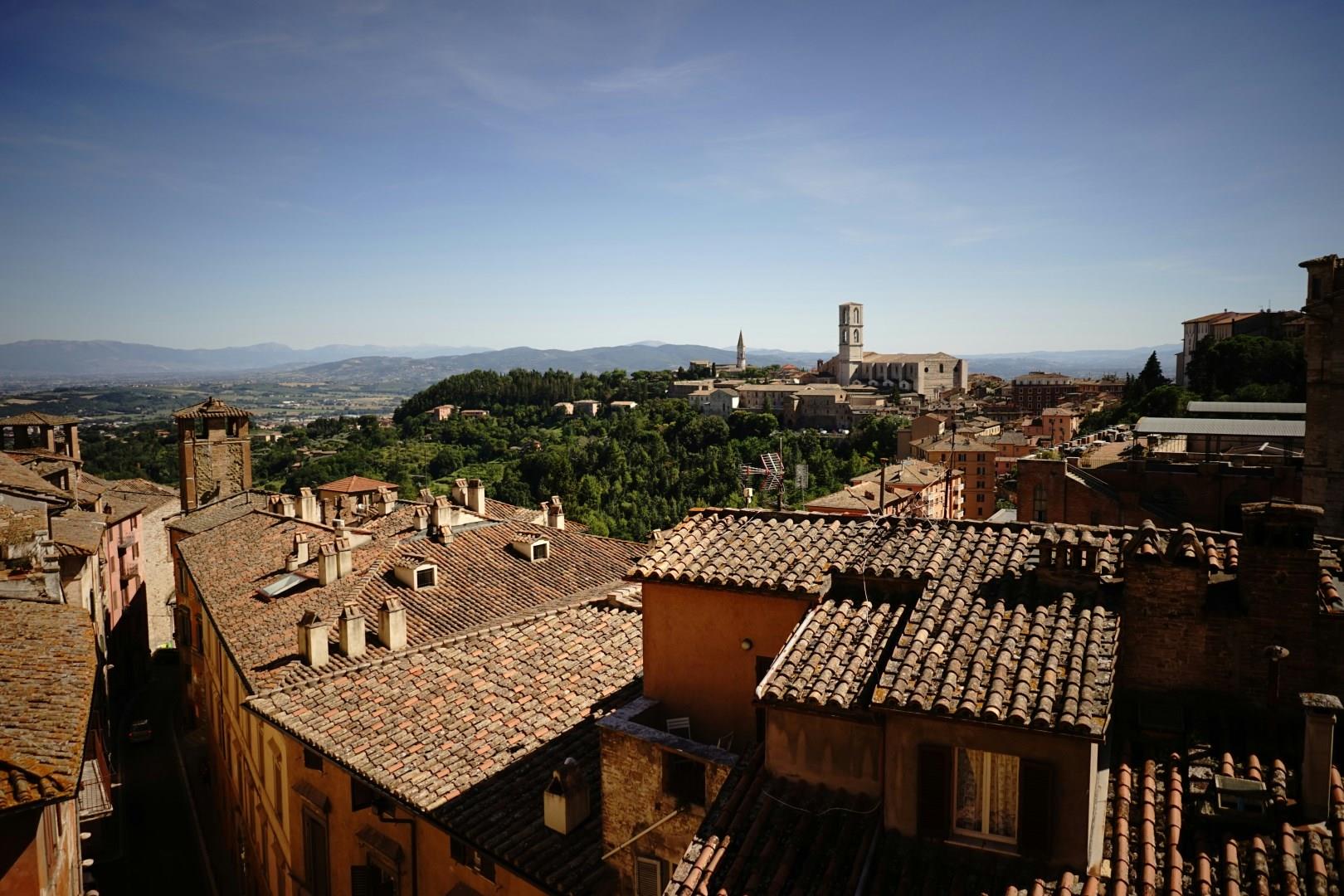
Perugia
Perugia, the capital of Italy’s Umbria region, is a city built across hills and centuries. Originally settled by the Etruscans more than 2,500 years ago, it still holds remnants of their civilization, including one of the largest surviving Etruscan arches in Italy named Arco Etrusco, which greets visitors at the city’s entrance. Walking through the narrow streets of the historic center reveals layers of Roman, medieval, and Renaissance architecture, all woven together within ancient stone walls.
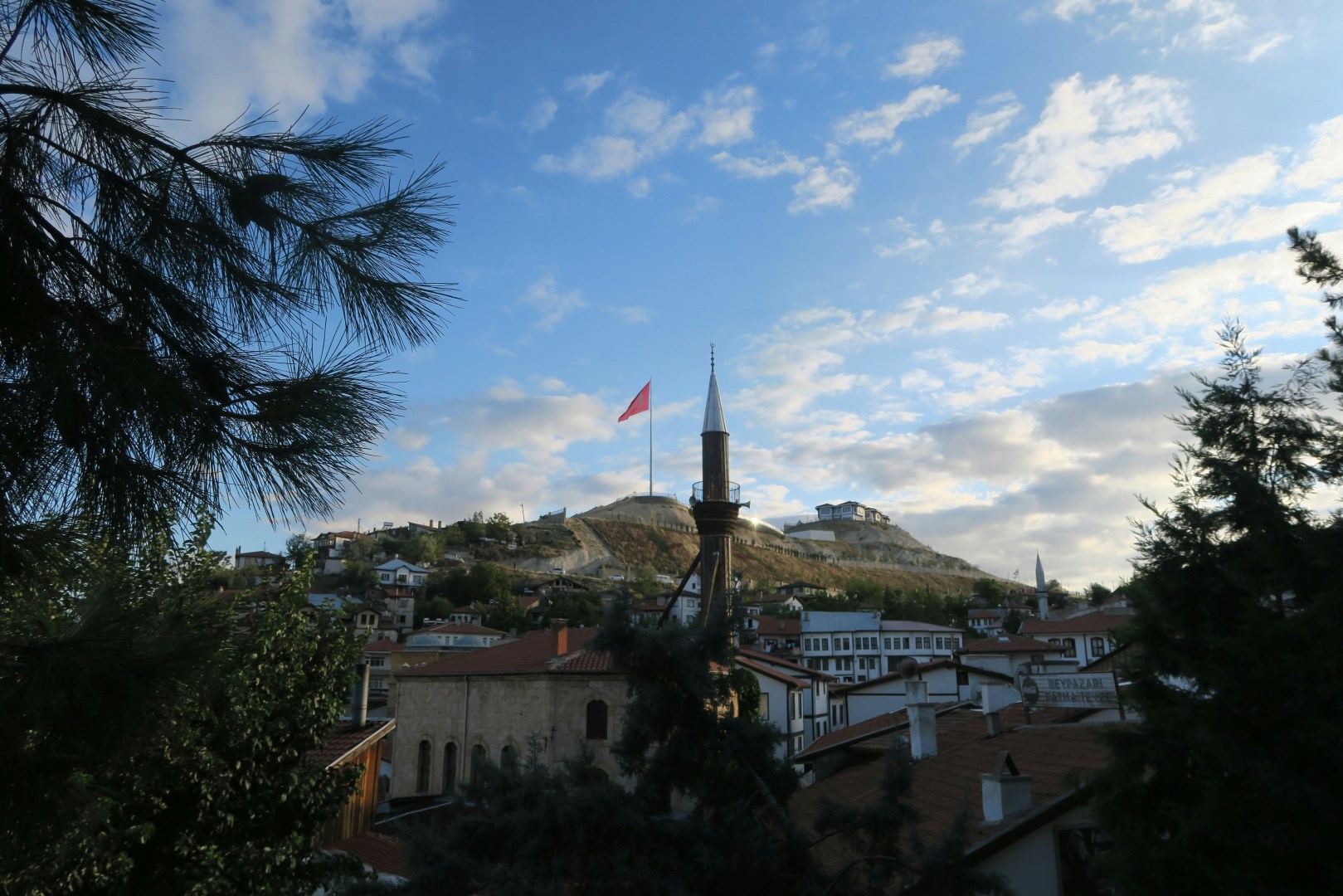
Beypazari
Beypazarı is a historic town in Ankara Province, Turkey, situated on the edge of the Central Anatolian plateau. It is recognized for its well-preserved Ottoman-era houses, narrow streets, and strong connection to traditional crafts. The town serves as both a residential center and a cultural destination, where restored buildings now function as museums, guesthouses, and workshops.

Gdansk
Gdańsk, a vibrant port city on Poland's Baltic coast, is a hidden gem that seamlessly blends rich history with modern charm. As the largest city in northern Poland, Gdańsk has a unique identity shaped by centuries of trade, political turmoil, and cultural exchange. The city's Old Town is a feast for the eyes, with its beautifully reconstructed buildings that harken back to its Hanseatic glory days.
