

Geiranger
Nestled in the heart of Norway's spectacular fjord region, Geiranger is a village where nature takes center stage. Set against the breathtaking Geirangerfjord, this charming destination captivates visitors with its towering cliffs, shimmering emerald waters, and dramatic waterfalls. Whether exploring by boat along the fjord’s serene waters or hiking to viewpoints like Dalsnibba, visitors are treated to unforgettable panoramic vistas that showcase the area’s raw beauty from every angle.
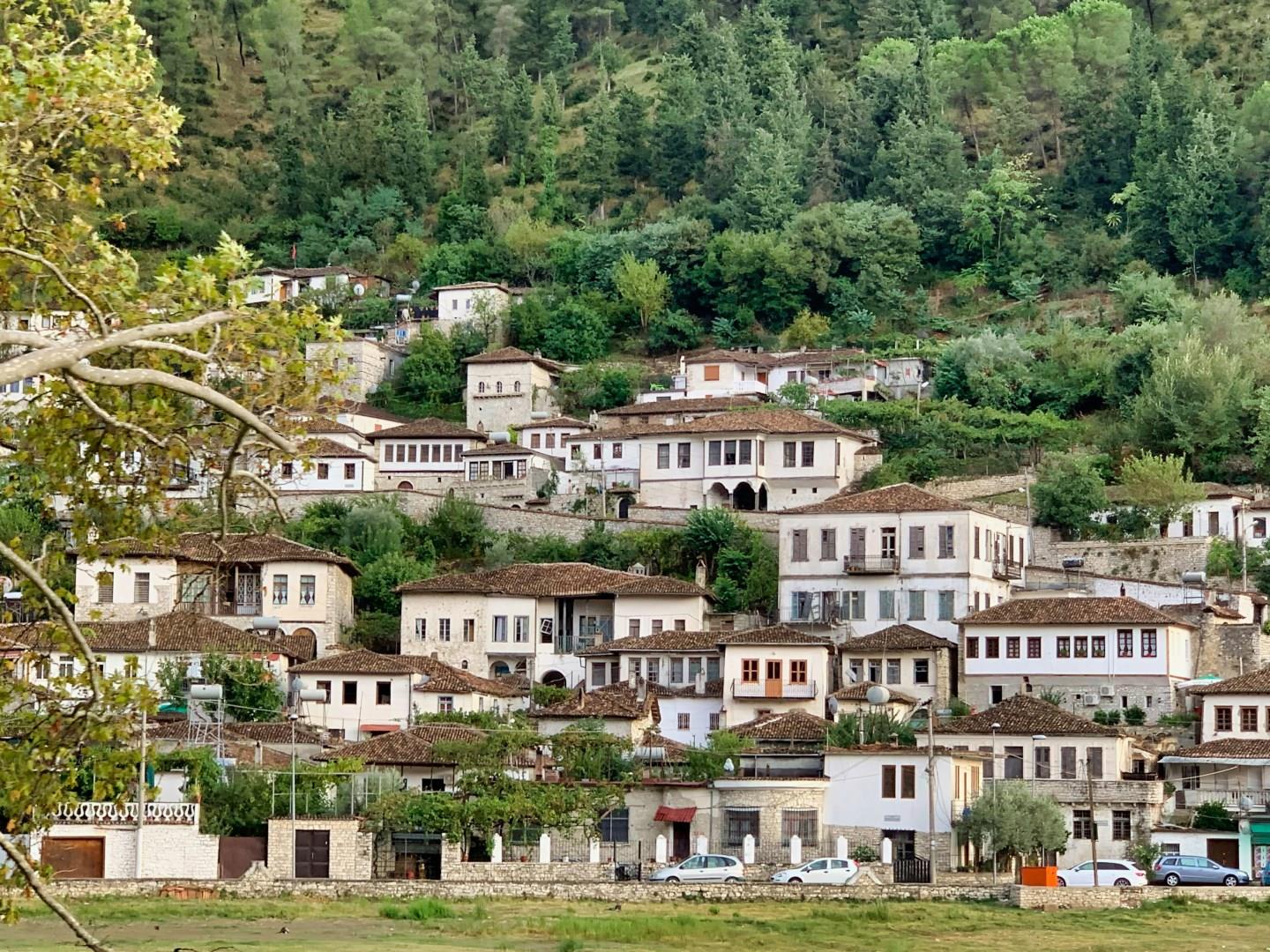
Berat
Berat, set along the Osum River in central Albania, is a city shaped by centuries of continuity and coexistence. Known as the City of a Thousand Windows, its white Ottoman-era houses climb the hillside toward a hilltop fortress, creating a striking and harmonious skyline.

Jaisalmer
Jaisalmer, known as the "Golden City" of India, rises from the sands of the Thar Desert with a breathtaking display of medieval architecture and vibrant culture. Dominated by its imposing fort, the Jaisalmer Fort, a UNESCO World Heritage Site, this city is a striking example of Rajput architecture.

Kinderdijk
Replete with windmills and old-world charm, the village of Kinderdijk lies east of Rotterdam on the Lek River and is a popular stop for European river cruises. Home to the largest concentration of old windmills in the Netherlands, Kinderdijk was designated a UNESCO World Heritage Site in 1997.

Arusha
Arusha, Tanzania is a destination for adventurers! Situated between Mount Kilimanjaro National Park and Serengeti National Park, Arusha is an ideal starting point for your next Tanzanian safari trip and is a gateway city for climbers interested in summiting Mount Kilimanjaro, Africa's highest peak.
