
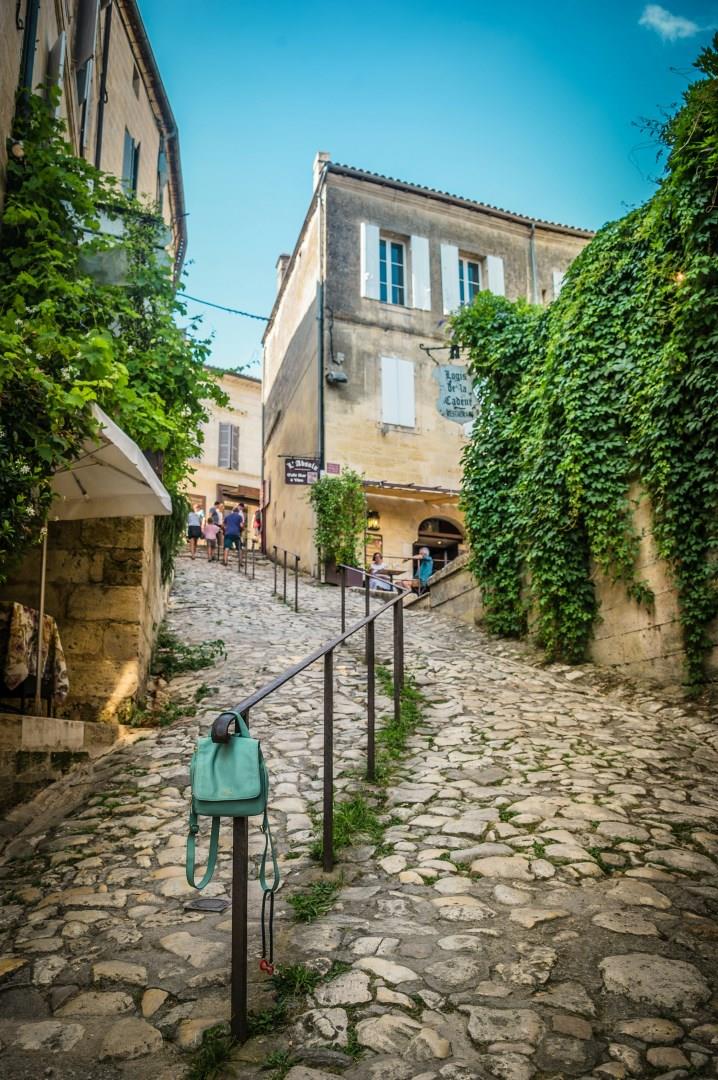
Saint-Émilion
Saint-Émilion, nestled in the heart of southwest France, is a living monument to centuries of craftsmanship, faith, and wine-making. Recognized as a UNESCO World Heritage Site since 1999, this medieval town sits on a limestone plateau surrounded by vineyards that date back to Roman times. Visitors can explore cobbled streets that wind past centuries-old stone houses, descend into underground catacombs carved by monks, and visit the astonishing Monolithic Church.

Fuerteventura
The Old Canary Country is the island with the longest coast line, offering wide plains, gentle valleys, and huge beaches. Some of its beaches compare with the best in the world.
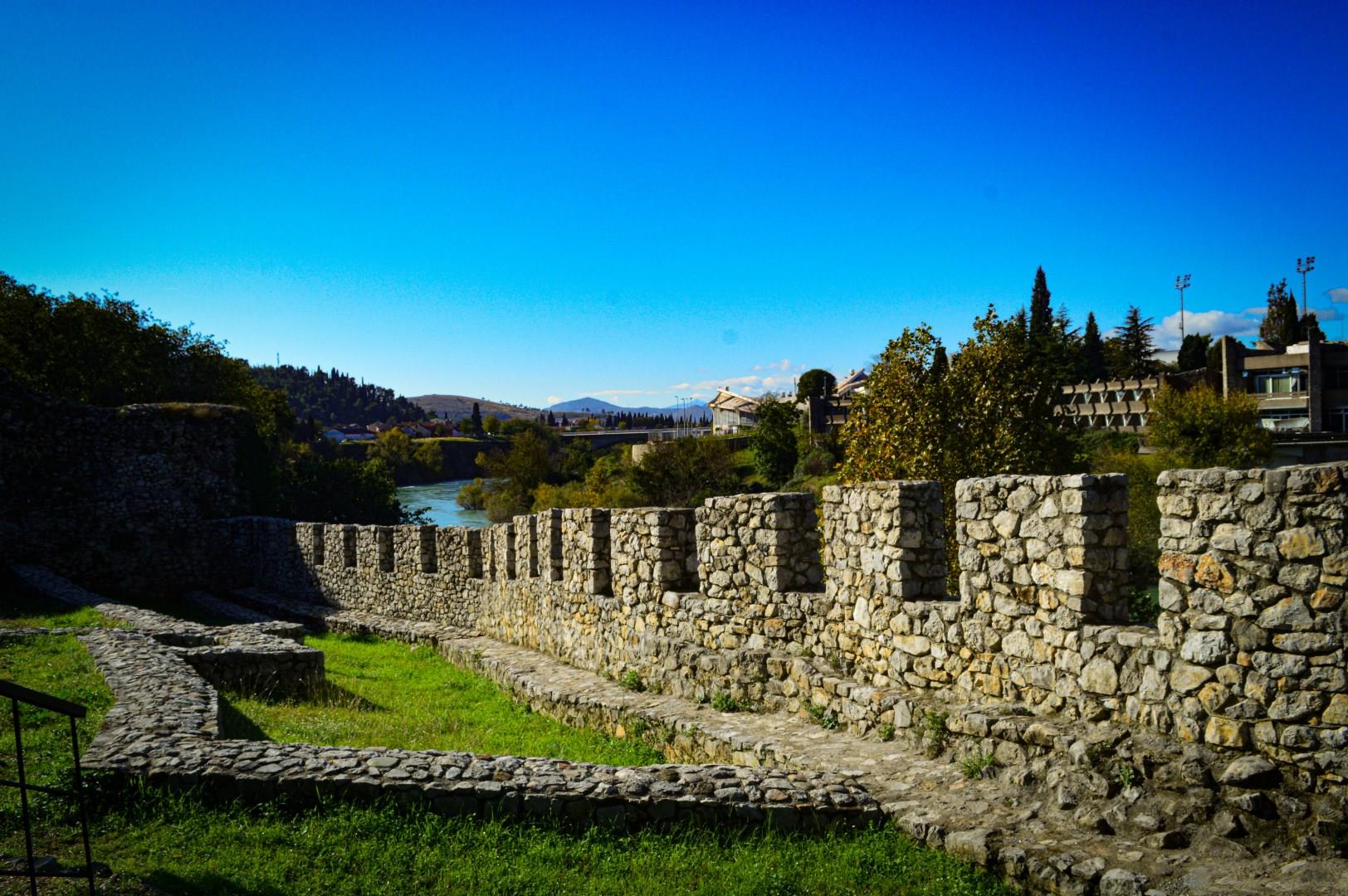
Podgorica
Podgorica, the capital of Montenegro, showcases the country’s contrasting landscapes and deep-rooted history. Although much of the city was rebuilt after World War II, traces of its Roman and Ottoman past still remain. Visitors can explore the ruins of Doclea, a Roman settlement just outside the city, where surviving columns and mosaics give a glimpse into life nearly two millennia ago.
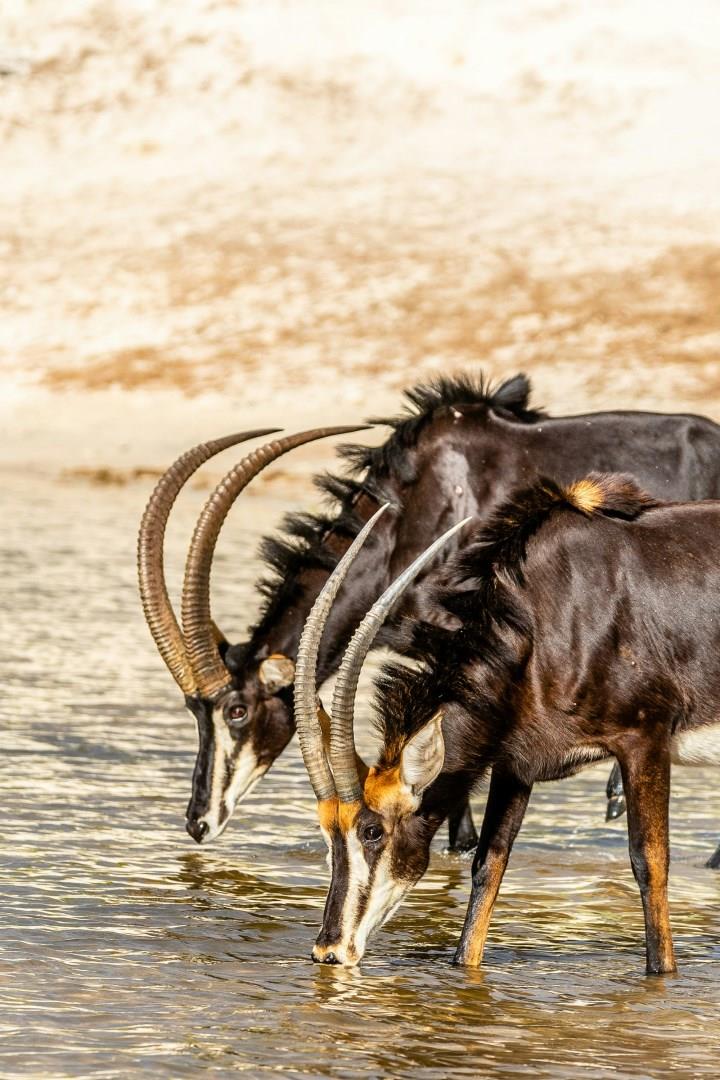
Linyanti Wildlife Reserve
Linyanti Wildlife Reserve, tucked into the northern reaches of Botswana near the Chobe River, is a remote and pristine safari destination known for its rich biodiversity and exclusivity. Covering more than 275,000 acres of wilderness, the reserve is defined by floodplains, lagoons, woodlands, and savannah, creating a mosaic of habitats that sustain an impressive array of wildlife.

Troy
Troy, a place of legends and a place of history. One of the most famous cities of ancient history, the mythological city of Troy dates back to the early Bronze Age. Best known as the famous city of Helen and the horse of Trojans from Homer's Iliad.
