

Cartagena
A true gem on the Caribbean coast, the port city of Cartagena (Cartagena de Indias) welcomes visitors with its charming old town, colonial buildings, and exceptional beaches. A popular cruise ship stop, many seafarers find themselves honorary Cartagenans, as they stroll shady, cobblestone lanes and gaze upon impressive churches.

Vik
Perched on the southern coast of Iceland, the quaint village of Vík í Mýrdal, or simply Vík, is a destination that defies expectations with its dramatic landscapes and unique charm. Known as Iceland’s southernmost village, Vík is famed for its striking black sand beach, Reynisfjara, consistently ranked among the most beautiful non-tropical beaches in the world.

Athens
Ancient history comes alive in Athens, the capital of Greece. Gaze in wonder at the Acropolis and its iconic crown, the Parthenon. Take a deeper dive into the past and visit both the Acropolis Museum and the National Archaeological Museum, which house fascinating artifacts from this ancient city.
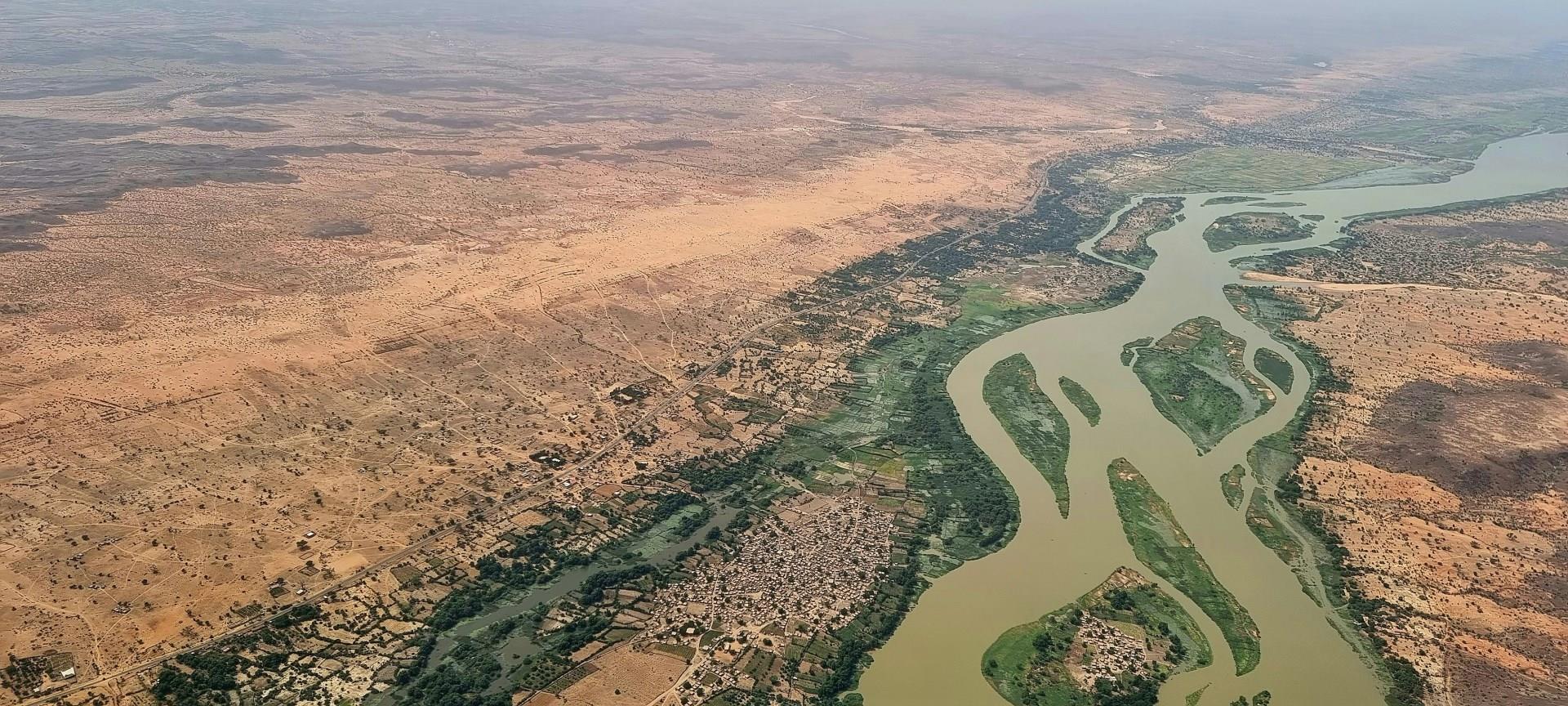
Niamey
Niamey, the capital of Niger, sits along the banks of the Niger River and serves as the country’s political, economic, and cultural center. Its riverside setting provides both scenic views and a hub for local activities, from fishing to small boat transport.

Spain
Spain offers a wide range of experiences shaped by centuries of layered history and regional diversity. From the Moorish palaces of Andalusia to the Roman aqueduct in Segovia and the Gaudí-designed landmarks of Barcelona, each city reflects a different chapter in Spain’s past. In Granada, the Alhambra still stands as a masterpiece of Islamic architecture, with detailed carvings, hidden courtyards, and panoramic views of the Sierra Nevada mountains.
