
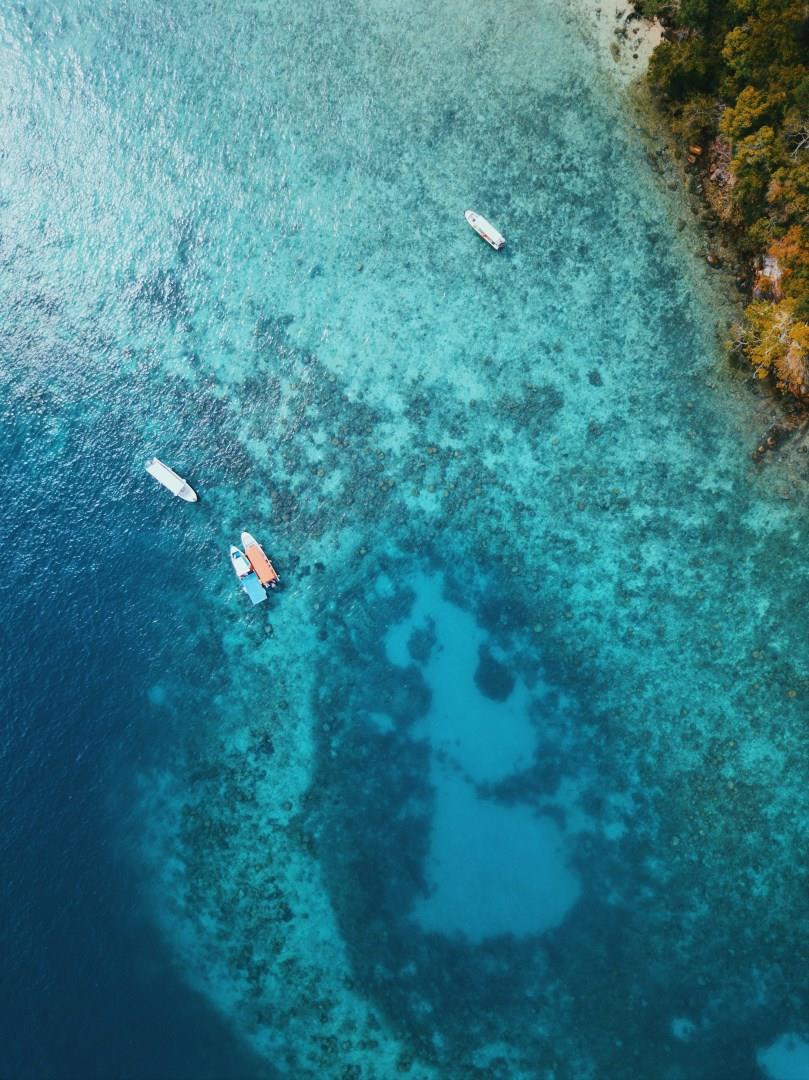
Kota Kinabalu (Borneo)
Kota Kinabalu, the capital of Sabah on the island of Borneo, is a vibrant city where modern life meets wild landscapes. Overlooking the South China Sea and backed by lush rainforests and mountains, it serves as both a cultural hub and a gateway to Borneo’s extraordinary biodiversity.
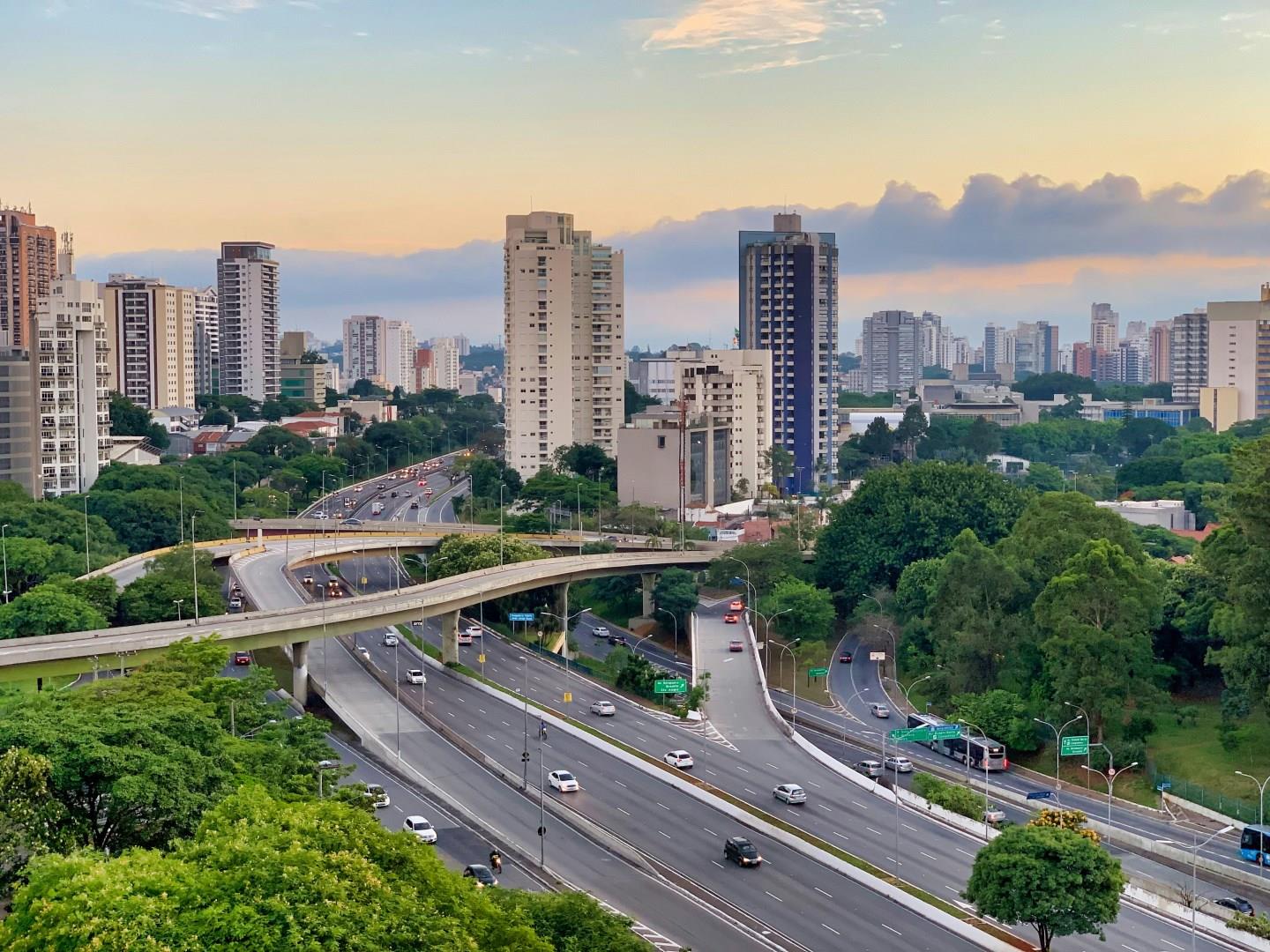
Sao Paulo
Sao Paulo is Brazil’s largest city and its economic engine, shaped by waves of migration that began in the late 19th century and never truly slowed. Italians, Japanese, Lebanese, and migrants from across Brazil all left visible marks on the city’s neighborhoods, food, and cultural life.

Istanbul
Istanbul is a city built on layers of empire. Spanning two continents, it was once the capital of three major empires: Roman, Byzantine, and Ottoman. Visitors walking through the Sultanahmet district can witness this timeline firsthand, from the Roman-era Hippodrome to the Byzantine mosaics of Hagia Sophia, and the towering minarets of the Blue Mosque. At nearby Topkapi Palace, rooms still display the jeweled swords, ceremonial robes, and handwritten Qurans once used by Ottoman sultans.

Vaduz
Nestled between Switzerland and Austria, Vaduz, the capital of Liechtenstein, is a charming alpine destination with a blend of modern culture and medieval history. Overlooked by the stunning Vaduz Castle, the official residence of the reigning prince, this small yet vibrant city offers breathtaking views of the Rhine Valley and surrounding mountains

Nelson
Nelson sits along the West Arm of Kootenay Lake in southeastern British Columbia, embraced by the rugged peaks of the Selkirk Mountains and threaded with over 350 heritage buildings that tell the story of its silver-rush beginnings. A short trip outside town leads to spots like the Salmo–Troup Rail Trail, a wide, gentle path that follows an old rail line for kilometers through forest and alongside rivers.
