
Senegal
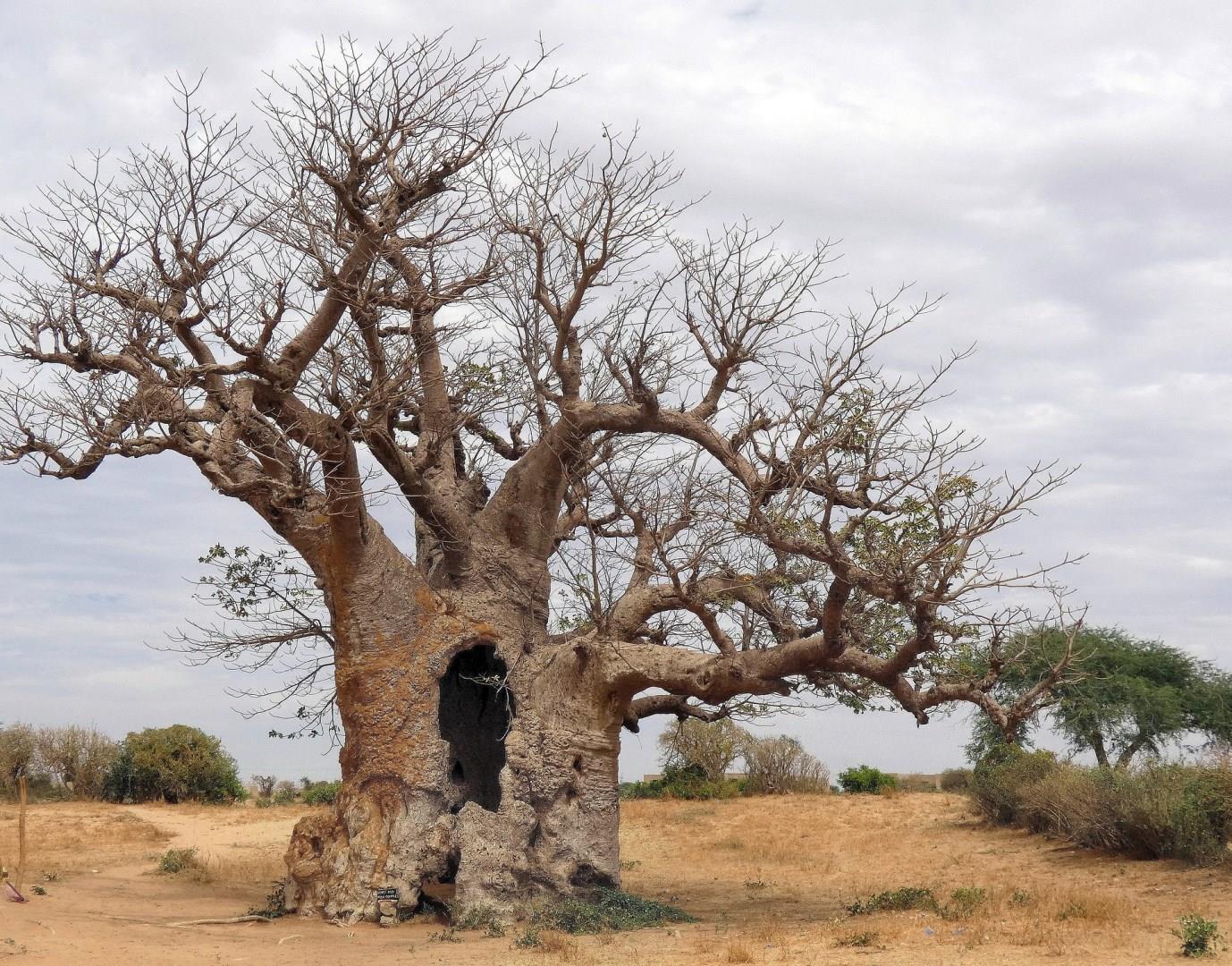
Senegal, located on the westernmost tip of Africa, is a country where vibrant traditions meet striking natural beauty. Its capital, Dakar, sits on the Cape Verde Peninsula and is known for its bustling markets, lively music scene, and impressive art galleries.
Algiers
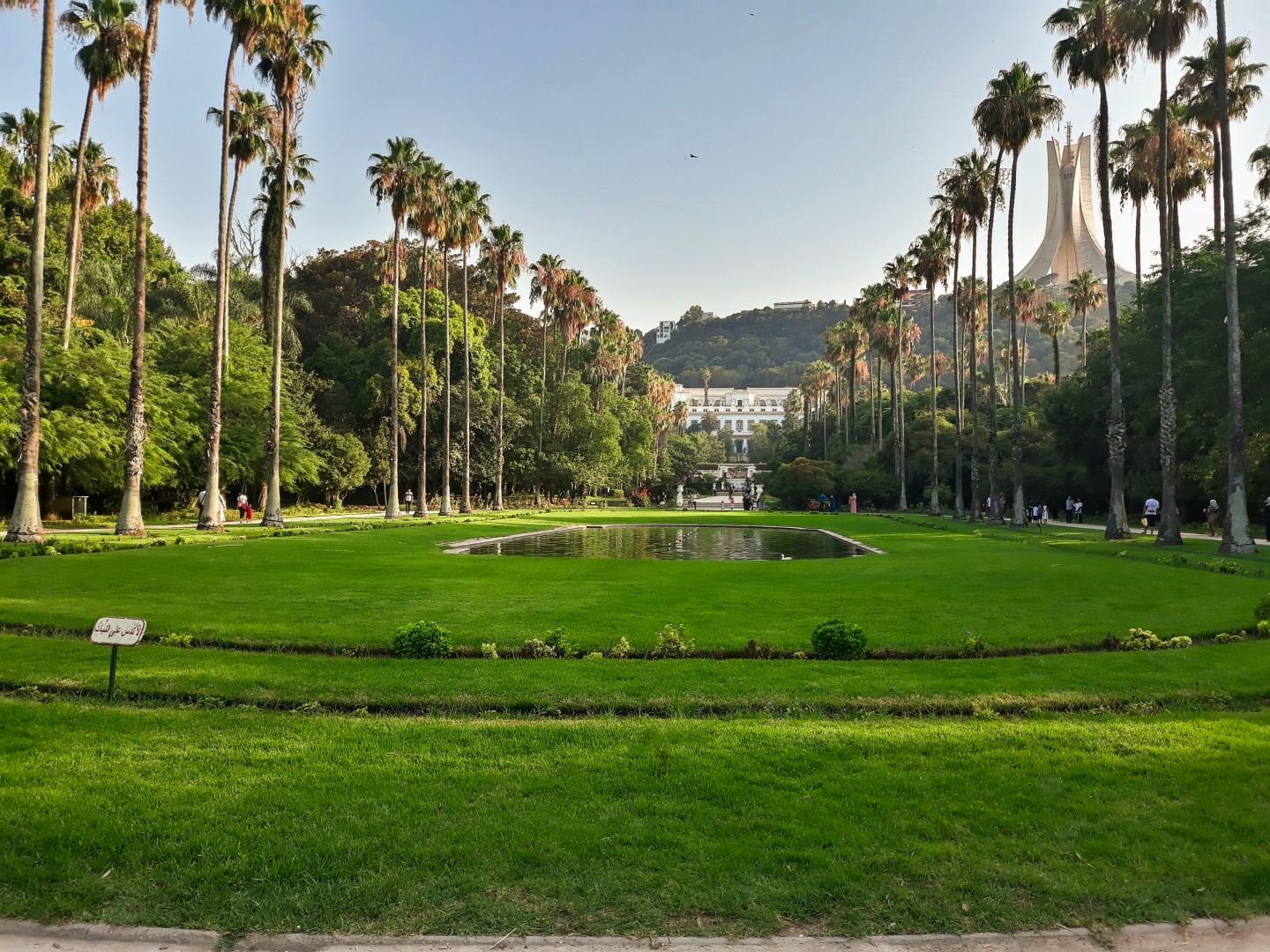
Algiers, Algeria’s capital, is a city where centuries of history unfold along the shores of the Mediterranean. Known as “El Bahdja,” or “The Joyful,” Algiers blends striking buildings, seaside breezes, and layered stories. One of its most iconic landmarks is the Casbah, a UNESCO World Heritage site with maze-like alleyways, Ottoman-era palaces, and hidden terraces overlooking the bay. The Grand Post Office, with its striking facade and intricate neo-Moorish details, anchors the city’s downtown.
Turin
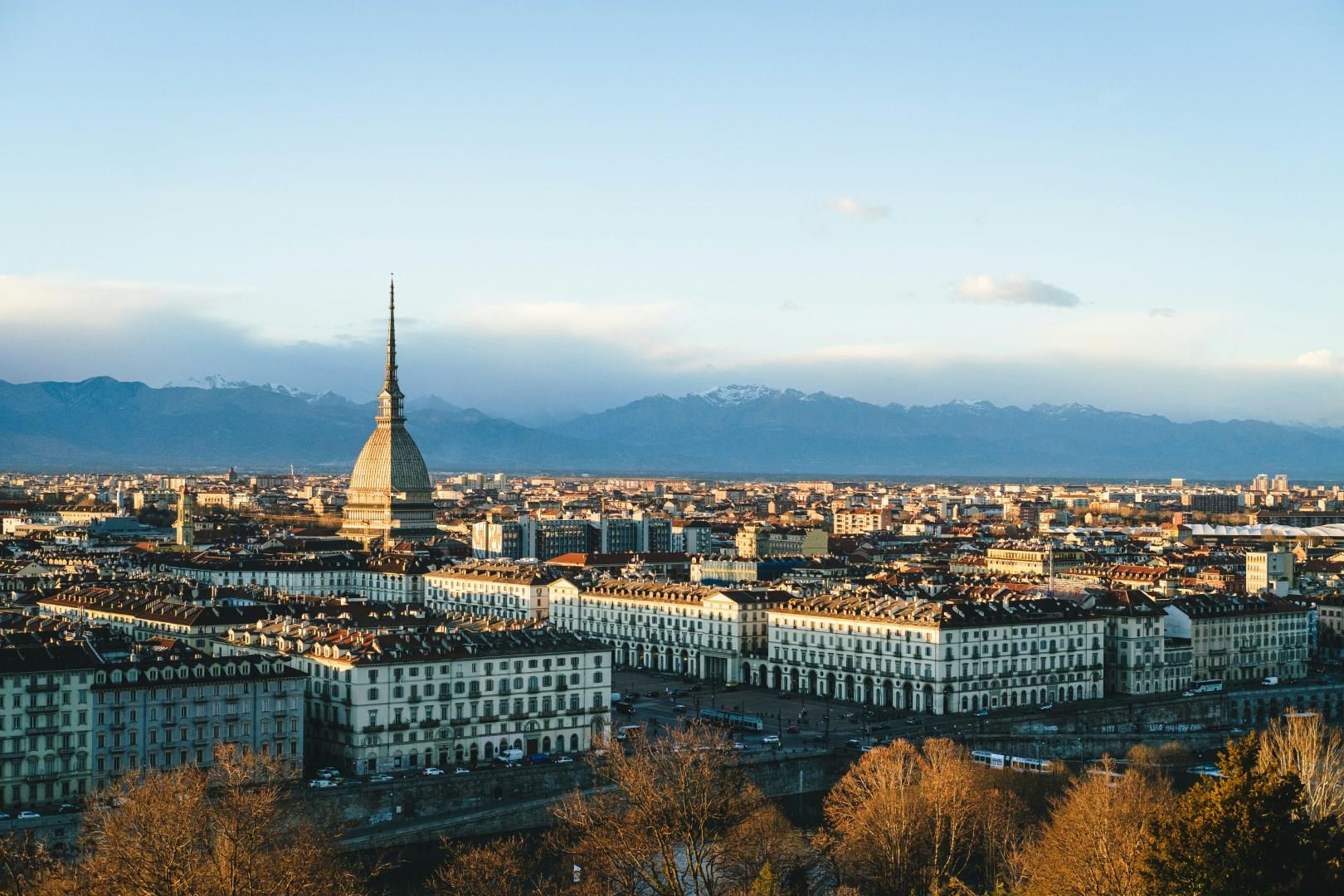
Turin carries a regal atmosphere reflected in its palaces, wide boulevards, and arcaded streets. Its history as a political and cultural powerhouse is still evident today, while its role as the birthplace of Fiat underscores its influence on modern industry.

Nuremberg
Nuremberg is Bavaria’s second-largest city and for centuries was the undeclared capital of the Holy Roman Empire. There is plenty to do and see, starting with picturesque charm of the Old Town, situated at the foot of the Kaiserburg.

Tournus
Nestled in the picturesque Burgundy region of France, Tournus offers a charming glimpse into both its rich medieval history and its delightful contemporary culture. One of the city’s standout landmarks is the Abbey of Saint-Philibert, a remarkable example of Romanesque architecture. Founded in the 10th century, this abbey features stunning stone carvings and a tranquil cloister, making it a must-visit for history and architecture enthusiasts.
