

Mannheim
This city, which started as a modest fishing village, now offers plenty of modern German charm. The extensive public transportation makes it a perfect home base for seeing nearby attractions such as Heidelberg. Mannheim is known for its many pretzel stands, so make sure you indulge in one of these delicious treats before you leave!
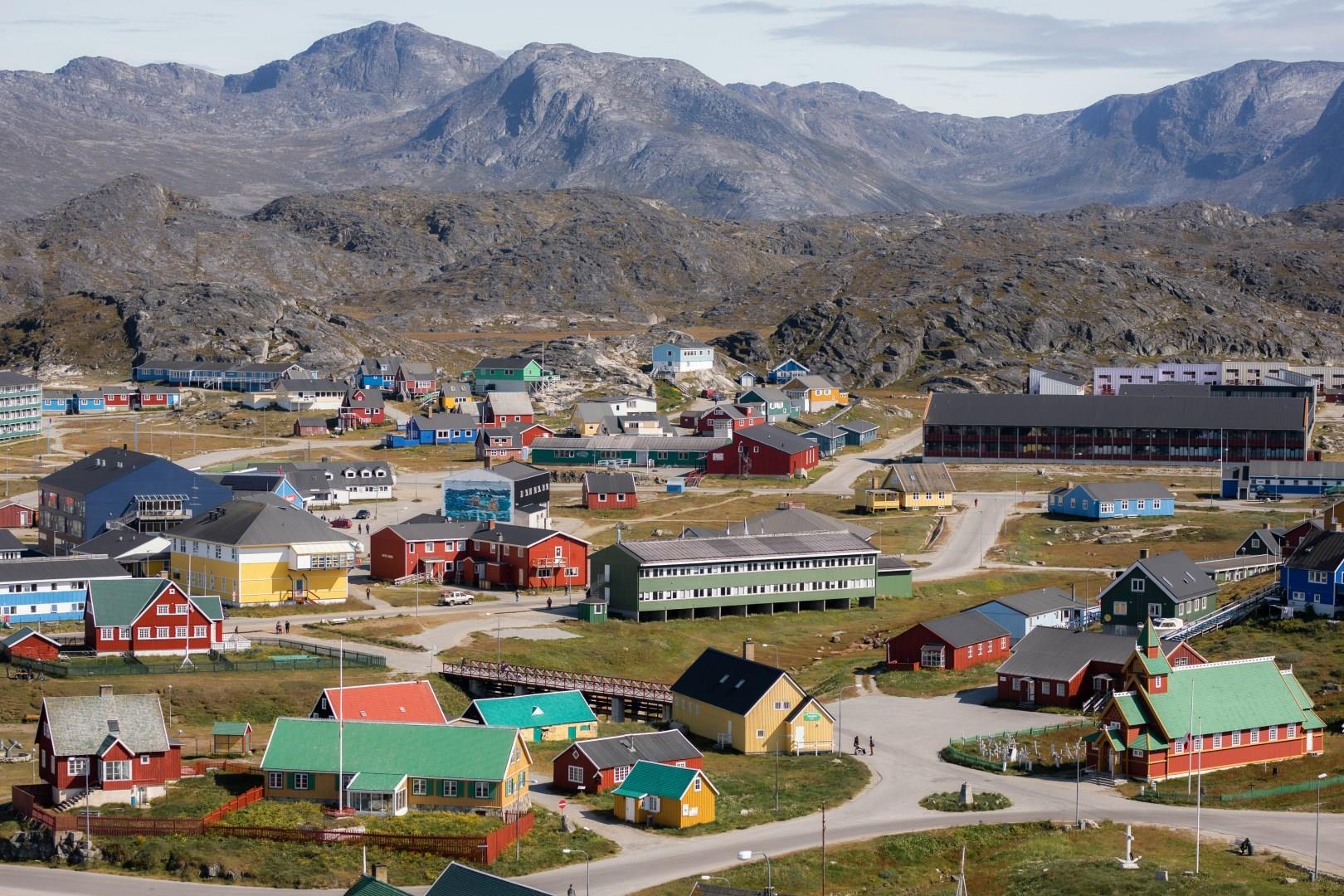
Paamiut
Paamiut lies on Greenland’s southwest coast, where the Labrador Sea meets a rocky, fjord-cut shoreline. Established in the 18th century as a Danish trading post and mission, the town developed around fishing and sealing, activities that continue to shape daily life.

Assisi
Assisi, Italy, is a city where history and spirituality intertwine, creating an atmosphere that is both serene and awe-inspiring. Perched on the slopes of Mount Subasio in the Umbria region, Assisi is best known as the birthplace of St. Francis, one of the most beloved saints in Christianity. The city is a pilgrimage site for those seeking to walk in the footsteps of St. Francis, with the majestic Basilica of San Francesco d'Assisi standing as a testament to his enduring legacy. This UNESCO Worl

Middelburg
Whether uncovering its past, enjoying its culinary delights, or simply soaking in the peaceful atmosphere, the picturesque Dutch city of Middelburg leaves a lasting impression on all who visit.

Rousse
Rousse, Bulgaria, often referred to as "Little Vienna," sits gracefully on the banks of the Danube River. Known for its rich history, stunning architecture, and vibrant culture, Rousse offers a glimpse into Bulgaria's past while embracing the future. The city's central square, Svoboda (Freedom) Square, is a great starting point for exploring.
