

Napier
On the east coast of North Island, Napier is considered the "Art Deco capital" of New Zealand and the gateway to the Hawke's Bay wine region, whose popular varietals include pinot gris and syrah.

Albania
Albania offers travelers a surprising and diverse experience shaped by centuries of influence. Visitors can explore the ancient city of Butrint, a UNESCO World Heritage Site with Greek, Roman, Byzantine, and Venetian ruins set against a lagoon. In Berat and Gjirokastër stone houses stack along steep hillsides, giving visitors the sense of walking through a living museum. These towns offer an authentic window into daily Albanian life.
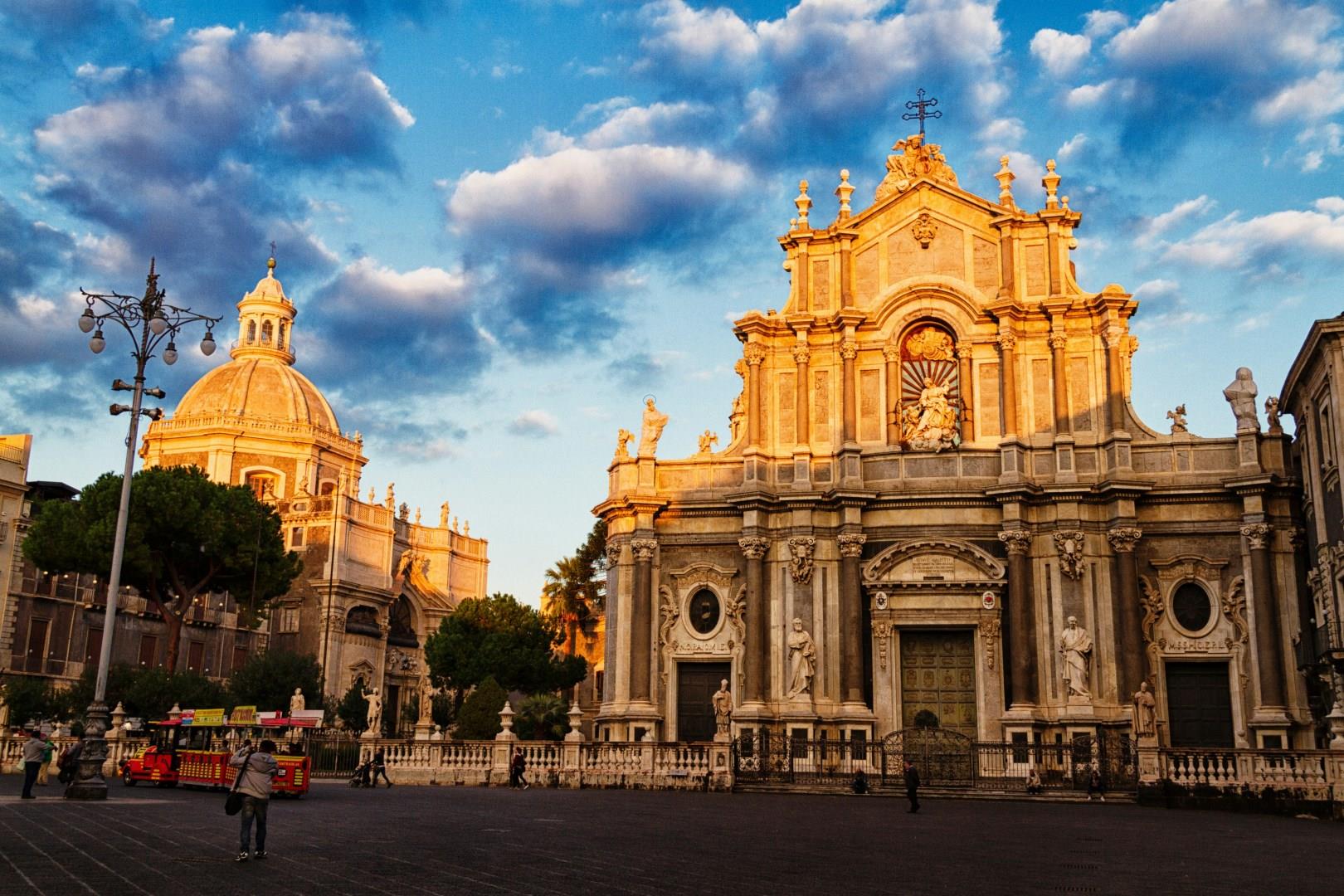
Catania
Catania, nestled on the eastern coast of Sicily, is a city shaped by fire and stone. Built from the black lava of Mount Etna, it’s a landscape filled with energy and contrasts from its Baroque palaces to its open air fish markets. At the heart of the city stands the Piazza del Duomo, where the iconic Fontana dell’Elefante, which is carved from volcanic rock, greets every visitor who passes by.

Nafplion
Nafplion, a picturesque coastal town in the Peloponnese, is often hailed as one of Greece's most charming and romantic destinations. As the first capital of modern Greece, Nafplion boasts a rich history, evident in its well-preserved neoclassical buildings, Venetian fortresses, and Ottoman influences.
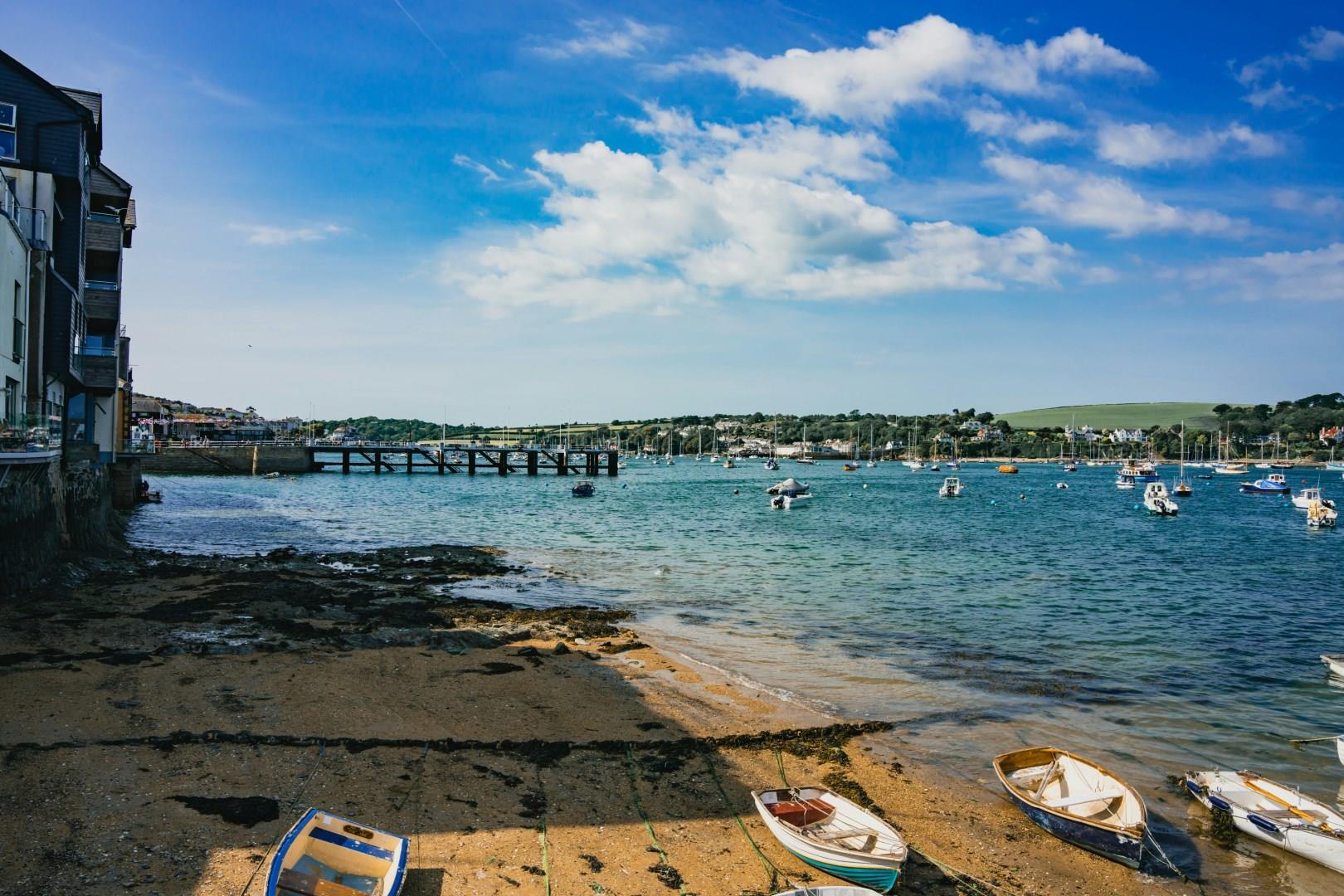
Falmouth
Falmouth, on Cornwall’s south coast, grew around one of the world’s largest natural harbors, a feature that has shaped its maritime identity for centuries. The town expanded during the age of sail, serving as a key port for packet ships, and landmarks like Pendennis Castle still anchor Falmouth firmly in its naval past.
