

Ushuaia
Are you ready to go to the End of the World? Stunning views of snow-capped mountain peaks await you in Ushuaia, located on the southernmost tip of South America. This small coastal town sits between the Martial Mountains and the Beagle Channel and is a popular embarkation point for Antarctic cruises. Visit some of Ushuaia's popular attractions, including Les Éclaireurs Lighthouse, Tierra del Fuego National Park, Lapataia Bay, and the Museo del Fin del Mundo.
Namibia
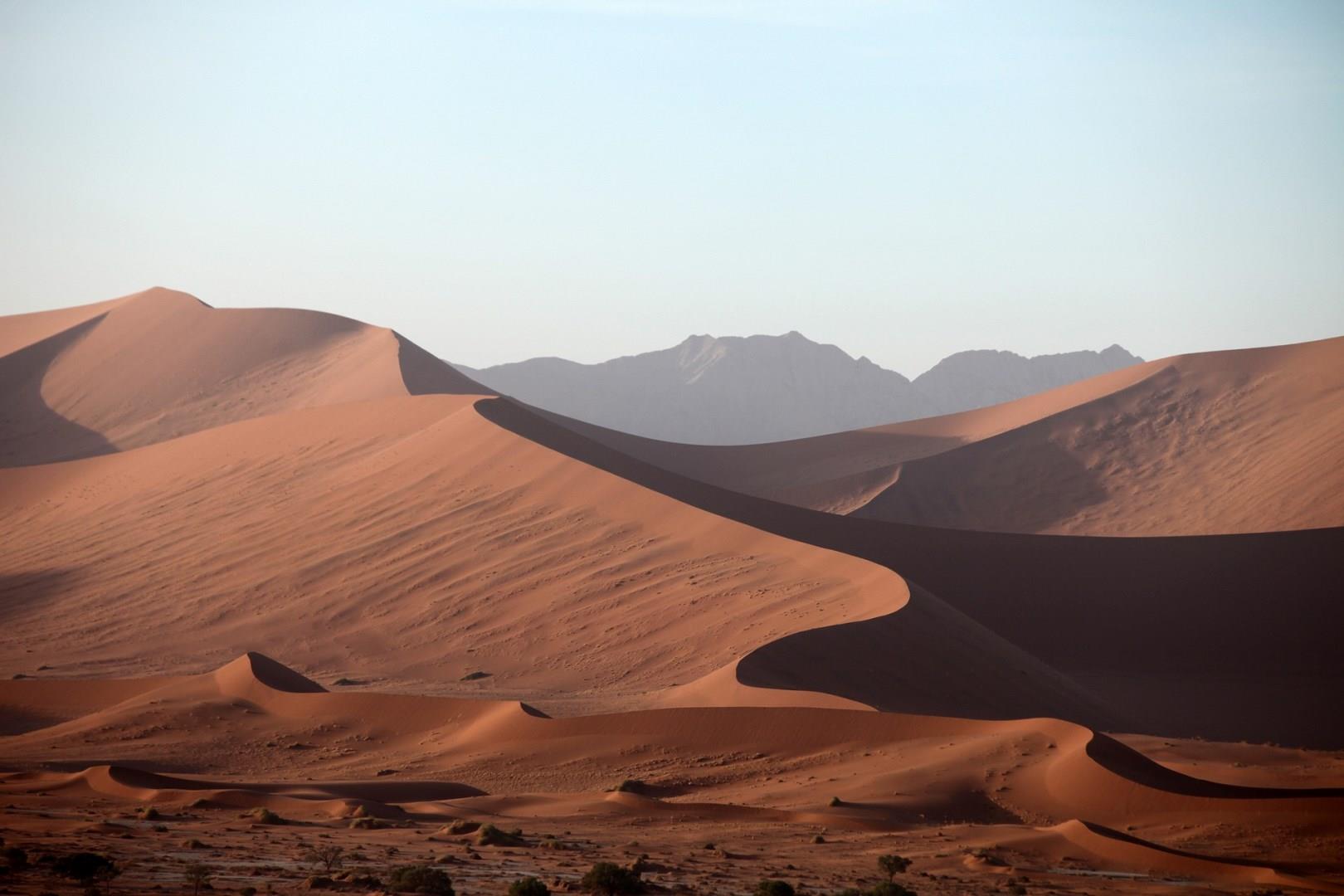
Namibia, in southwestern Africa, is a land of dramatic landscapes and striking contrasts. From the towering sand dunes of the Namib Desert to the rugged mountains and deep canyons of Damaraland, the country offers some of the continent’s most unique scenery.
Albuquerque
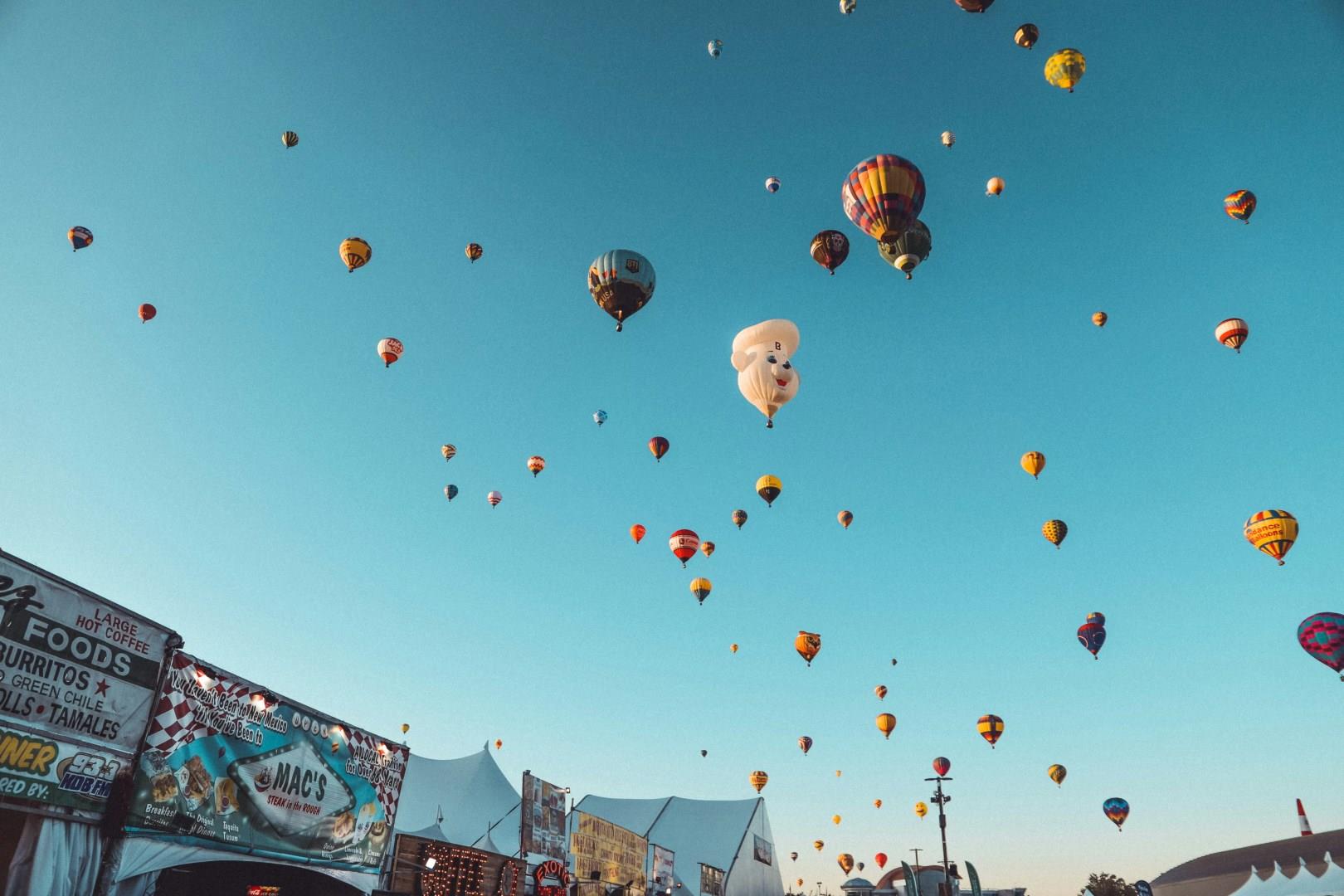
Albuquerque, New Mexico, is a city where centuries-old adobe architecture, desert landscapes, and modern innovation meet beneath some of the clearest skies in the country. Every October, Albuquerque becomes the site of one of the most photographed events in the world: the Albuquerque International Balloon Fiesta. For nine crisp mornings, hundreds of hot air balloons rise over the city, painting the sky in brilliant colors and wild shapes with everything from farm animals to space aliens.

Slovakia
Slovakia is a country shaped by mountains, castles, and centuries of shifting borders. Tucked in the heart of Europe, it offers visitors a chance to explore medieval towns, alpine peaks, and deep-rooted traditions still practiced in daily life. Bratislava, the capital, sits along the Danube River and is one of the few national capitals that borders Austria and Hungary.
Tonga
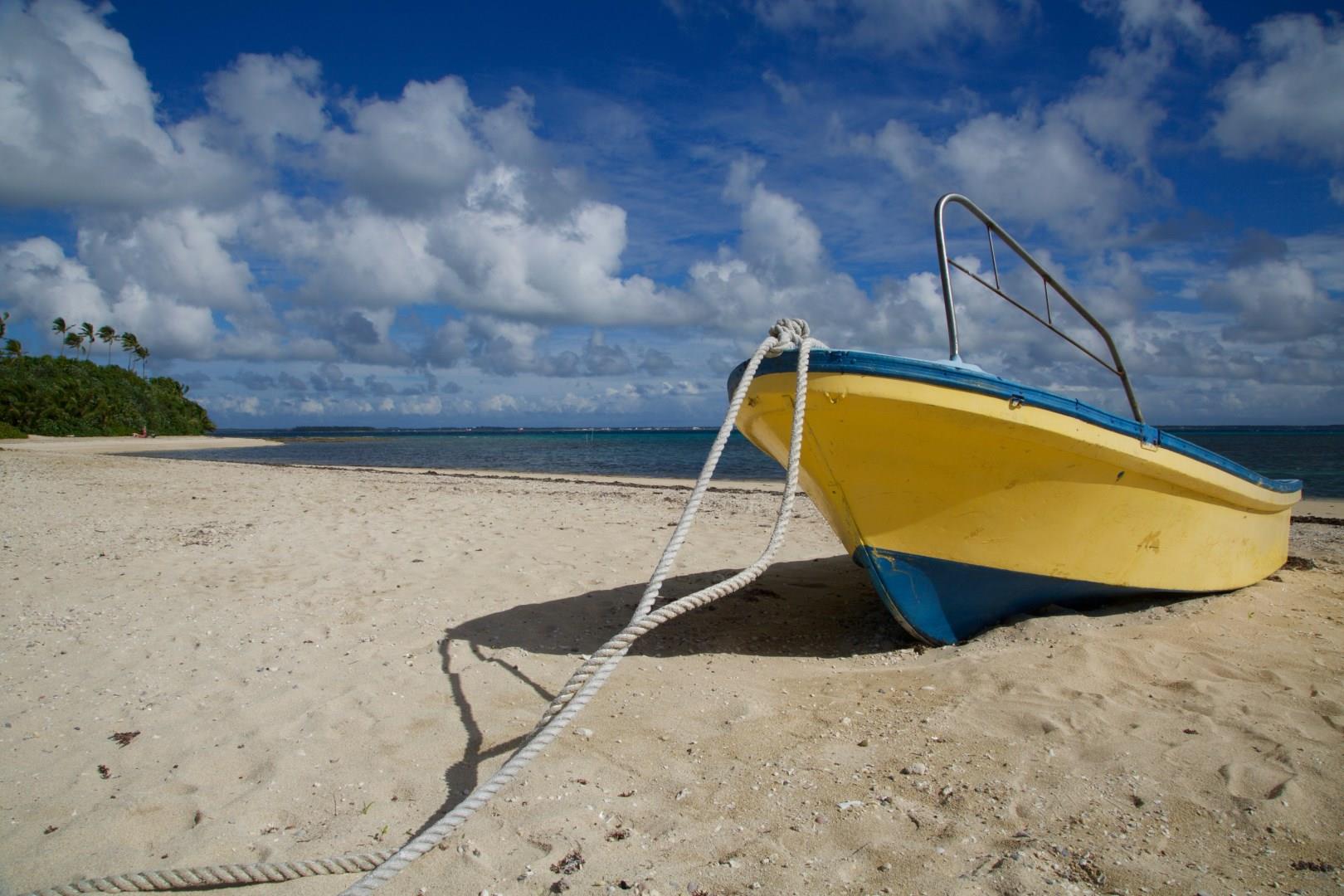
Tonga is distinctly different to its neighboring island nations. This Polynesian kingdom, made up of 170 islands, carries a proud history that dates back over 3,000 years. On the main island of Tongatapu, travelers can explore ancient stone structures like the Haʻamonga ʻa Maui Trilithon—sometimes called the Stonehenge of the Pacific. Royal tombs in Lapaha offer a glimpse into the lineage of Tonga’s kings, while village life remains guided by customs that have changed little over centuries.
