
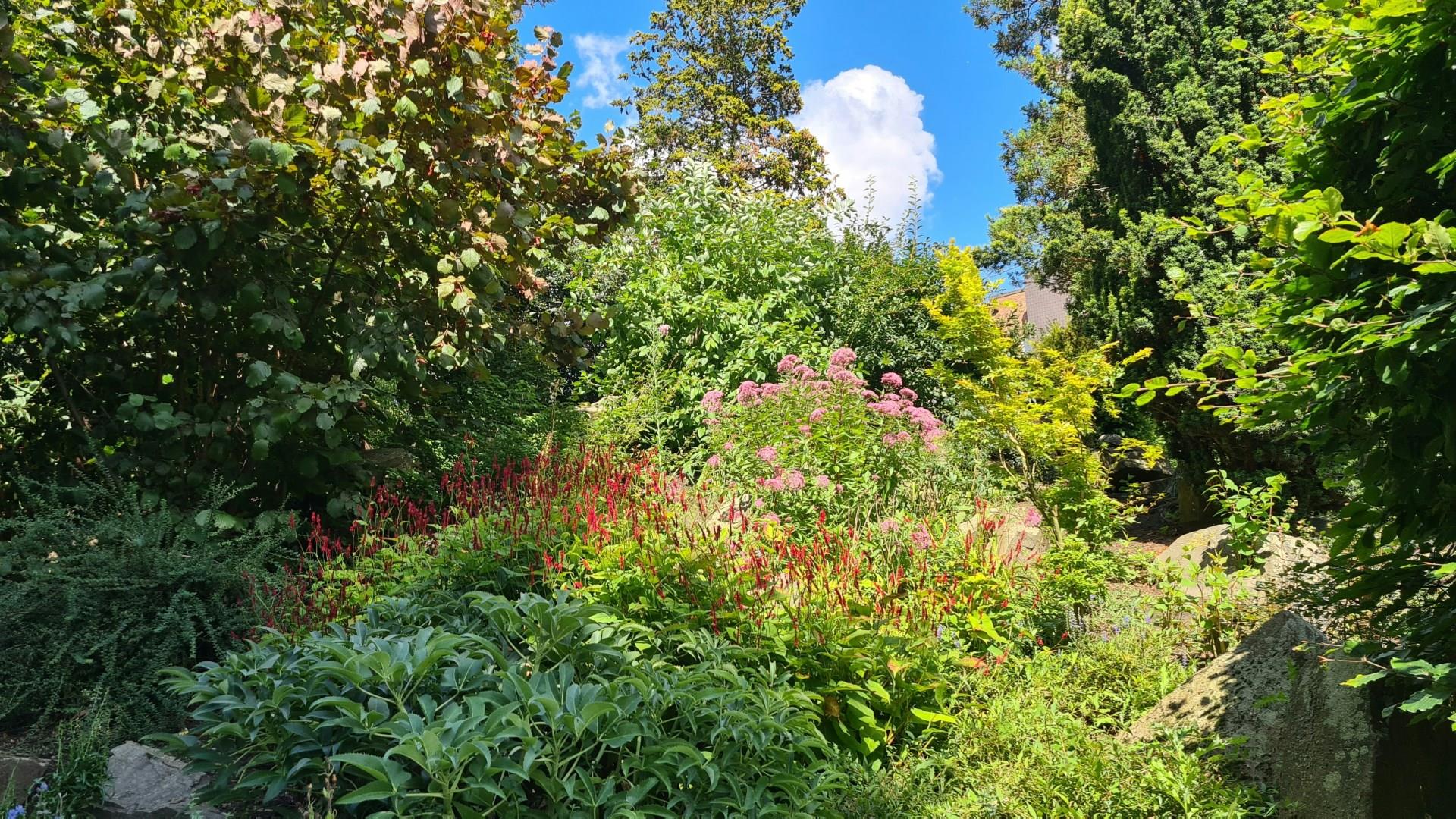
Liège
Liège, located along the Meuse River in eastern Belgium, is a city shaped by industry, resilience, and an independent spirit that dates back centuries. Once the capital of a powerful prince-bishopric, Liège has always done things its own way and is lived-in and layered with working neighborhoods, student cafés, and markets that tell the city’s real story. Every Sunday, locals gather at La Batte, one of the oldest and largest outdoor markets in Belgium.

Shannon
Nestled in the heart of County Clare, Shannon, Ireland, is a charming town renowned for its rich history and vibrant culture. Visit Shannon between May and September for the best weather and to enjoy local festivals and events that celebrate the town’s vibrant culture and community spirit.
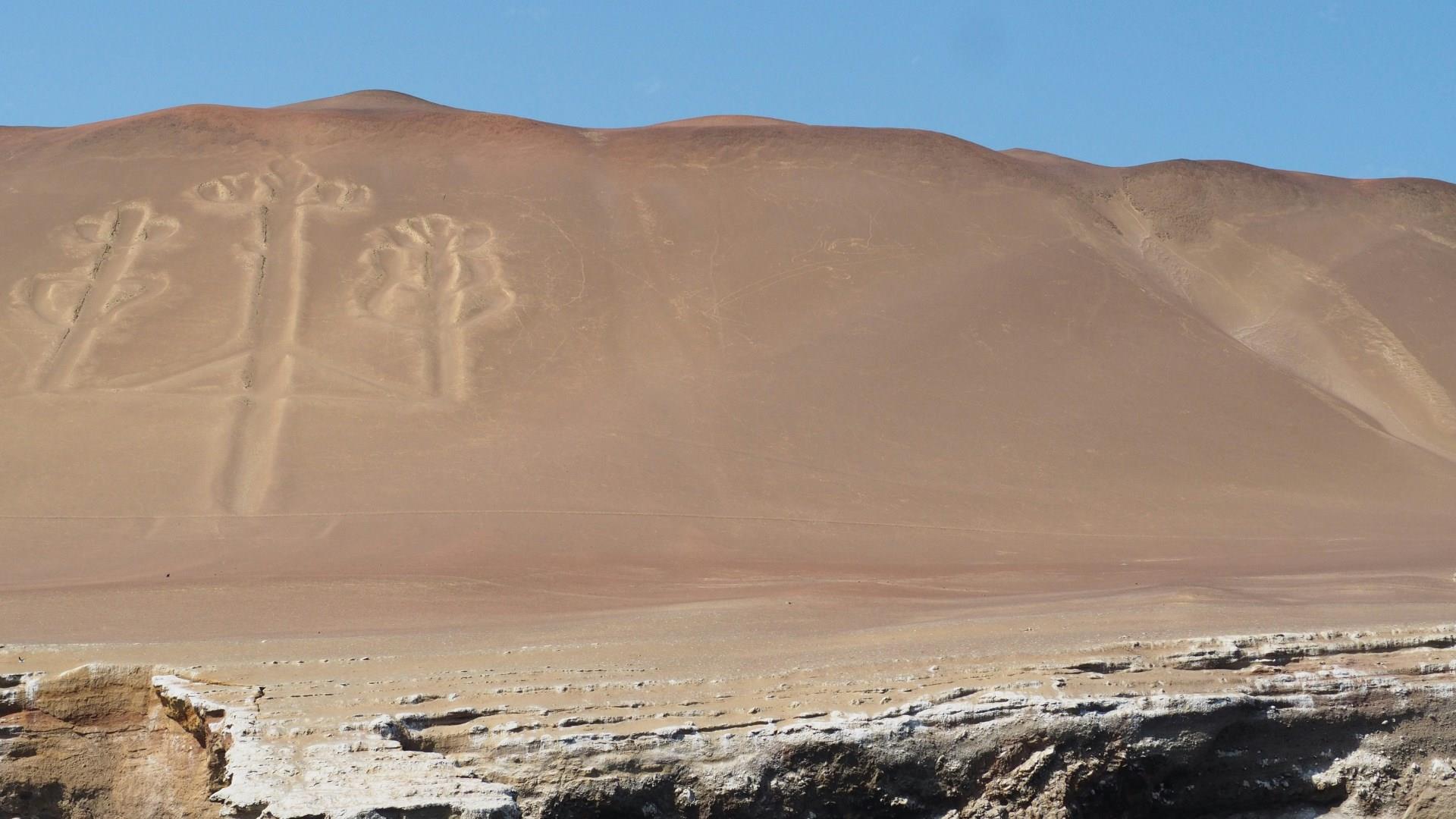
Paracas
Paracas, a small coastal town in southern Peru, offers a mix of desert landscapes, marine wildlife, and ancient history. Just three hours from Lima, it’s the gateway to the Paracas National Reserve, one of the country’s most important protected areas. This reserve includes both land and sea, making it home to dramatic cliffs, wind-carved rock formations, and waters where dolphins, sea lions, and Humboldt penguins are frequently seen.

Amalfi
Amalfi, Italy, is a gem nestled along the world-famous Amalfi Coast, where dramatic cliffs meet the shimmering Mediterranean Sea. This enchanting town, once a powerful maritime republic, is now a beloved destination for those seeking a blend of history, culture, and breathtaking natural beauty. The heart of Amalfi is its bustling Piazza del Duomo, dominated by the stunning Amalfi Cathedral.

Kralendijk
There's plenty to explore and savor in this vibrant paradise on the Caribbean Sea, including numerous beaches, an assortment of water sports, and plenty of delicious eats and cocktails.
