

Luxembourg
Luxembourg City, the capital of the Grand Duchy of Luxembourg, is a stunning blend of medieval charm and modern sophistication. Perched atop dramatic cliffs and surrounded by deep gorges, this city offers a unique and breathtaking landscape. The UNESCO-listed Old Town is an essential starting point for visitors, with its ancient fortifications, narrow cobblestone streets, and grand squares.
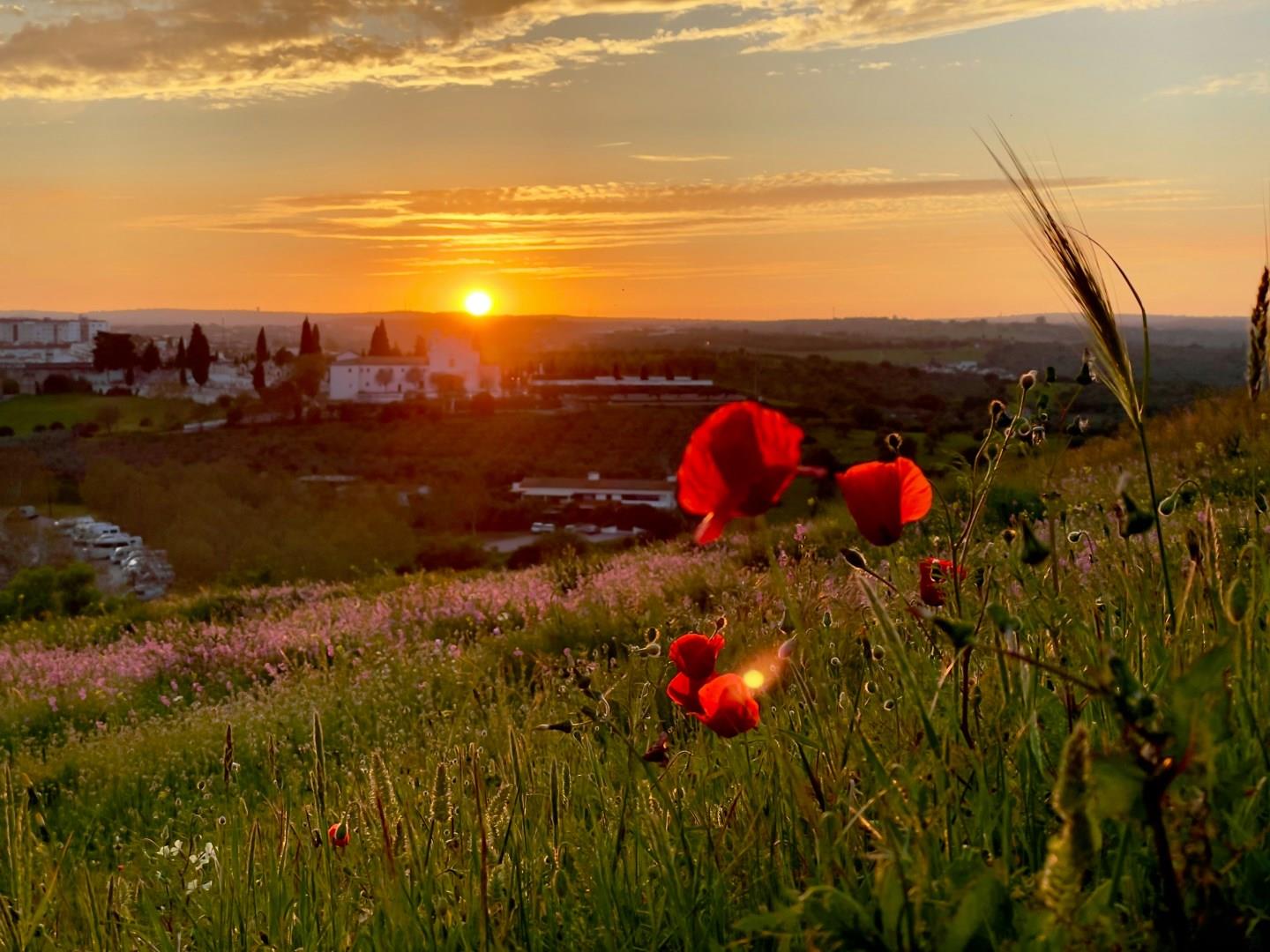
Elvas
Elvas rises from the Alentejo plains near the Spanish border as one of Portugal’s most striking fortified towns, shaped by centuries of defense, resilience, and daily life along the frontier. Encircled by an immense network of walls, bastions, and hilltop forts, the town tells a clear story of strategy and survival, from the sweeping views at Forte da Graça to the quiet streets within the historic center.

Angkor Wat
Angkor Wat, located near Siem Reap in Cambodia, is a mesmerizing testament to the grandeur of the Khmer Empire and one of the world's most remarkable archaeological sites. Built in the early 12th century by King Suryavarman II, Angkor Wat was originally dedicated to the Hindu god Vishnu but later became a Buddhist temple.
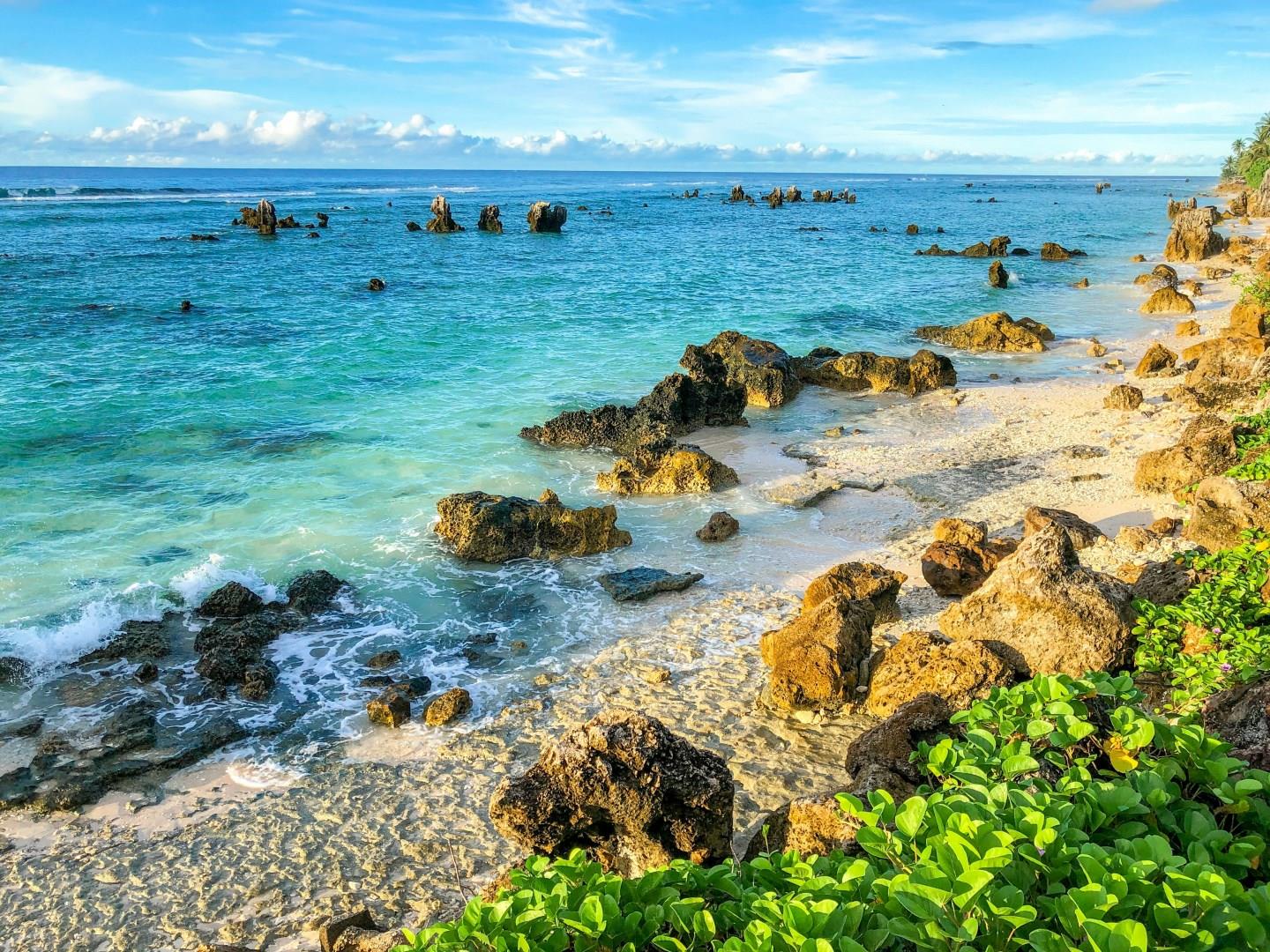
Nauru
Tucked away in the heart of the Pacific Ocean, Nauru is one of the world’s smallest and least visited countries being an island nation just 21 square kilometers in size, with a population under 10,000. But its compact size makes exploring simple and rewarding. Visitors can circle the entire island by car in under an hour, taking in stunning ocean views, remnants of World War II bunkers, and clusters of colorful homes that speak to Nauru's resilient spirit and layered past.
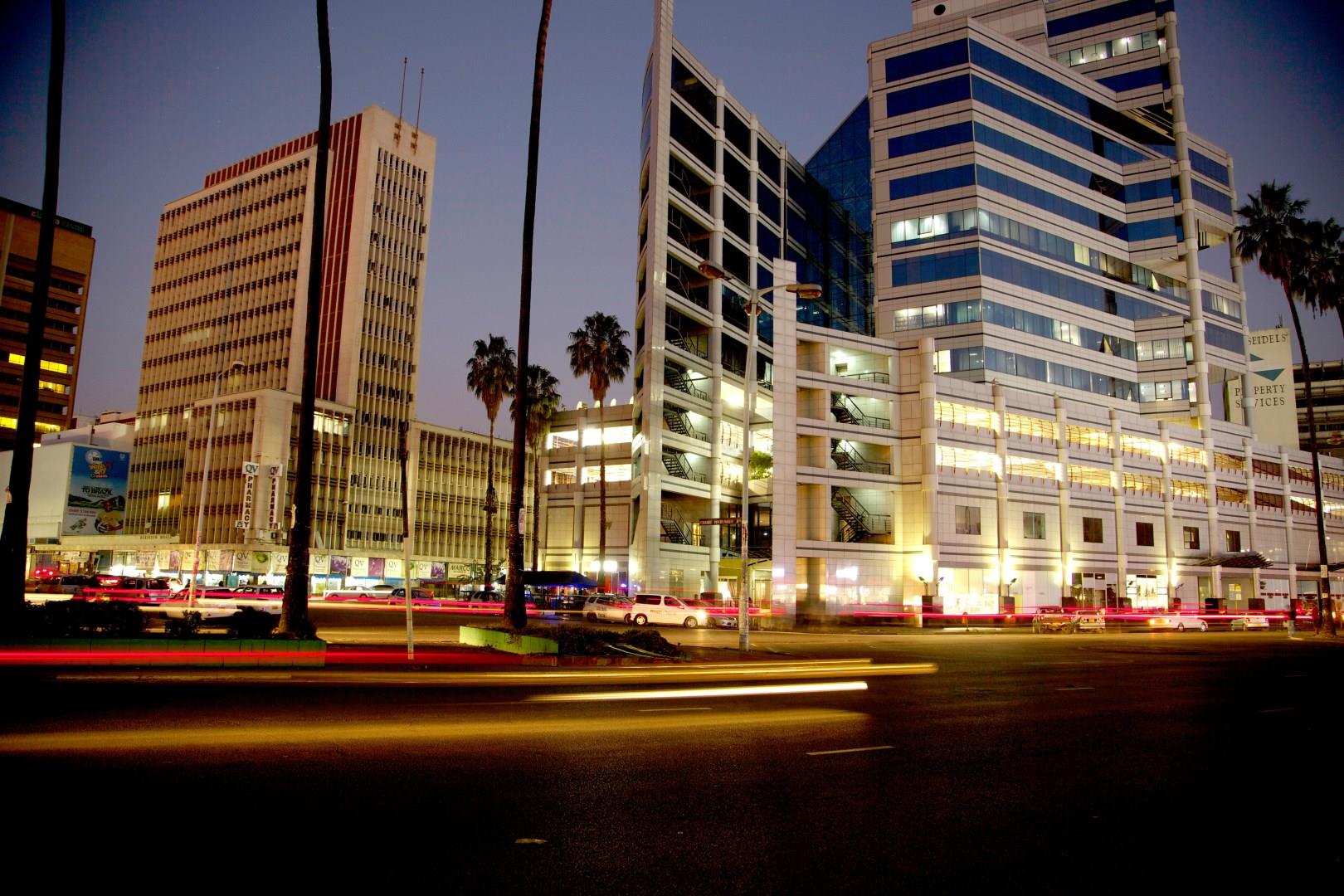
Harare
Harare, the vibrant capital of Zimbabwe, is a city that blends modern life with cultural depth. Set on a high plateau, it enjoys a pleasant climate year-round, with tree-lined avenues and blooming jacarandas that give it a distinctive character.
