

Cesky Krumlov
Český Krumlov, a picturesque city in the Czech Republic, is a treasure trove of medieval charm and architectural splendor. Nestled in the South Bohemian Region, this UNESCO World Heritage Site is renowned for its stunning Český Krumlov Castle, which towers over the city and offers panoramic views of the winding Vltava River and the old town's red-tiled rooftops.

Whitehorse
Whitehorse, the capital of Canada’s Yukon Territory, sits along the Yukon River and serves as the cultural, economic, and transportation heart of the North. Its history is closely tied to the Klondike Gold Rush of the late 1890s, when prospectors passed through the area on their way to Dawson City.
Miltenberg
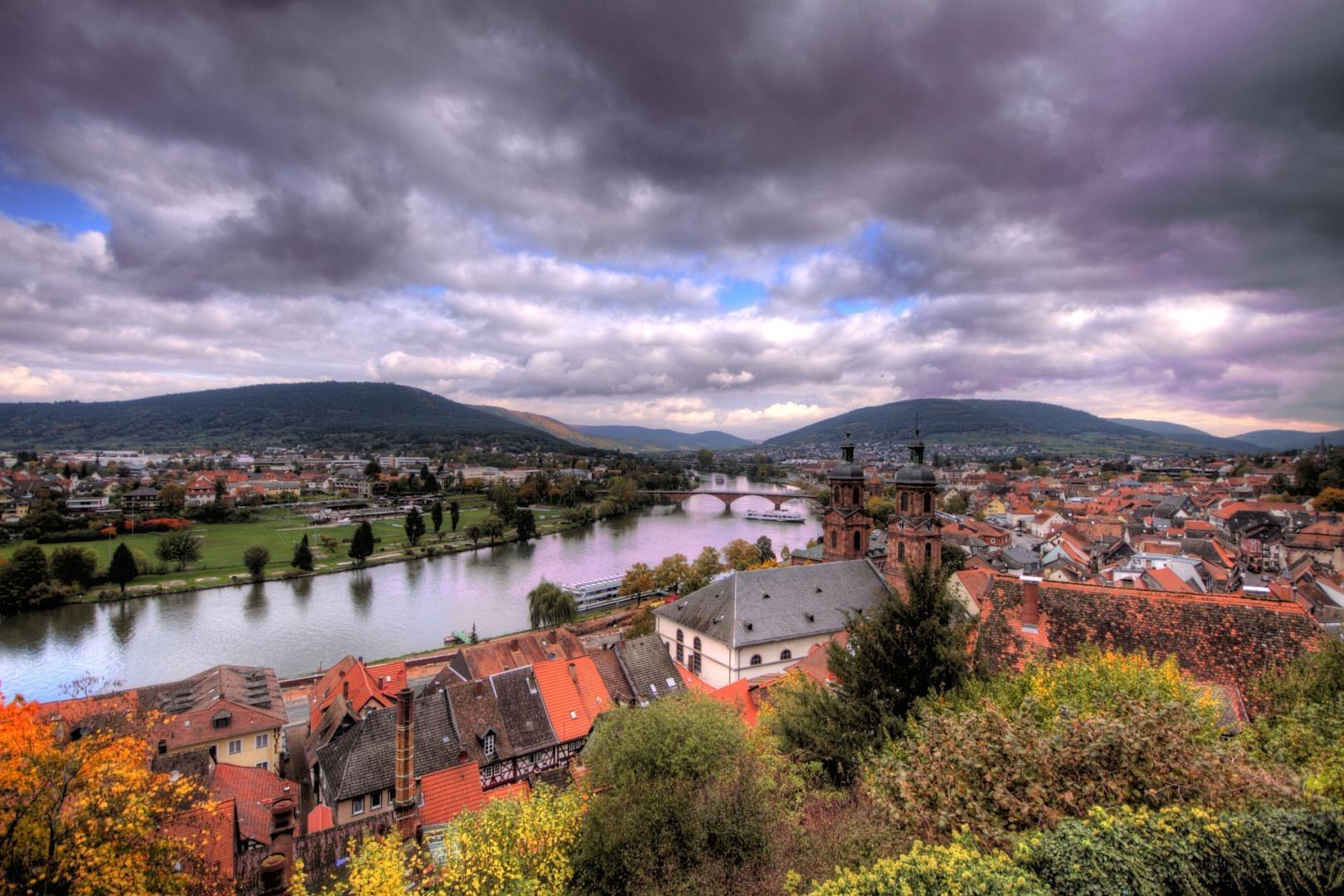
Set along a gentle curve of the Main River in Bavaria, the town of Miltenberg presents a streetscape that feels carefully preserved rather than rebuilt. Rows of half-timbered houses line a single main street, their wooden beams and painted facades forming one of the most photographed scenes in Germany. The old market square, known as the Schnatterloch, draws attention with its sandstone fountain and tightly packed historic buildings, creating a setting that has remained largely unchanged.
Switzerland
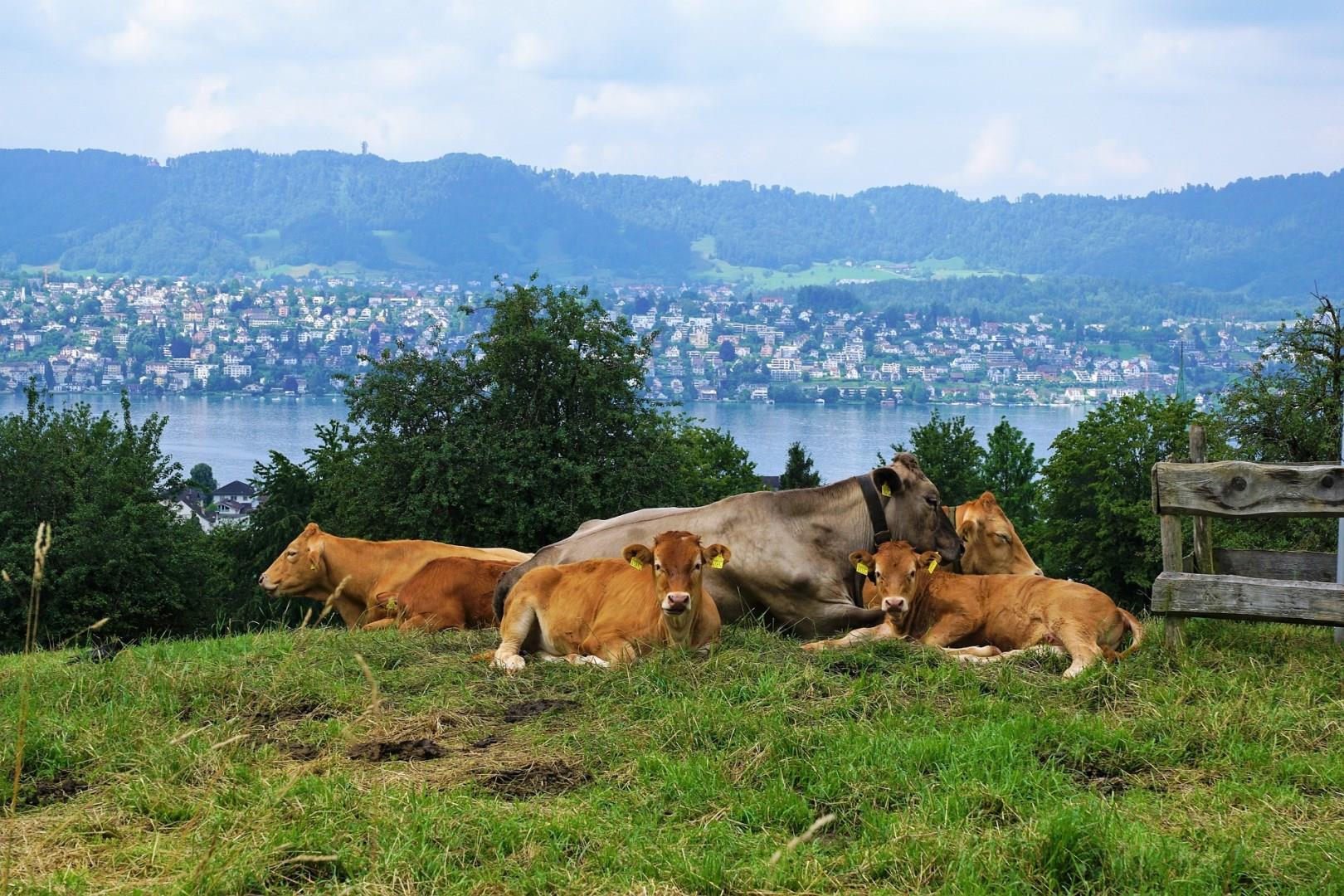
Switzerland's daily life appears to be full of contradictions: the old and the new, natural beauty and industrial production, neutrality and international frankness. These sharp contrasts go hand in hand, and this unity is the real reason that this small country in the heart of Europe has developed into such an important communication and trading partner in the world today. It is Switzerland's contrasts - its diversity which attracts both the businessman and the tourist alike.

Warsaw
Warsaw stands as one of Europe’s most resilient cities, having rebuilt itself almost entirely after World War II. The Old Town, meticulously reconstructed using paintings by Italian artist Bernardo Bellotto, feels centuries old but is, in fact, less than a hundred years in its current form. Behind the medieval facades lie stories of uprisings, resistance, and quiet defiance. Visitors walking through Castle Square can enter the Royal Castle, where Poland’s Constitution of May 3, 1791 was adopted.
