
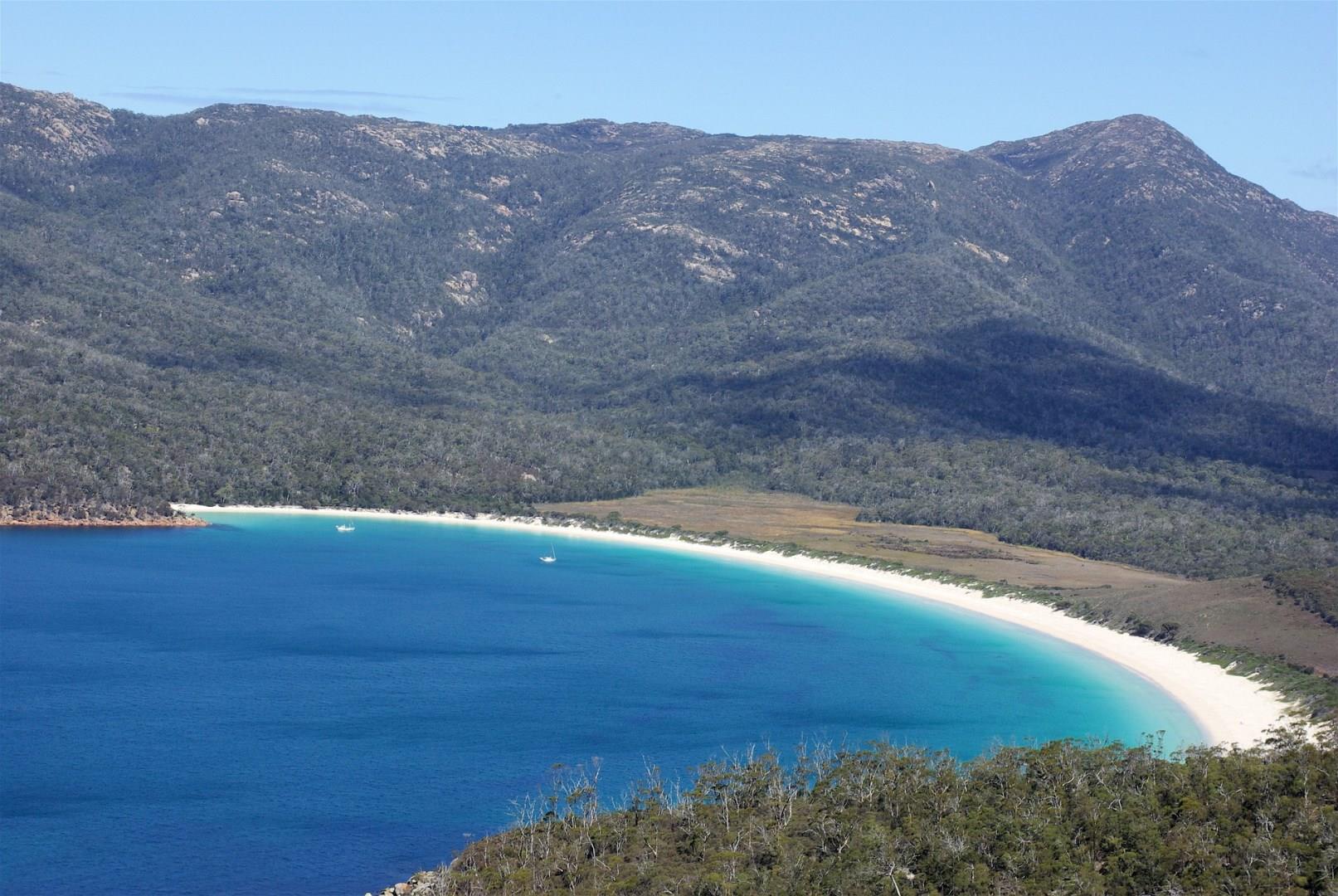
Wineglass Bay
Nestled within Freycinet National Park on Tasmania's stunning east coast, Wineglass Bay is a destination that calls out to nature lovers and adventure seekers alike.

Cancún
Cancún sits on the northeastern tip of Mexico’s Yucatán Peninsula, where the Caribbean Sea meets a narrow stretch of sand shaped by ancient Maya trade routes and modern development. While widely known as a resort destination, Cancún’s roots trace back to a quiet fishing area near important pre-Hispanic sites, with nearby Isla Mujeres and the mainland serving as part of a broader coastal network connected to inland Maya cities.
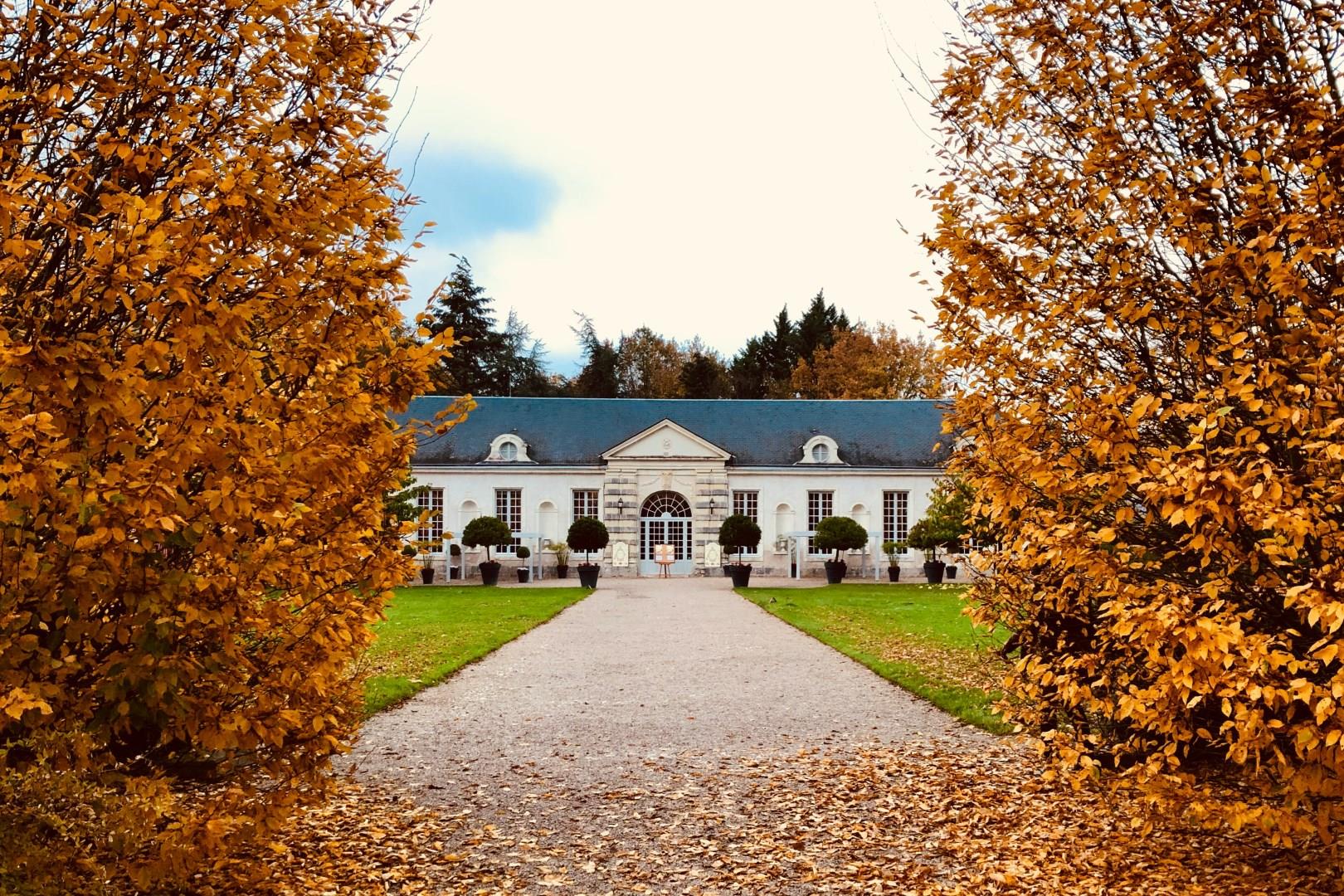
Loire Valley
The Loire Valley stretches along the gentle curves of France’s longest river, a place where riverside towns, historic estates and vineyards have shaped daily life for centuries. This long stretch of landscape was recognized as a UNESCO World Heritage Site because of its remarkable cultural landscape, which includes towns like Tours, Blois, Amboise and Saumur and a tapestry of castles standing beside the river banks.
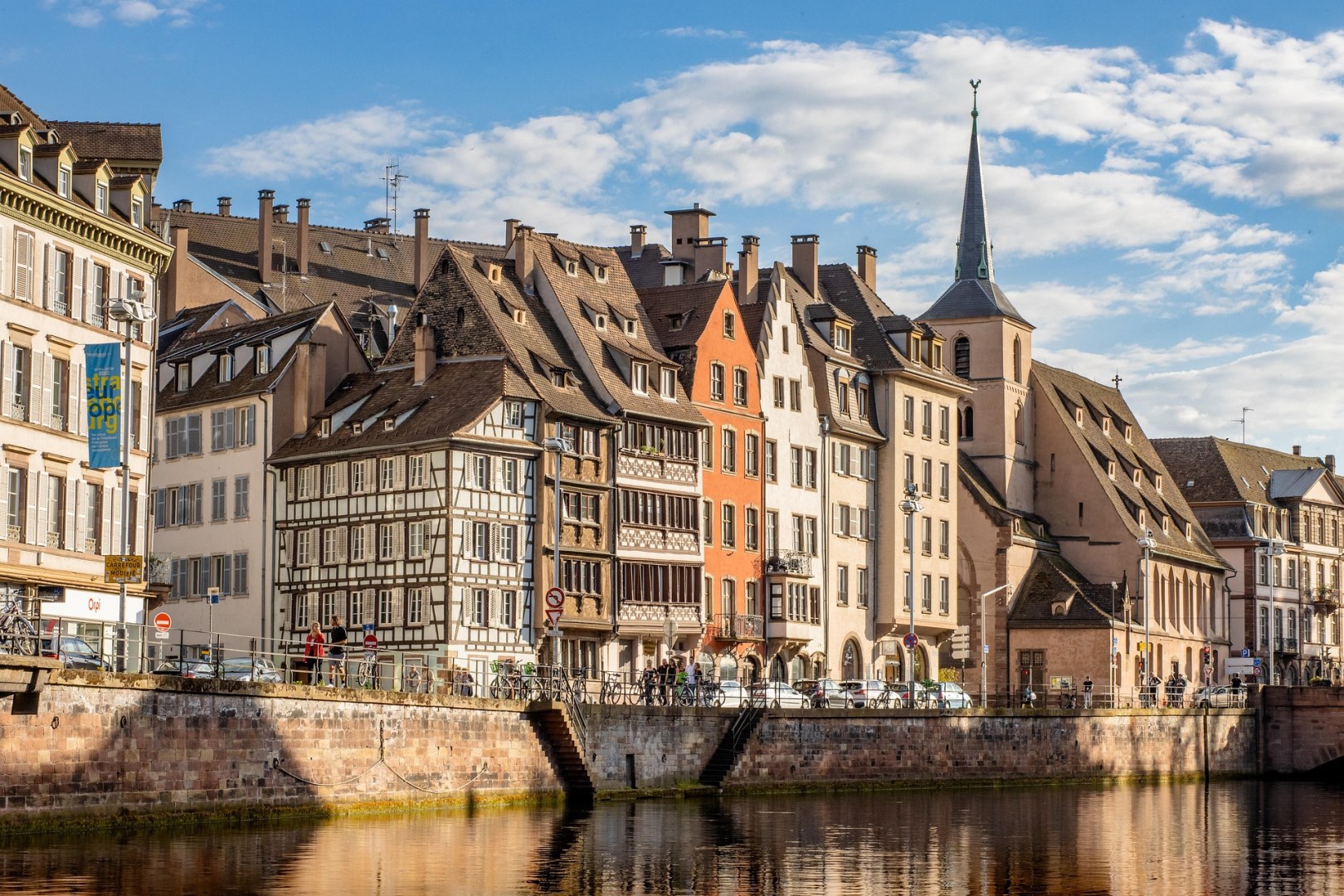
Strasbourg
This vibrant and picturesque city sits near the German border and is the 2nd most popular tourist city in France. Its historic city center is classified a World Heritage Site by UNESCO, and the Stasbourg Cathedral is one of the finest examples of Rayonnant Gothic architecture.
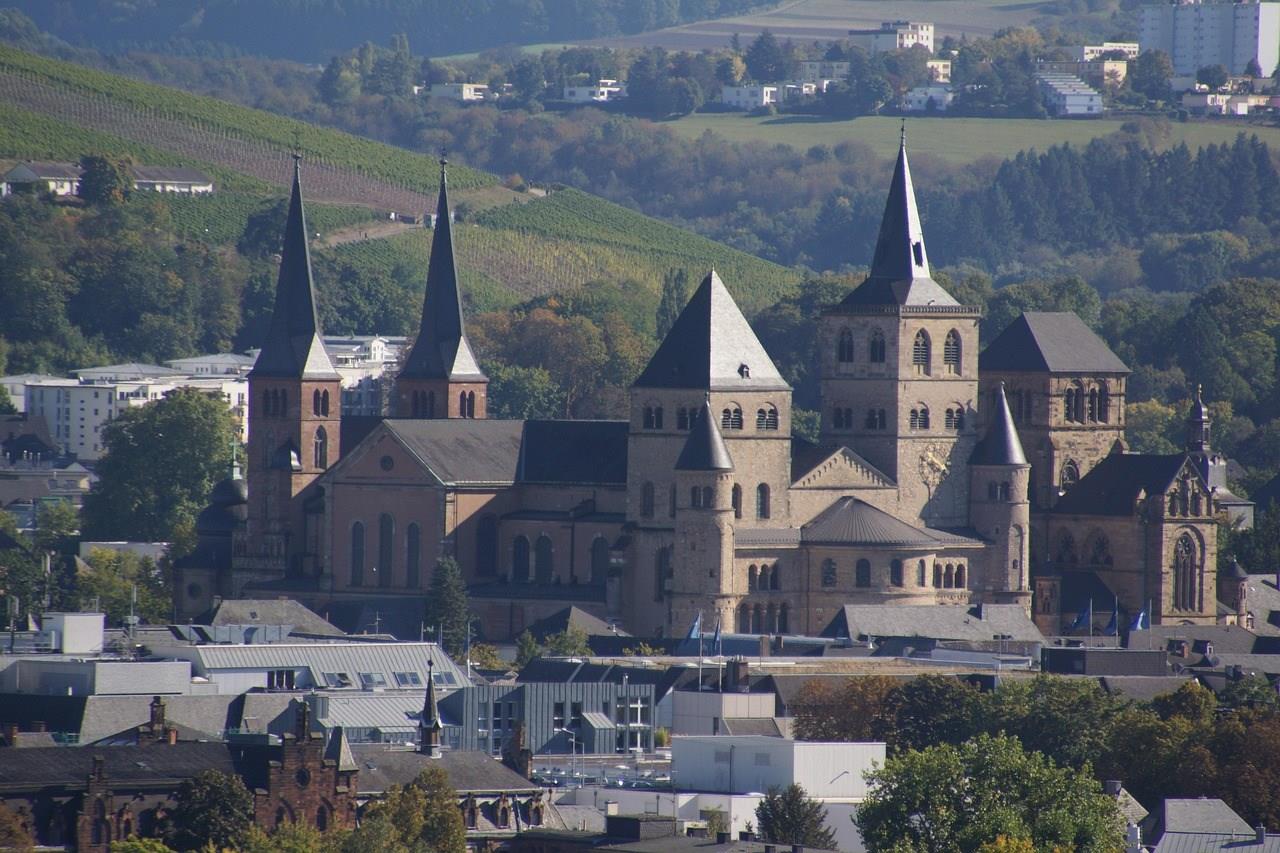
Trier
Trier, Germany’s oldest city, is a living museum nestled in the Moselle Valley, where Roman ruins rise beside medieval churches and bustling market squares. Founded by the Romans in 16 BCE, Trier was once known as “Roma Secunda,” the second Rome, and still boasts the largest collection of Roman architecture north of the Alps. The Trier Cathedral (Dom St. Peter), which is a UNESCO World Heritage Site, is the oldest church in Germany and houses a relic said to be the Holy Robe of Christ.
