

Warsaw
Warsaw stands as one of Europe’s most resilient cities, having rebuilt itself almost entirely after World War II. The Old Town, meticulously reconstructed using paintings by Italian artist Bernardo Bellotto, feels centuries old but is, in fact, less than a hundred years in its current form. Behind the medieval facades lie stories of uprisings, resistance, and quiet defiance. Visitors walking through Castle Square can enter the Royal Castle, where Poland’s Constitution of May 3, 1791 was adopted.

Freiburg
Freiburg was founded by the Dukes of Zähringen in 1120, and the layout of streets and squares of the rapidly prospering metropolis is still impressively reflected in today's cityscape.
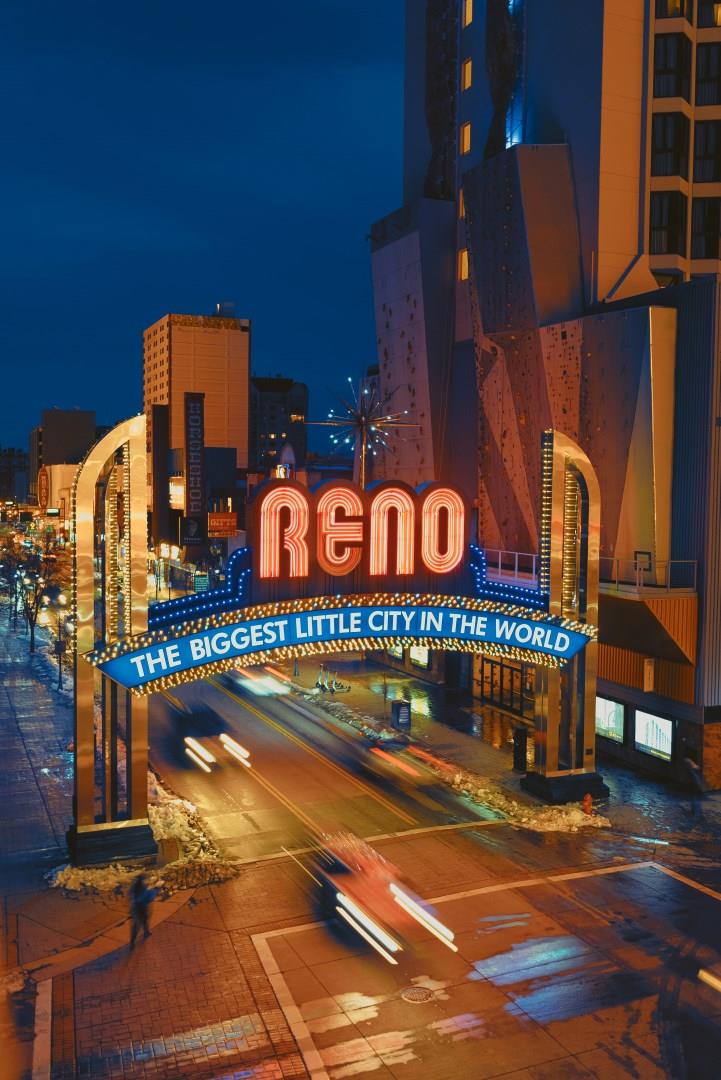
Reno
Reno, Nevada is known as “The Biggest Little City in the World” and has evolved well beyond its casino roots. Today, it’s a city where vintage neon signs share the skyline with vibrant murals and historic train depots sit beside riverside coffee shops. The Truckee River runs through downtown, anchoring the city with a scenic Riverwalk lined with public art, restaurants, and the sounds of rushing water.

Kinderdijk
Replete with windmills and old-world charm, the village of Kinderdijk lies east of Rotterdam on the Lek River and is a popular stop for European river cruises. Home to the largest concentration of old windmills in the Netherlands, Kinderdijk was designated a UNESCO World Heritage Site in 1997.

Trieste
Trieste, located in the northeastern corner of Italy, is a city that beautifully blends Italian, Slavic, and Central European influences, making it one of the most culturally rich destinations in the country. Situated along the Adriatic Sea, the city boasts a stunning waterfront, with the iconic Piazza Unità d'Italia, one of the largest European squares facing the sea, at its heart.
