

Uluru National Park
Uluru-Kata Tjuta National Park, national park in the Northern Territory, Australia, in the arid center of the continent, southwest of Alice Springs. The area was established as Ayers Rock/Mount Olga National Park in 1958 and renamed Uluru National Park in 1977.
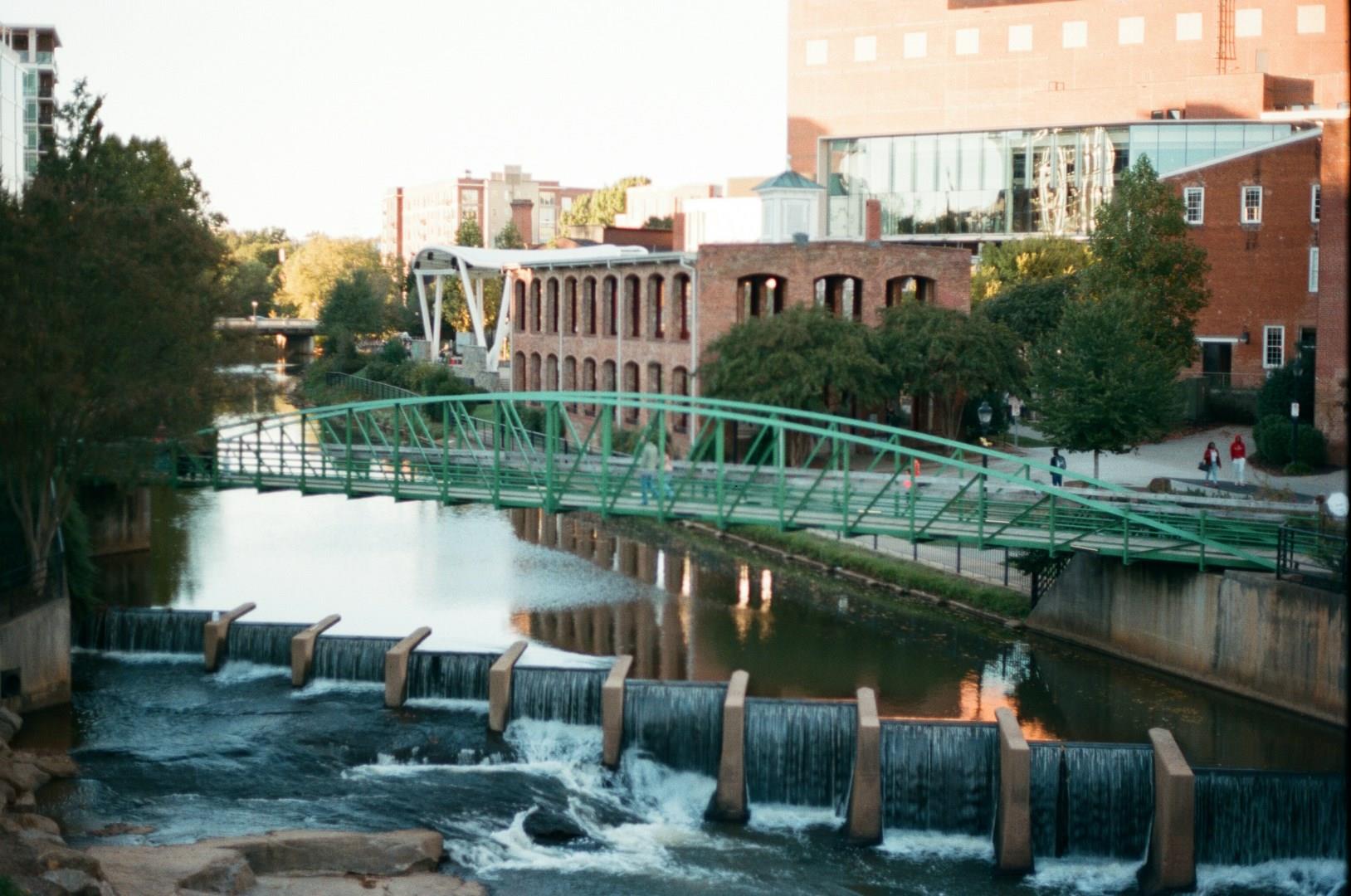
Greenville
Greenville, South Carolina sits at the foothills of the Blue Ridge Mountains and has grown from a former textile center into one of the Southeast’s most appealing small cities.

Killarney
Killarney - Ireland's most vibrant town. Located in the Southwestern region of Ireland, in County Kerry, Killarney is a renown stop on the famed "Ring of Kerry" journey.

Naples
Naples, Florida, embodies the essence of coastal charm and luxury on the Gulf of Mexico. Renowned for its stunning beaches and pristine waters, Naples offers visitors a quintessential Florida experience. The city’s Naples Pier is a local landmark and a must-visit spot for panoramic views, fishing, and beautiful sunsets. Whether you’re strolling along the pier or relaxing on the sandy shores, the scenic beauty of Naples is sure to captivate.

Rhode Island
Rhode Island may be the smallest state in the U.S., but it offers an outsized variety of experiences, from colonial history to coastline escapes. Founded in 1636 by Roger Williams as a haven for religious freedom, the state still reflects its independent spirit. In Providence, travelers can visit the John Brown House Museum to explore the city’s role in early American commerce, or walk Benefit Street, lined with preserved 18th- and 19th-century homes.
