
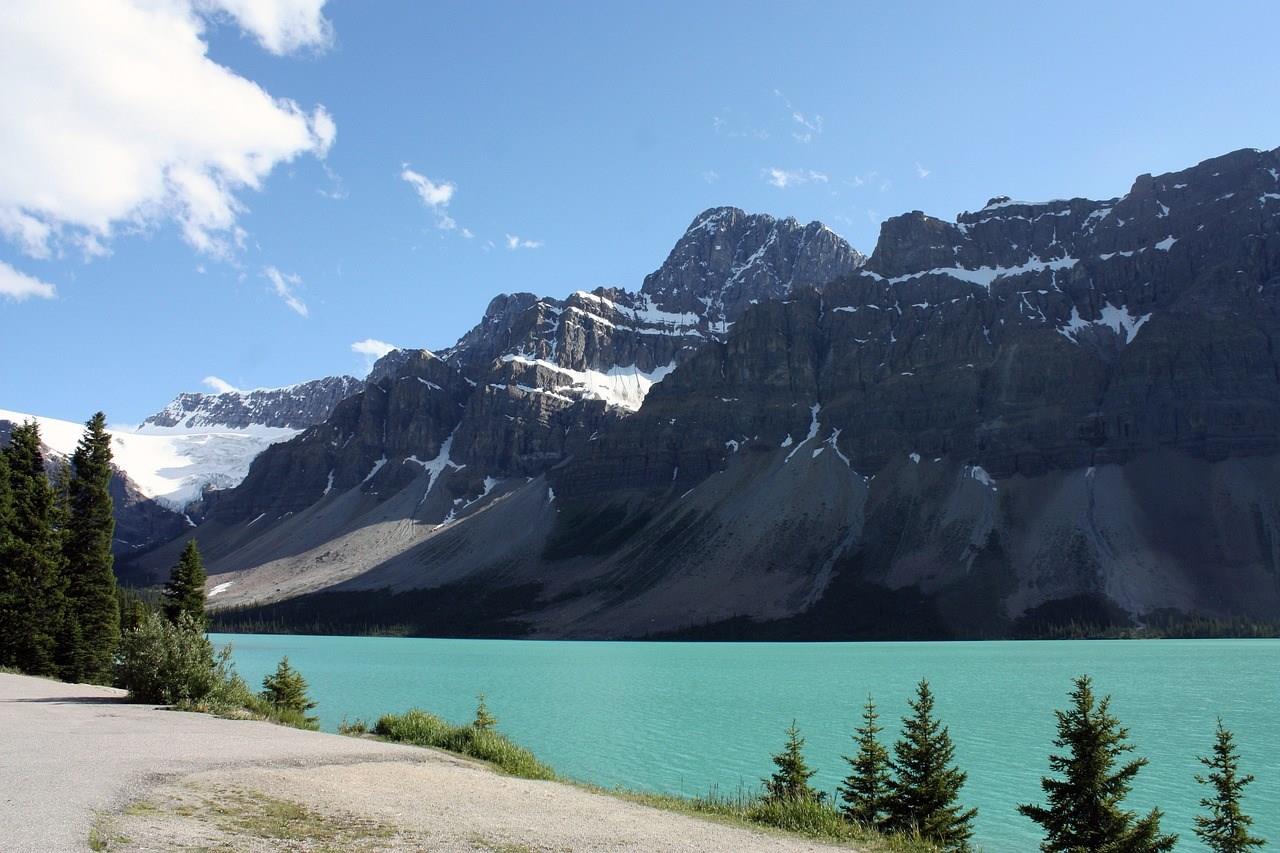
Jasper National Park
Jasper National Park, located in the heart of the Canadian Rockies in Alberta, is a breathtaking destination known for its stunning natural beauty and diverse wildlife. Spanning over 11,000 square kilometers, it is the largest national park in the Canadian Rockies and offers a wide range of outdoor activities such as hiking, camping, and wildlife viewing.
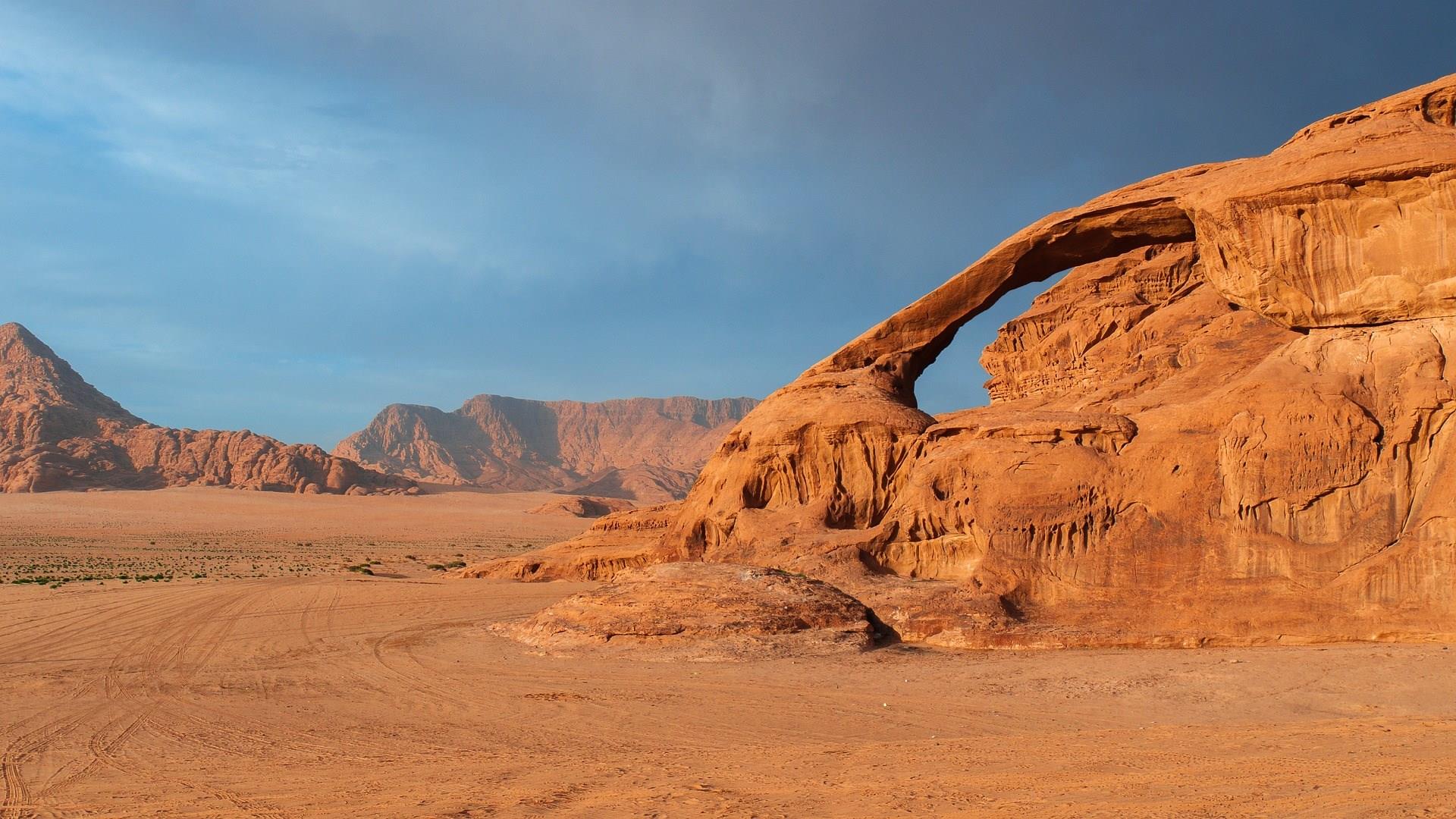
Wadi Rum
Wadi Rum, often called the “Valley of the Moon,” is a desert landscape in southern Jordan renowned for its dramatic sandstone mountains, sweeping red sand dunes, and ancient history carved into the rock. Its vast, otherworldly scenery has made it both a UNESCO World Heritage Site and a backdrop for films set on distant planets.
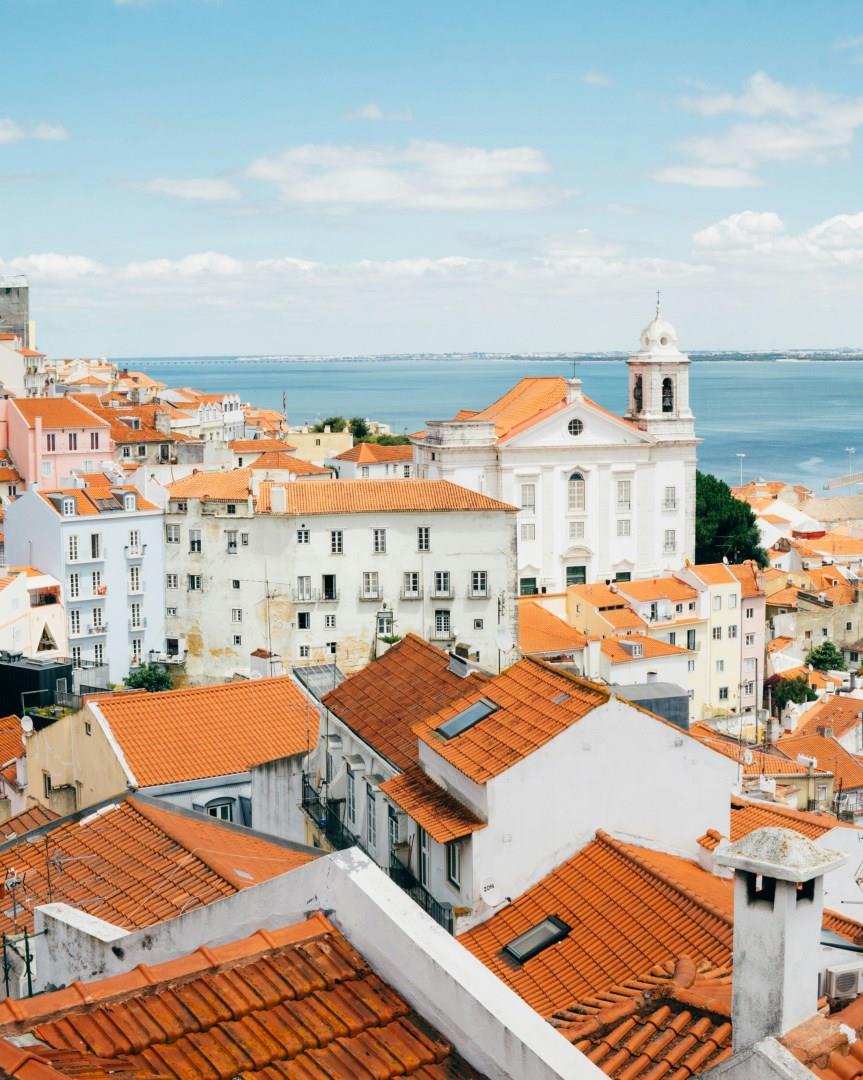
Portugal
Portugal offers a layered experience shaped by maritime history, deep-rooted traditions, and a coastline that stretches for nearly 1,800 kilometers. In Lisbon, the streets of Alfama wind uphill toward São Jorge Castle, where views of red-tiled rooftops and the Tagus River reveal how the city was rebuilt after the 1755 earthquake. Trams still clatter through narrow streets, and fado music, often performed in candlelit taverns, tells stories of longing and the sea.
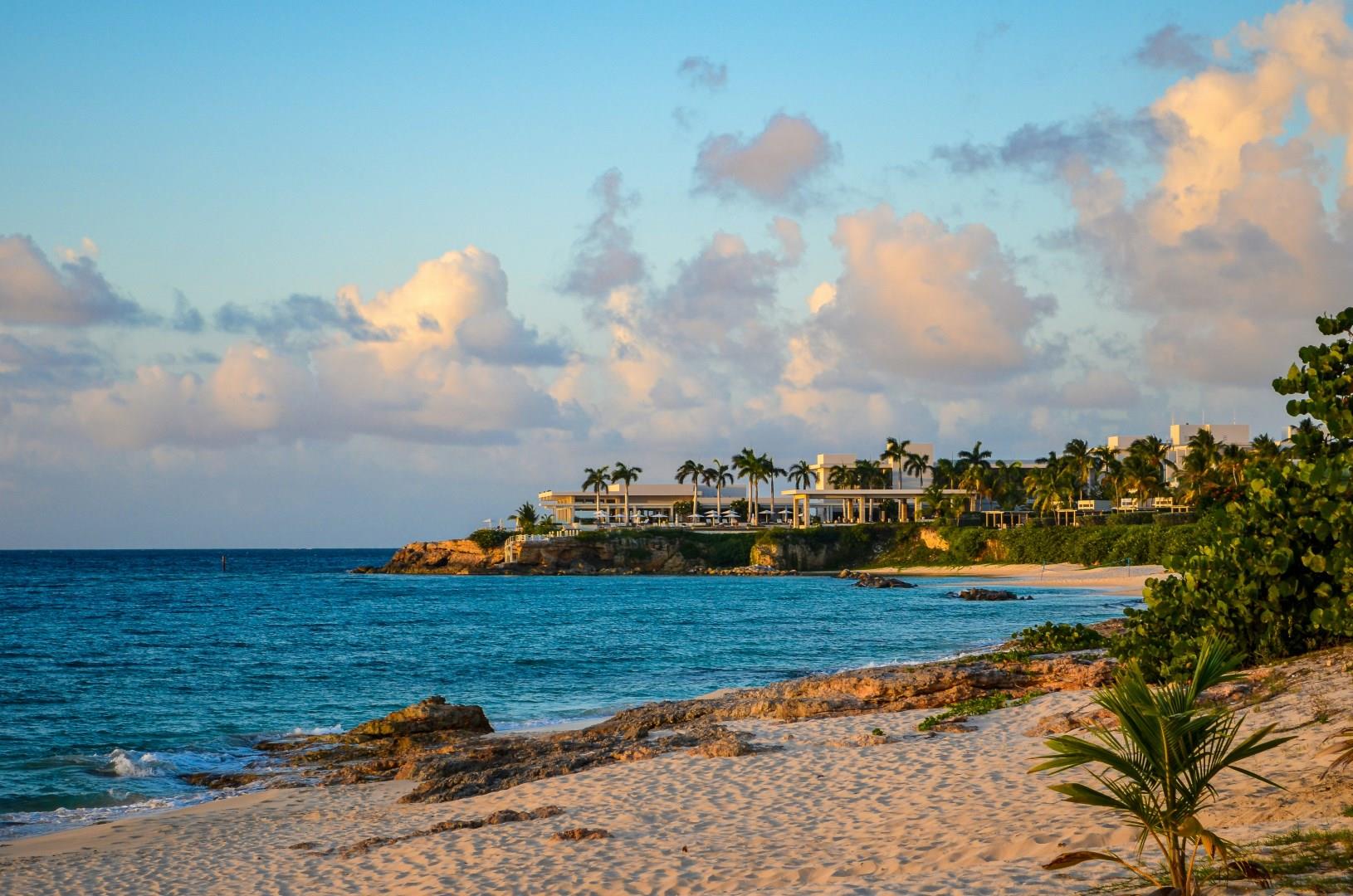
Barnes Bay
Barnes Bay, on Anguilla’s western coast, is one of the island’s most striking beaches, known for its golden sand and dramatic backdrop of rugged cliffs. The bay is less frequented than some of Anguilla’s more famous shores, giving it a serene, secluded atmosphere that makes it a favorite for those seeking a quieter escape.
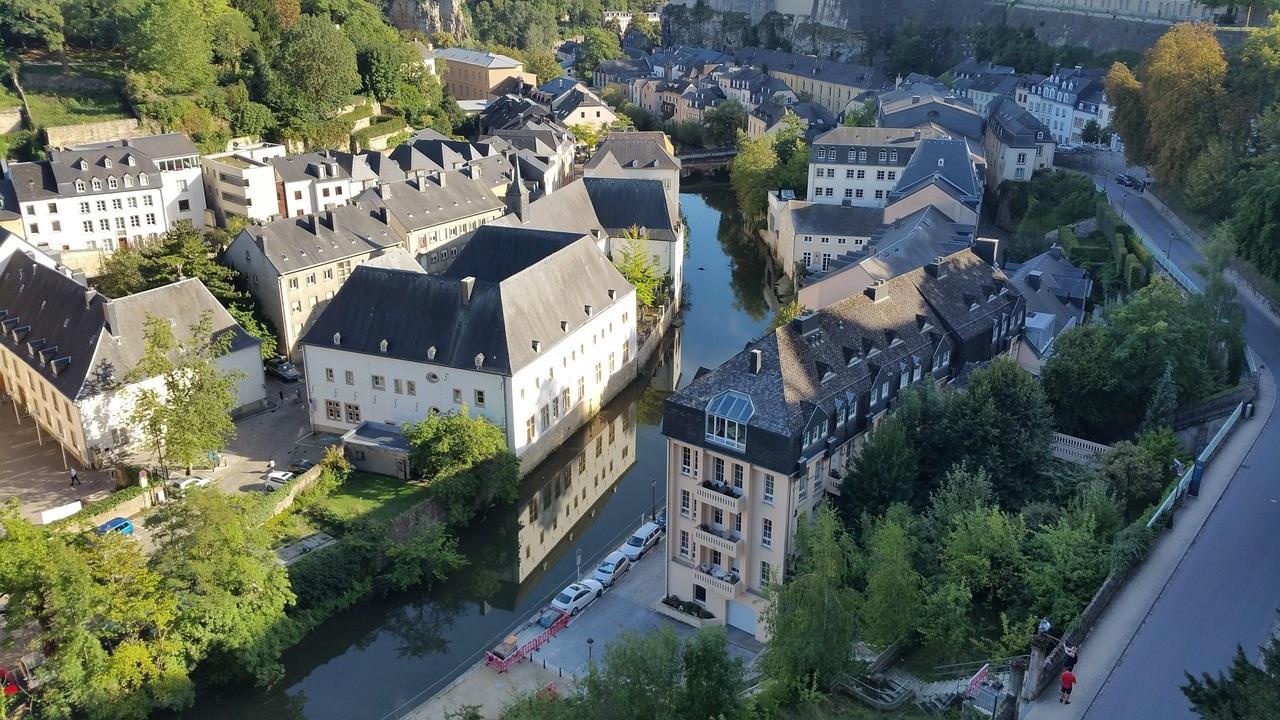
Luxembourg
Luxembourg, a small yet influential country in the heart of Europe, offers visitors a rich blend of historic sites and contemporary culture. The capital city, Luxembourg City, is famous for its dramatic cliffs and ancient fortifications that have earned it a UNESCO World Heritage status. Walking through the old quarters, visitors can explore the casemates that reveal layers of the city’s military past.
