

Tibet
Tibet, often referred to as the "Roof of the World," is a land of breathtaking beauty, spiritual depth, and rich cultural heritage. Set against the backdrop of the towering Himalayas, Tibet captivates travelers with its dramatic landscapes, from vast high-altitude deserts to verdant valleys and serene lakes.
Paracas
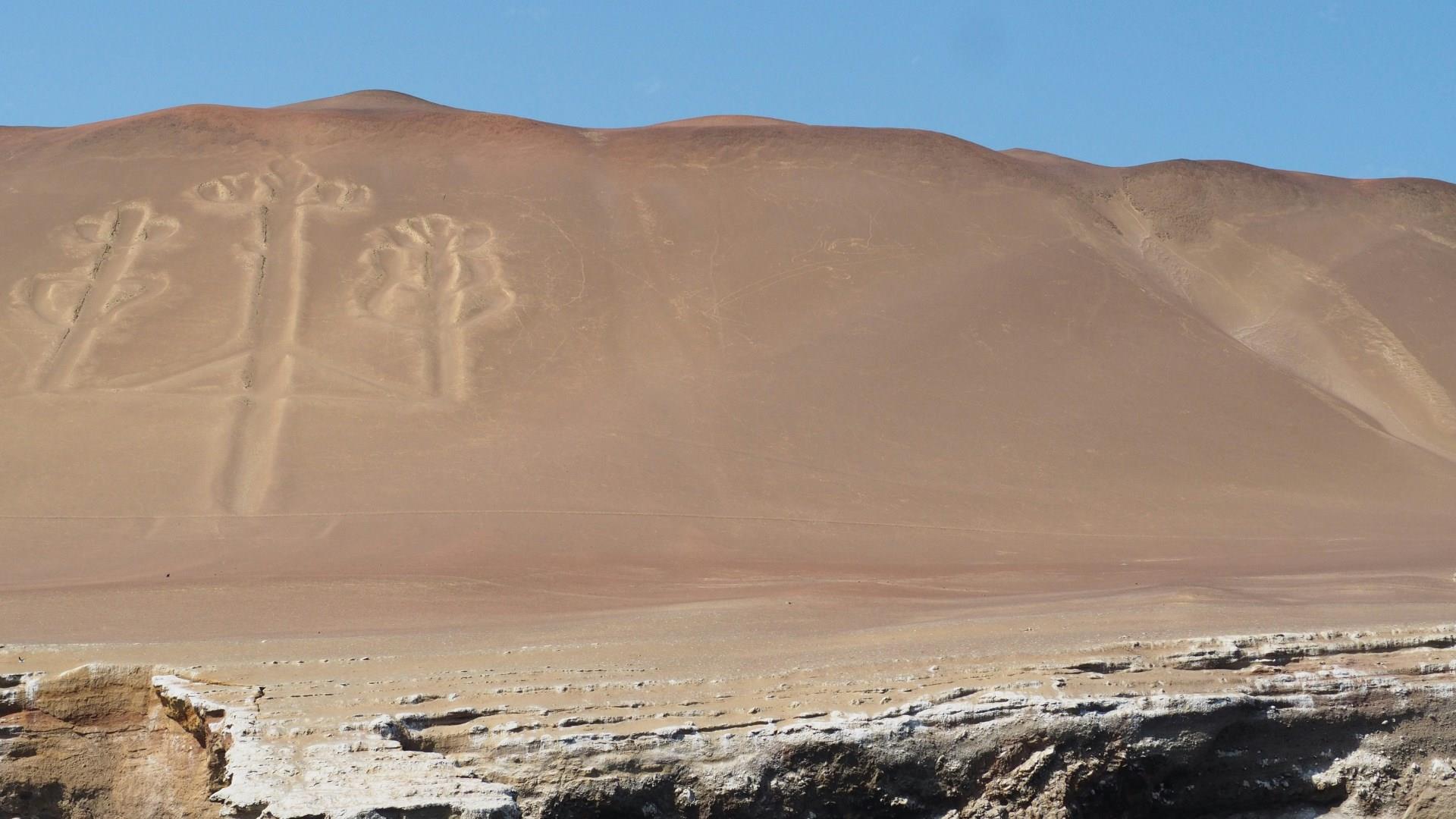
Paracas, a small coastal town in southern Peru, offers a mix of desert landscapes, marine wildlife, and ancient history. Just three hours from Lima, it’s the gateway to the Paracas National Reserve, one of the country’s most important protected areas. This reserve includes both land and sea, making it home to dramatic cliffs, wind-carved rock formations, and waters where dolphins, sea lions, and Humboldt penguins are frequently seen.
Trier
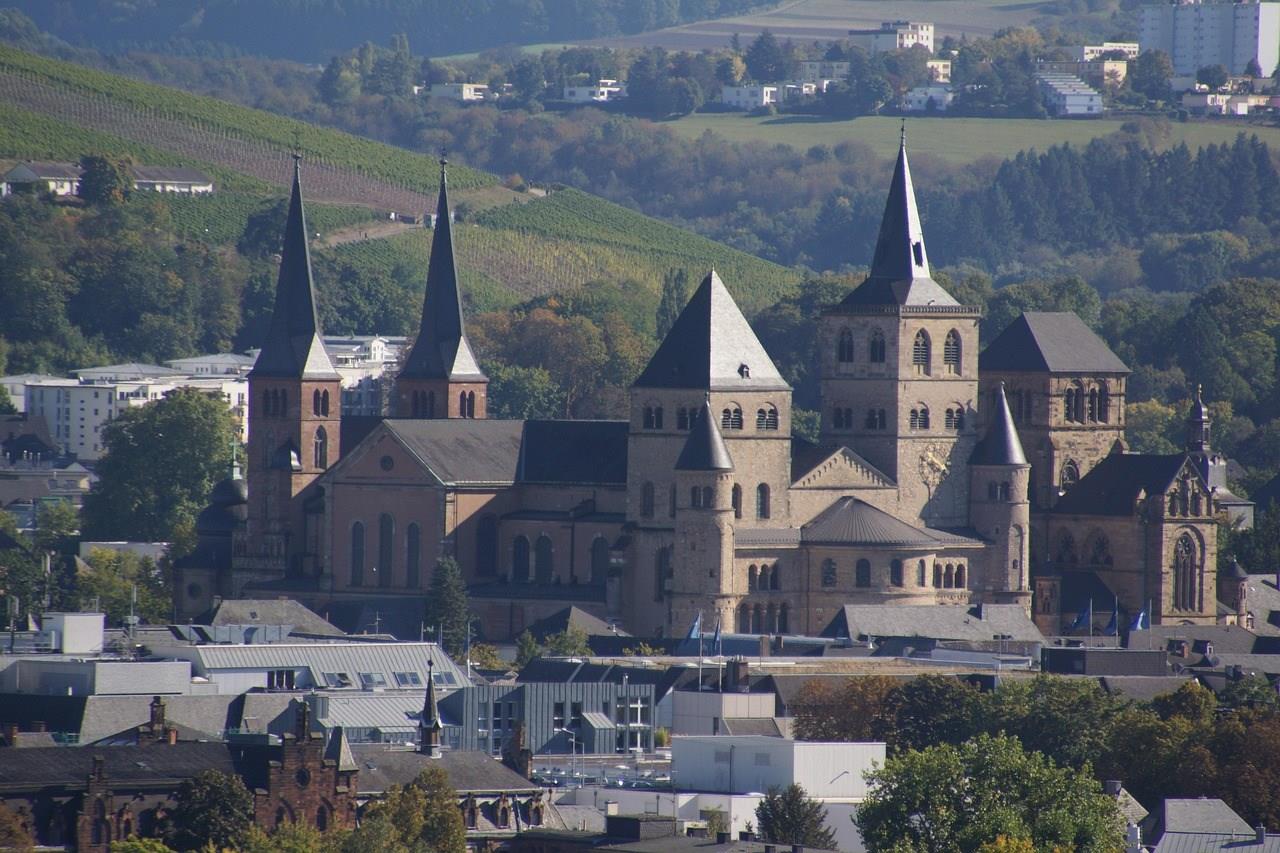
Trier, Germany’s oldest city, is a living museum nestled in the Moselle Valley, where Roman ruins rise beside medieval churches and bustling market squares. Founded by the Romans in 16 BCE, Trier was once known as “Roma Secunda,” the second Rome, and still boasts the largest collection of Roman architecture north of the Alps. The Trier Cathedral (Dom St. Peter), which is a UNESCO World Heritage Site, is the oldest church in Germany and houses a relic said to be the Holy Robe of Christ.

Jaisalmer
Jaisalmer, known as the "Golden City" of India, rises from the sands of the Thar Desert with a breathtaking display of medieval architecture and vibrant culture. Dominated by its imposing fort, the Jaisalmer Fort, a UNESCO World Heritage Site, this city is a striking example of Rajput architecture.
Nizwa
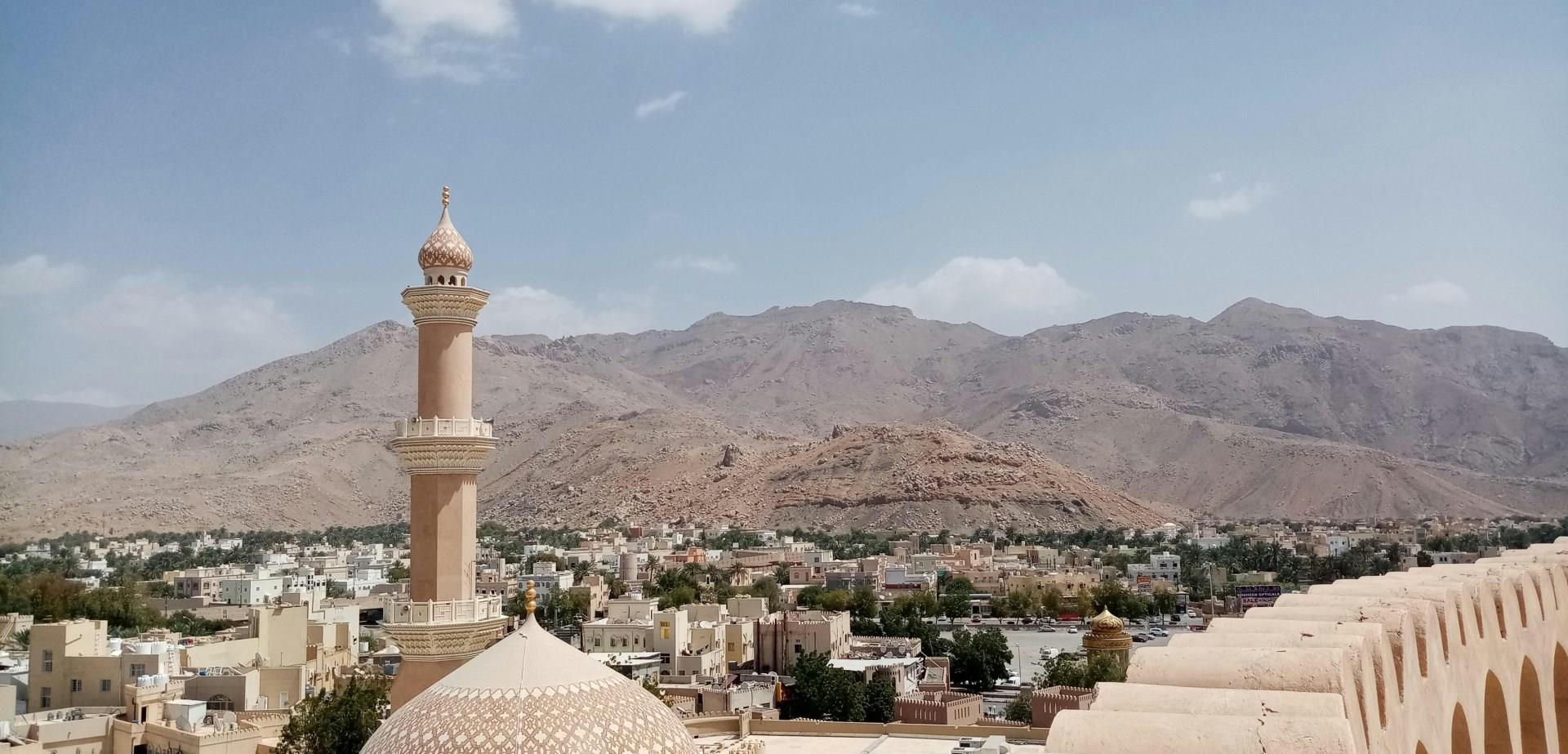
In the heart of Oman lies Nizwa, a city once considered the country’s capital and a hub of learning and trade. Its iconic round fort, built in the 17th century, remains one of Oman’s most visited landmarks.
